US Approves Visa for Iranian Delegation Amid Ongoing Conflict


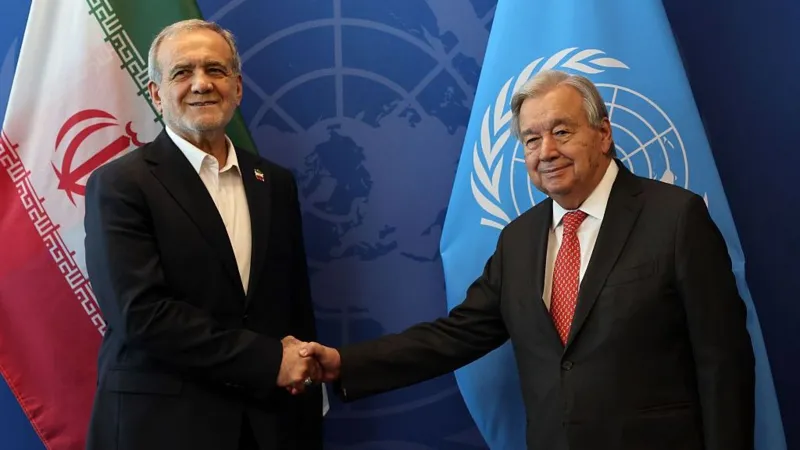
The United States has granted visas to a contingent of Iranian officials, allowing them to participate in the upcoming United Nations General Assembly (UNGA) in New York City. The decision comes amidst a war between the US and Iran that has persisted for over six months.
The Iranian delegation is set to include Iranian President Masoud Pezeshkian and Foreign Minister Abbas Araghchi, as confirmed by a spokesman for the US State Department. The officials will face a number of limitations during their visit, including strict travel restrictions and prohibitions on luxury goods purchases.
A spokesperson from the State Department stated, "Consistent with our host country obligations, the core delegation from the Iranian regime will be able to attend UN General Assembly High Level Week." The spokesman emphasised that attendees would not have the same access as previous years, highlighting that the delegation this year is smaller than that from Iran in past assemblies.
The delegation will not be allowed to purchase certain luxury items while in the United States. Last year, Iranian diplomats faced similar restrictions, including a ban on shopping at wholesale retailers like Costco, which aims to ensure that Iranian officials do not engage in what the US government termed as "shopping sprees" while their country is experiencing significant economic hardship.
Tommy Pigott, a State Department spokesman, remarked on the importance of these measures, stating that the US would not allow Iranian government elites to exploit the UN event for personal gain, particularly while many Iranians are grappling with issues such as water and electricity shortages, inflation, and what he termed "brutal repression."
Despite the complexities revolving around diplomacies, the US has made it clear that it does not seek to escalate tensions during UNGA. The assembly will convene soon with the General Debate, where leaders such as US President Donald Trump, UK Prime Minister Andy Burnham, and French President Emmanuel Macron are expected to speak.
The backdrop to this decision reflects ongoing geopolitical tensions. The war, which began on 28 February, has contributed to rising global energy prices and has not shown signs of resolution. The US has also denied entry to Palestinian President Mahmoud Abbas and other Palestinian leaders seeking to attend the assembly, further complicating the situation in the region.
In response to the visa denials for Palestinian officials, the Ministry of Foreign Affairs and Expatriates of the Palestinian Authority expressed concerns that such measures weaken the peace process, stating that punitive actions do not advance peace nor combat violence.
As the UNGA unfolds, discussions will occur against the backdrop of multiple global crises, including armed conflicts in Ukraine and heightened tensions within the Middle East. The upcoming debates are set to highlight these pressing issues as nations seek avenues for resolution.
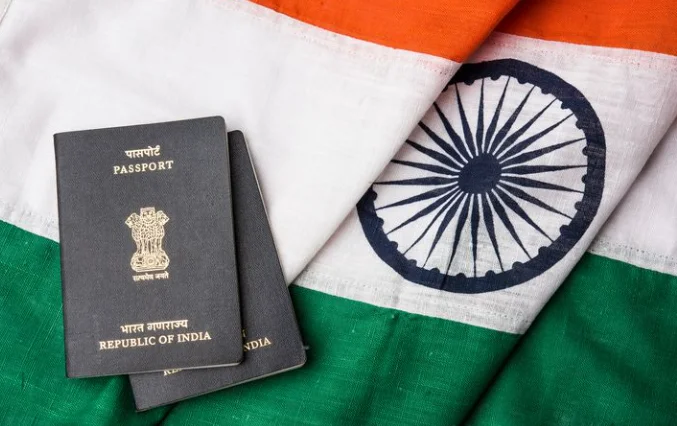
India Revises Passport Rules for Minors Under 15 Years Old
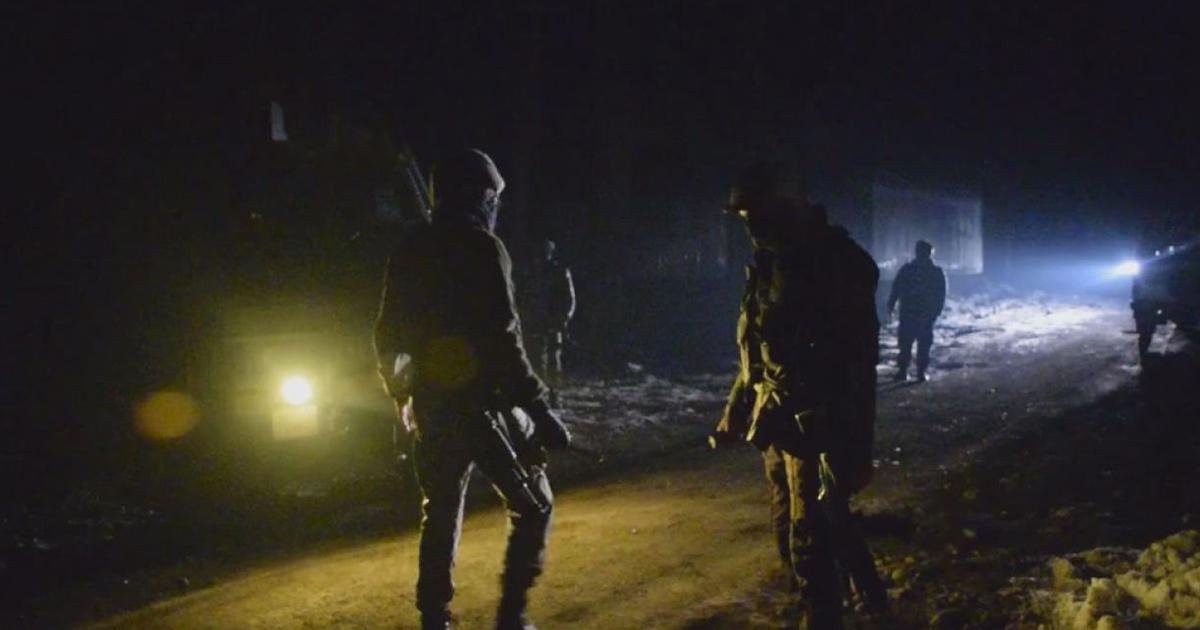
Two Militants Killed in Udhampur Gunfight During Anti-Terror Operation
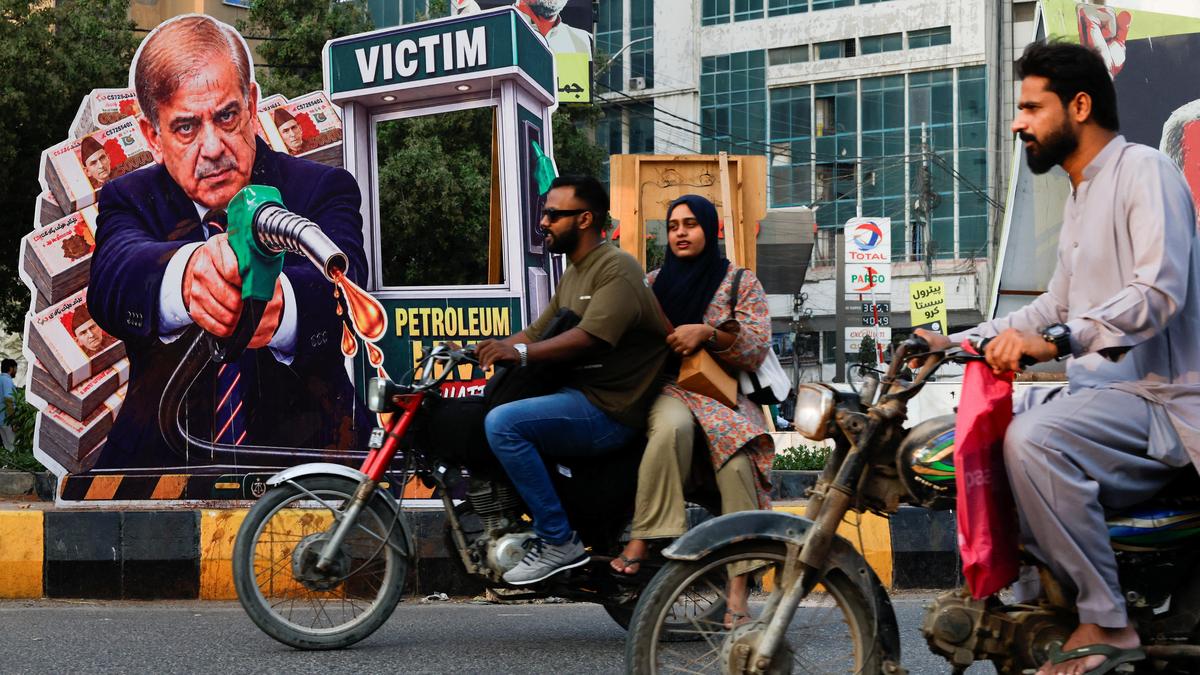
Pakistan Implements Austerity Measures Amid Rising Fuel Prices
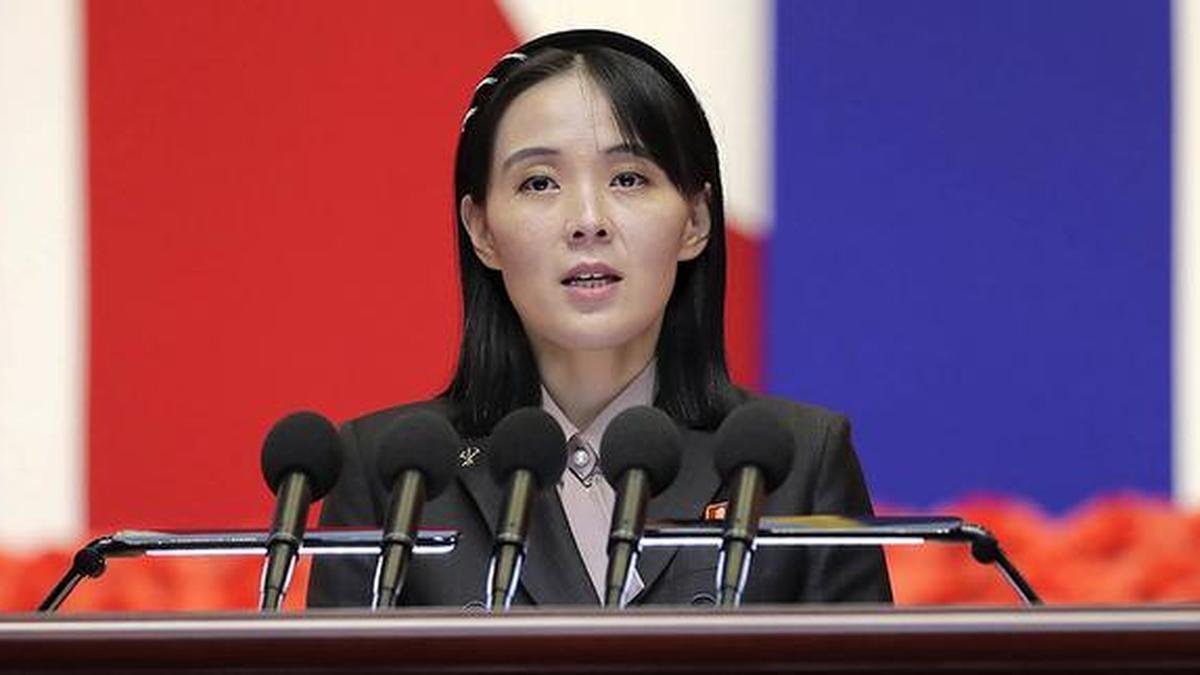
North Korea Threatens Stronger Response to US-Led Military Drills