US Political Changes Raise Questions About Iran Conflict Resolution


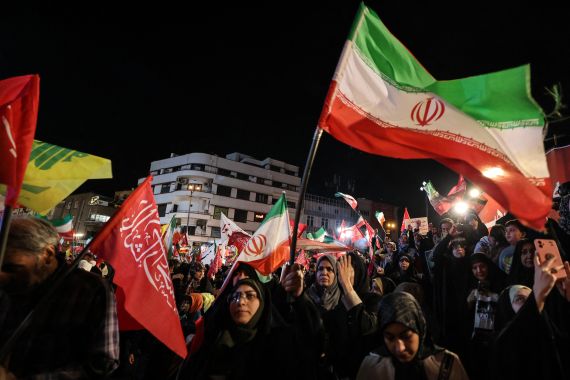
Recent political shifts in the United States, following the midterm elections, have sparked discussions about the future of the conflict involving Iran. Long-standing tensions between the US, Israel, and Iran have been exacerbated by the ongoing war in the region, leading analysts to speculate on potential repercussions for diplomatic approaches moving forward.
US leaders, including former President Donald Trump, have been at the centre of these discussions. Following significant Republican losses in the midterm elections, expectations are shaping around a possible change in US military strategy toward Iran. With a Democrat-controlled Congress, Trump's options for military action could be curtailed, prompting a reconsideration of diplomatic engagements.
Analysts have noted that increased pressures from the political landscape in the US, especially with the implications of a weaker presidency, might accelerate negotiations with Tehran. A leading expert commented, "A weakened President Trump has a greater incentive to pursue diplomacy, which could diminish the likelihood of a full-scale military engagement."
Iran’s leadership has responded to the constant shifts in US foreign policy with stern warnings against further military interventions. Key officials have highlighted the potential for serious consequences if the US were to escalate its military presence in the region. Statements from Iran’s government emphasise their resolve in facing external threats while underlining the necessity of maintaining sovereignty and security.
In the wake of these changes, oil markets have reacted, with prices dropping significantly. Brent crude fell more than 8 percent, indicating a decline in fears over escalating military operations, which typically impact global oil supplies. This downturn in oil prices reflects increased optimism around possible diplomatic resolutions.
Meanwhile, the response from Israel remains cautious. Concerns persist that Iran poses a nuclear threat, leading to a careful evaluation of military options and alliances. Both US and Israeli officials are intensely monitoring developments, reflecting the interconnectedness of regional security dynamics and domestic political changes.
The prevailing sentiment among analysts is one of uncertainty; while diplomatic engagements may offer respite, the complexities of the Iran situation continue to frustrate efforts for a long-term resolution. Significant regional leaders, including Saudi Arabia, have also sought peaceful avenues to address broader conflicts, emphasising a desire for stability in maritime navigation and energy supplies throughout the Middle East.
As these developments unfold, the future of the US-Iran relationship—and its implications for the wider region—remains unpredictable. Focused attention on political changes in the US will likely shape the course of international relations for the foreseeable future.

Delhi High Court Considers Allowing Calculators in Class XII Exams

Karnataka Increases Bus Fares for State-Run Services
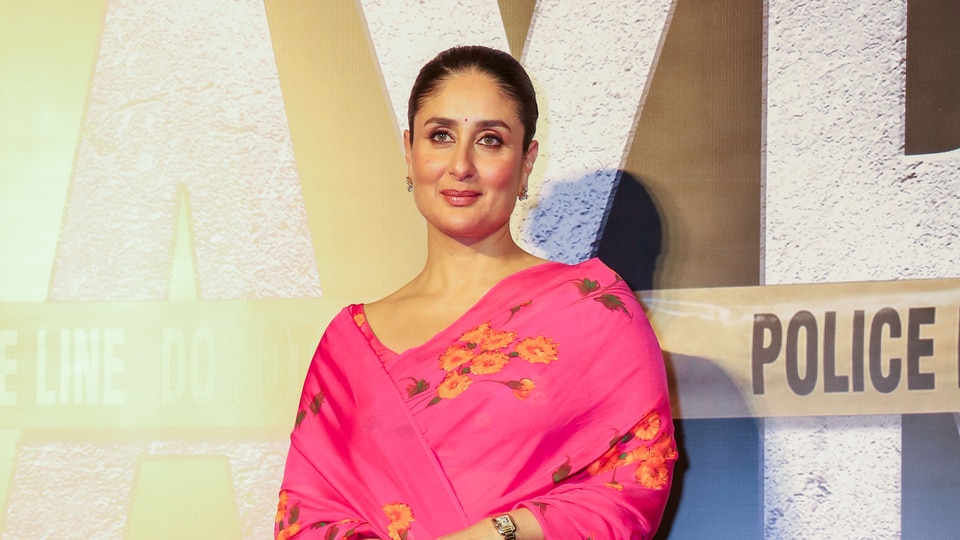
Kareena Kapoor Calls Herself the 'Poster Girl' of Nepotism Talent
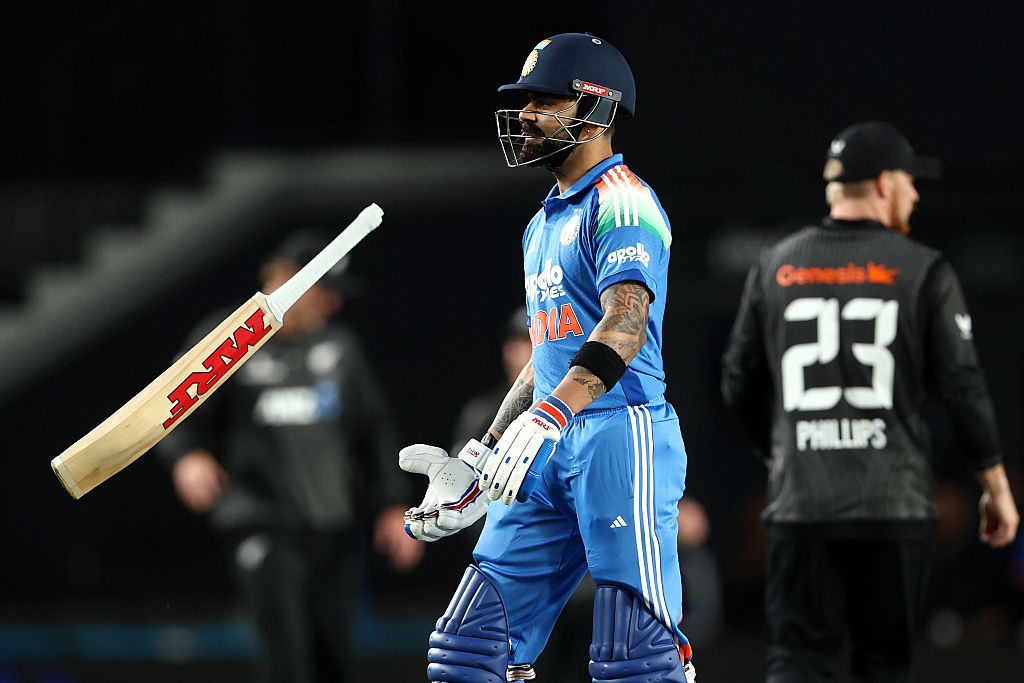
Virat Kohli Pursues Records in New Zealand ODI Series