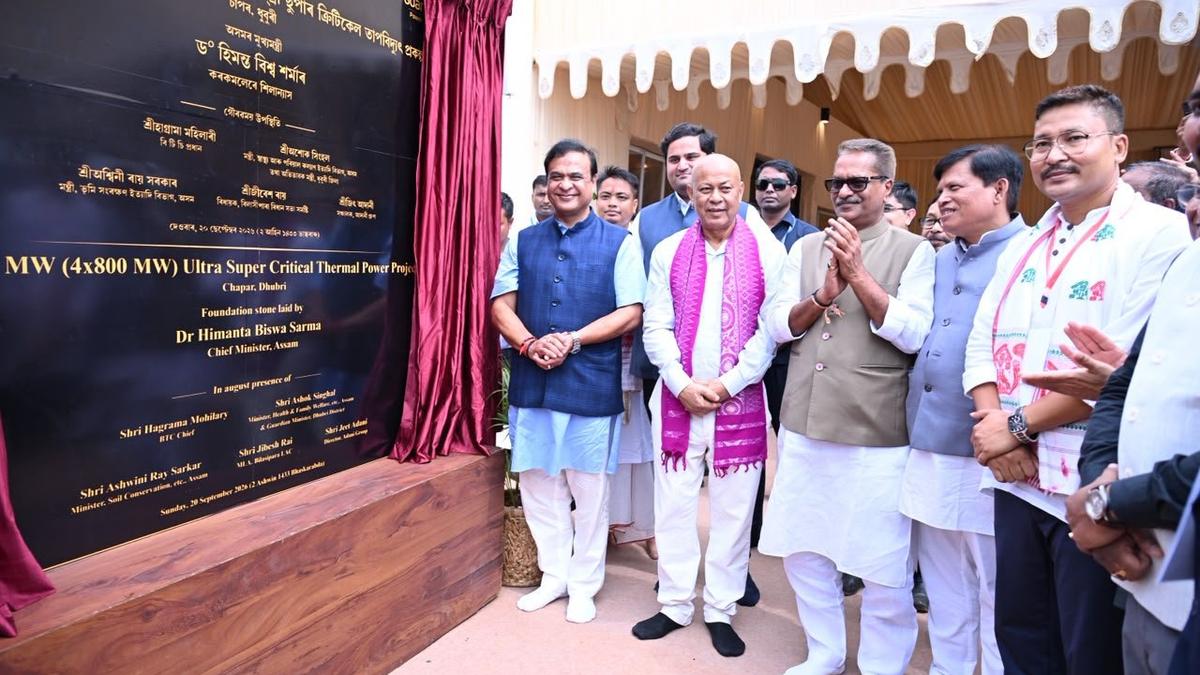
US-Iran Relations: Is Talks with Speaker Mohammad Bagher Ghalibaf Happening?


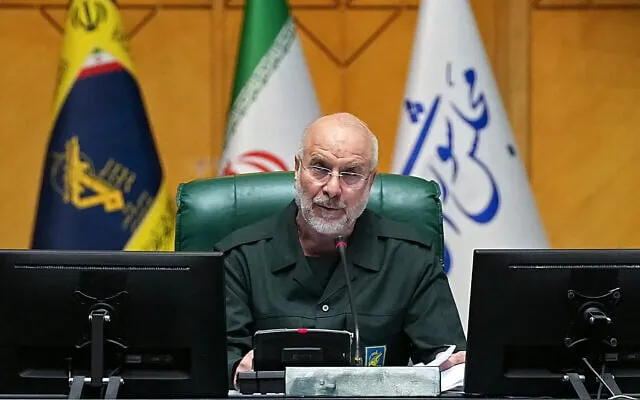
Tensions between the United States and Iran have risen in recent days, particularly concerning bilateral communications. United States President Donald Trump asserted on Monday that the US has paused military action against Iran's infrastructure for five days and indicated that positive discussions have occurred between Washington and Tehran. Although Trump did not specify the Iranian official involved, reports suggest that talks involve Mohammad Bagher Ghalibaf, the Speaker of the Iranian Parliament. However, both Ghalibaf and other high-ranking Iranian officials have categorically denied the existence of such negotiations.
In a statement on the same day, Trump remarked that his representatives are engaged in meaningful dialogue with Iran, claiming these discussions are a step towards resolving hostilities in the Middle East. He did not disclose the name of the Iranian leader being engaged, citing concerns for their safety. Nonetheless, news outlets in both Israel and the US have linked Trump’s discussions to Ghalibaf, noting that special envoy Steve Witkoff and Jared Kushner, Trump’s son-in-law, have been in contact with the Iranian parliament's Speaker.
In response to Trump's claims, Ghalibaf took to social media, asserting, "No negotiations have been held with the US, and fake news is being propagated to manipulate the financial and oil markets." His comments reflect the stance of the Iranian government, which insists any dialogue with the US would require endorsement from the Supreme Leader and the Supreme National Security Council to be deemed legitimate.
Iran has responded to Trump’s ultimatum, which demanded the reopening of the vital shipping lane through the Strait of Hormuz, by pledging to retaliate against US and Israeli infrastructure. Ghalibaf's statements have echoed the broader Iranian narrative, warning that companies associated with US Treasury bonds could be targeted.
Ghalibaf, aged 64, holds a significant position in the Iranian political landscape, having served in various capacities including as commander of the air force for the Islamic Revolutionary Guard Corps and as police chief. His role as mayor of Tehran and his multiple presidential candidacies highlight his prominence. He has been a vocal critic of both the US and Israel, frequently issuing threats while maintaining a tough stance on Western policies.
Analysts suggest that amidst the ongoing conflict, negotiations remain plausible, despite the current denials. Nader Habibi, an Iranian-American economist, indicated a 60 percent likelihood of talks materialising, citing the pressure on Trump and Iran to mitigate the adverse impacts of the war. The global repercussions of continued conflict, especially concerning energy supplies, have put additional pressure on both countries to explore diplomatic solutions.
Numerous intermediary nations, including Egypt and Saudi Arabia, have established communication channels with Iranian officials. Such efforts are seen as avenues to facilitate potential negotiations. Furthermore, China's involvement adds another dimension to the possibility of talks as they seek to influence Iranian decision-making.
Observers remain cautious regarding the success of any upcoming discussions. The complex realities on the ground, including enduring hostilities and the rising costs of war, challenge the prospects for a swift resolution. Regardless, the convergence of interests among involved parties may yield some decline in violence in the near term, although the future trajectory remains uncertain.
Concerns Rise Over Delhi Voter Registration Discrepancies
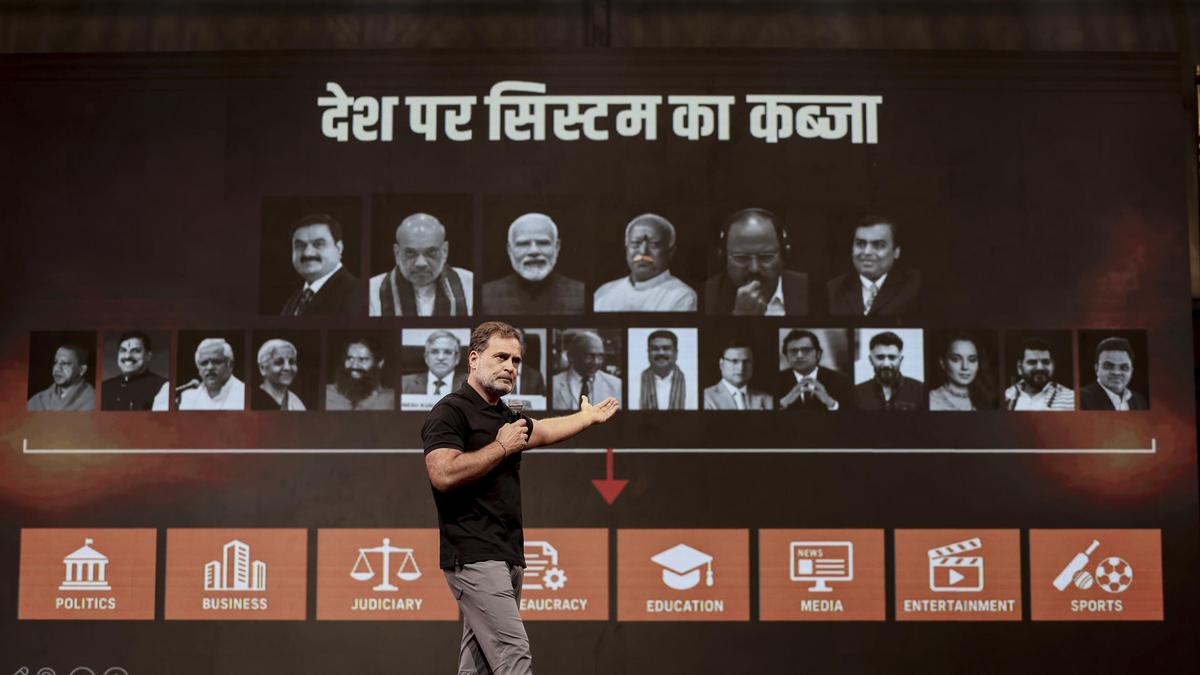
Controversy Erupts Over Rahul Gandhi's PM Modi Mimicry at Event

Father of IIT Bombay Student Calls for Action Against Discrimination

India and Japan Conduct Joint Air Exercise 'Veer Guardian-2026'