Harish Rana, First Person Granted Right to Withdrawal of Treatment, Dies


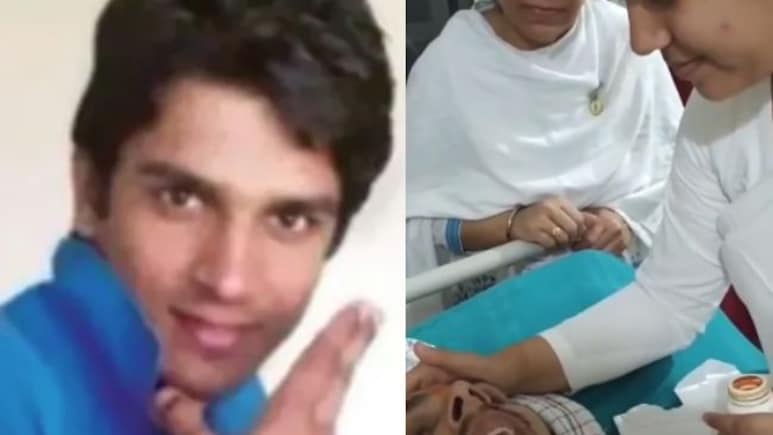
Harish Rana, the first individual permitted to withdraw medical treatment in India, died on 24 March 2026 at the All India Institute of Medical Sciences (AIIMS), New Delhi, following more than 13 years in a coma. Rana was just 31 years old. His death occurs shortly after the Supreme Court affirmed his right to die with dignity, granting withdrawal of life support.
Rana had been in a comatose state since August 2013 after suffering severe head injuries from a fall while studying for his Bachelor of Technology degree at Panjab University. His family had expressed that the withdrawal of artificial life support would not benefit them personally but was intended to help others in similar situations. His father, Ashok Rana, indicated that this decision was made to restore Harish's dignity after years of suffering without a chance of recovery.
Following the Supreme Court's landmark ruling on 11 March 2026, Rana was transferred to the palliative care unit at Dr. B.R. Ambedkar Institute Rotary Cancer Hospital at AIIMS on 14 March. A specially constituted medical team led by Dr. Seema Mishra oversaw the withdrawal of life support, marking a significant first in India.
The Supreme Court during its deliberations noted that Rana's life was sustained solely through clinically administered nutrition via percutaneous endoscopic gastrostomy tubes, and medical assessments had unanimously concluded that further treatment only prolonged biological existence.
As per the court's ruling, once medical boards determined that the withdrawal of life support was appropriate, no further judicial intervention was necessary. The bench of Justices J. B. Pardiwala and K. V. Viswanathan urged the Indian government to consider comprehensive legislation surrounding the broader issue of euthanasia.
Following Rana's death, journalist-activist Pinki Virani, who had previously brought attention to similar medical and ethical issues, thanked the personnel at AIIMS. She encouraged individuals to discuss their wishes with family regarding what kind of medical treatment they would want in similar circumstances.
Harish Rana is survived by his parents, Ashok and Nirmala Rana, who were by his side during his last moments. This case represents a pivotal moment in the ongoing discourse around medical ethics and the right to die in India, paving the way for potential legislative changes in healthcare practices.
Concerns Rise Over Delhi Voter Registration Discrepancies
Controversy Erupts Over Rahul Gandhi's PM Modi Mimicry at Event
Father of IIT Bombay Student Calls for Action Against Discrimination

India and Japan Conduct Joint Air Exercise 'Veer Guardian-2026'