US Inflation Reaches Three-Year High Amid Rising Energy Costs


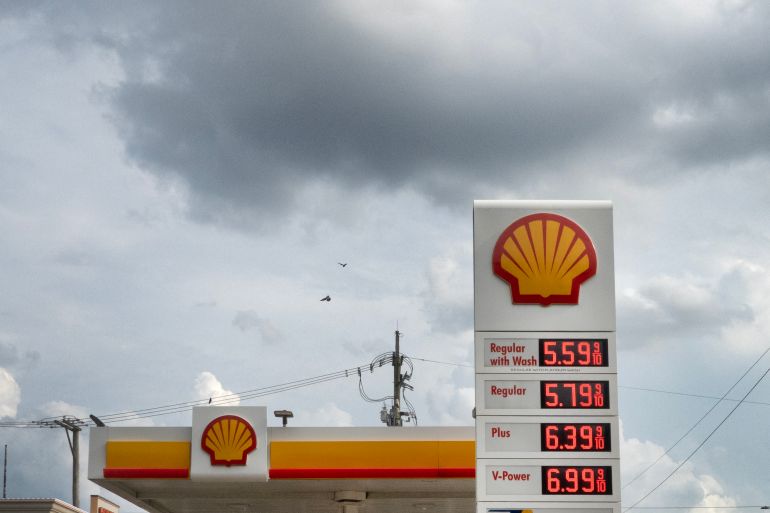
Consumer inflation in the United States rose significantly in May, marking the fastest increase in three years. This surge comes as oil prices continue to climb due to tensions with Iran, which are impacting global energy markets ahead of a forthcoming meeting of the US Federal Reserve. According to the US Labor Department’s Bureau of Labor Statistics (BLS), inflation increased by 0.5 per cent in May compared to April, following a rise of 0.6 per cent the previous month. In total, inflation has risen by 4.2 per cent over the past year.
A primary factor behind this increase is a surge in energy prices, which rose by 3.9 per cent in May following a 3.8 per cent increase in April. Consumers are particularly feeling the effects at the petrol pump, where prices have jumped by 7 per cent compared to the previous month and are over 40 per cent higher than a year ago. The American Automobile Association (AAA) reports that the average price for a gallon of petrol currently stands at $4.15, equating to approximately $1.10 per litre. This marks a substantial increase from the price of $2.98, reported when relations between the US and Iran soured on February 28.
Brent crude oil futures have also seen a rise, climbing $1.45, or 1.6 per cent, to $92.90 a barrel in morning trading. Meanwhile, West Texas Intermediate (WTI) crude increased by $1.80, or 2 per cent, reaching $90 a barrel after hitting a session high of $90.42.
The overall inflation figures also reflect increasing costs in housing, with a 0.3 per cent rise in shelter costs, alongside a 0.3 per cent increase in food prices, which indicates a slowing in growth rates compared to earlier months.
While inflation continues to rise, wages have not kept pace, as real wage growth has decreased by 0.1 per cent in May. Heather Long, chief economist at Navy Federal Credit Union, highlighted that many Americans, particularly in middle-class and lower-income households, are facing financial pressures. “Americans are getting squeezed financially by inflation,” she said.
The heightened inflation figures come at a time when there is increased speculation about potential interest rate hikes by the US Federal Reserve. The central bank will convene for its first policy meeting under newly appointed Chairman Kevin Warsh, who succeeded Jerome Powell last month. According to CME Fed Watch, which tracks the likelihood of interest rate changes, it is expected that rates will remain unchanged at next week’s meeting, sitting between 3.5 per cent to 3.75 per cent.
However, the forecasts signal possible rate increases as the year progresses. By October’s meeting, there is nearly a 38 per cent chance that rates may rise by a quarter-point, with an 8 per cent likelihood that they could increase to between 4 per cent and 4.25 per cent. Analysts from Goldman Sachs predict that any substantive rate cuts will not occur until mid-to-late 2027.
Meanwhile, the gold market has reacted to these inflationary pressures and interest rate expectations. Gold prices have faced declines, with spot gold noted at $4,151.86 per ounce, reflecting a reduction of 2.6 per cent from previous values and marking the lowest level since March. Aleksandar Tomic, associate dean at Boston College, commented that prospects of rate hikes generally exert downward pressure on gold prices.
Stock markets also reacted to the inflation data, with the S&P 500 index falling by 1 per cent during midday trading, while the Dow Jones Industrial Average decreased by 1.3 per cent and the Nasdaq saw a drop of 1.4 per cent.

Kerala Initiates Probe into 2006 Suicide Case Involving CEC

Extradition of Sheikh Hasina Feasible, Says Indian High Commissioner

Punjabi Makeup Artist Mad Sandhu Shot Dead in Amritsar

India Achieves Fourth Place at Asian Games 2026 Through Late Success