Iran-US Tensions Escalate Amid Attacks and Ceasefire Calls


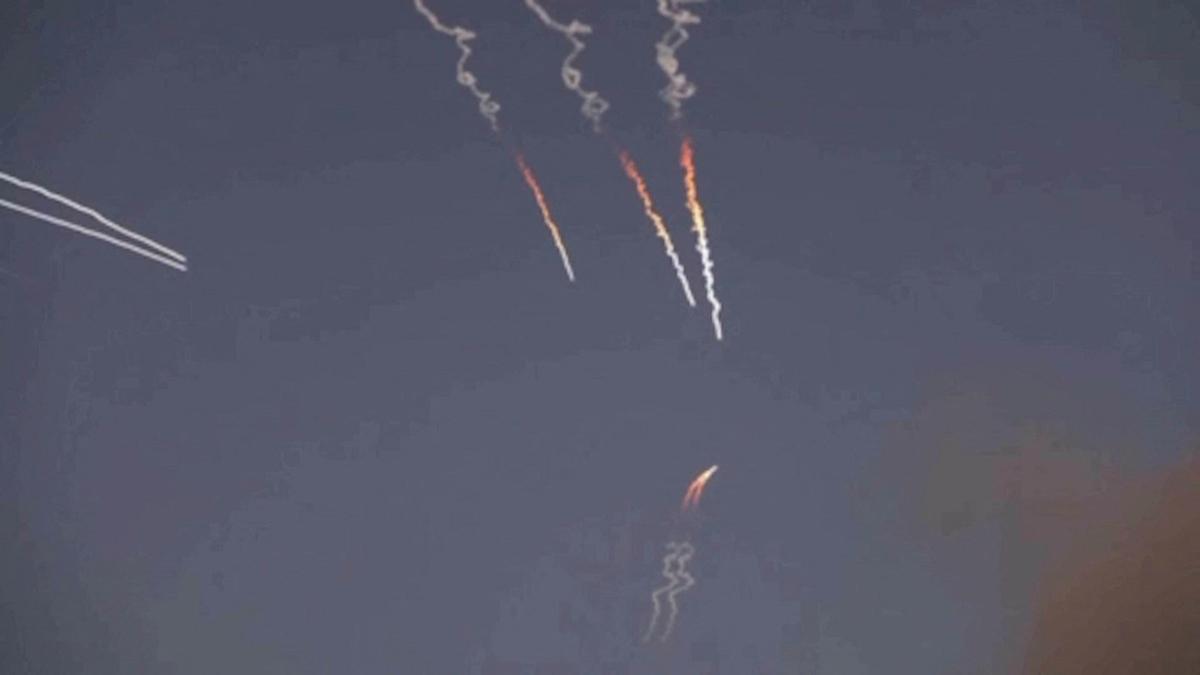
Tensions in West Asia have escalated following a series of retaliatory attacks between Iran and the United States. On June 10, 2026, Iran's Revolutionary Guards announced they had launched missiles targeting a U.S. base in Jordan, as well as other locations in the Gulf region. This response comes after the U.S. reportedly executed airstrikes blaming Iran for the crash of a U.S. Army Apache helicopter near the Strait of Hormuz.
U.S. President Donald Trump remarked via social media that Iran's delay in negotiating a favourable deal would result in consequences, stating, "they will have to pay the price."
The ongoing conflict has raised alarms internationally, with United Nations Secretary-General Antonio Guterres warning of the risks of escalating violence. In a recent meeting of the UN Security Council, Guterres cautioned against underestimating the potential for minor skirmishes to develop into a larger war.
Iran has also urged Gulf neighbours to prevent American and Israeli forces from using their territory for military operations. The Iranian Foreign Ministry emphasised the regional countries' responsibility to avoid involvement in hostilities against Iran.
Domestic impacts of this conflict have been severe, with reports indicating that U.S. strikes have disrupted water access for thousands in the southern Iranian town of Sirik. Local officials stated that over 20,000 residents are now without safe drinking water due to the damage inflicted on two reservoirs.
The U.S., along with allies including Britain and European nations, condemned Iran's Revolutionary Guard Corps and its affiliated intelligence organisations, citing their involvement in "lethal plotting" across several continents.
Amid these developments, the blockade of the Strait of Hormuz has resulted in significant disruptions to global oil supply, affecting various economies. The CEO of Shell warned that the situation has led to unprecedented challenges in energy availability, particularly for Asian countries reliant on oil imports.
In maritime developments, an incident off the Omani coast involved a tanker, resulting in the injury of one crew member and two individuals going missing. The Indian Embassy in Muscat confirmed they are monitoring the situation closely.
In addition, Israeli military actions in southern Lebanon have resulted in multiple casualties. Reports suggest that at least 12 individuals were killed, prompting further concerns regarding the stability in the region. Continuous exchanges of fire between Israeli forces and Hezbollah have characterised the ongoing conflict, with Israeli strikes targeting locations in Lebanon.
This volatile situation underscores the complex and interlinked nature of conflicts in West Asia, with both regional and global ramifications.
Kerala Initiates Probe into 2006 Suicide Case Involving CEC

Extradition of Sheikh Hasina Feasible, Says Indian High Commissioner

Punjabi Makeup Artist Mad Sandhu Shot Dead in Amritsar

India Achieves Fourth Place at Asian Games 2026 Through Late Success