Understanding Wet-Bulb Temperature: A New Health Concern in India


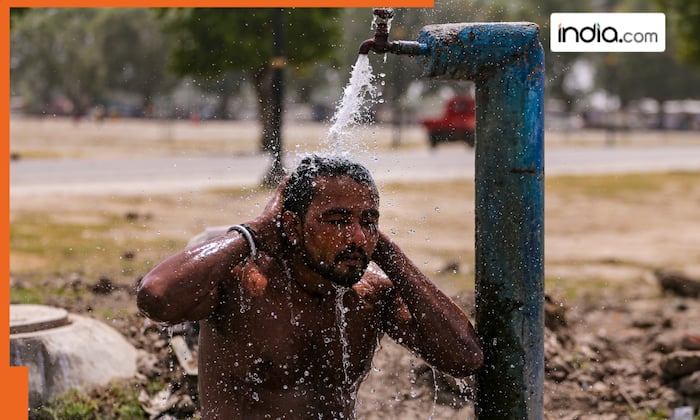
Amidst ongoing extreme heatwaves across India, residents are not only grappling with soaring temperatures but also facing a critical health threat known as wet-bulb temperature. This term refers to the lowest temperature that air can reach through the process of evaporation, effectively measuring how well sweat can cool the human body. When the atmosphere is overly humid, the efficiency of this cooling mechanism is significantly impaired.
The phenomenon becomes particularly hazardous when wet-bulb temperatures approach 35°C. At this threshold, the evaporation of sweat—a key factor in body temperature regulation—becomes ineffective. Consequently, if individuals remain exposed to such conditions, they risk experiencing a rapid rise in internal body temperatures, which may culminate in life-threatening heatstroke or organ failure.
The geography of India exacerbates the dangers posed by these temperatures. Coastal areas are inherently humid, and urban centres often trap heat, forming hazardous zones of extreme warmth. The looming monsoon season adds another layer of complexity, as elevated moisture levels combined with the heat can solicit dangerous health outcomes.
Economic implications also coincide with concerns about public health. The India Meteorological Department has forecasted below-normal rainfall for the upcoming monsoon, estimated at 92 percent of the long-period average. As reported by investment platform smallcase, this potential shortfall raises significant issues related to food inflation, the revival of rural demand, and interest-rate trends in the coming months.
The study indicated that while stable rainfall could assist in managing inflation and bolstering growth, a decrease in rainfall might spur inflationary pressures, ultimately leading to volatility in rural sectors dependent on agricultural productivity. Given these interconnected challenges—both health-related and economic—Indian citizens and policymakers alike must remain vigilant and proactive in addressing the various impacts of aligning climate factors and public health needs.
Local authorities and health experts are calling for heightened awareness about the risks posed by extreme weather conditions, emphasising the need for adequate hydration and precautions during peak temperatures. Awareness campaigns are being launched to educate the public on recognising the symptoms of heat-related illnesses and strategies to mitigate their effects.
As communities prepare for the challenges posed by the surfacing wet-bulb temperature phenomenon and the anticipated changes in weather patterns, collaboration between governmental agencies, health organisations, and the public will be crucial to navigate this growing public health concern.

Kerala Initiates Probe into 2006 Suicide Case Involving CEC

Extradition of Sheikh Hasina Feasible, Says Indian High Commissioner

Punjabi Makeup Artist Mad Sandhu Shot Dead in Amritsar

India Achieves Fourth Place at Asian Games 2026 Through Late Success