Quad Foreign Ministers Unveil Maritime and Energy Initiatives


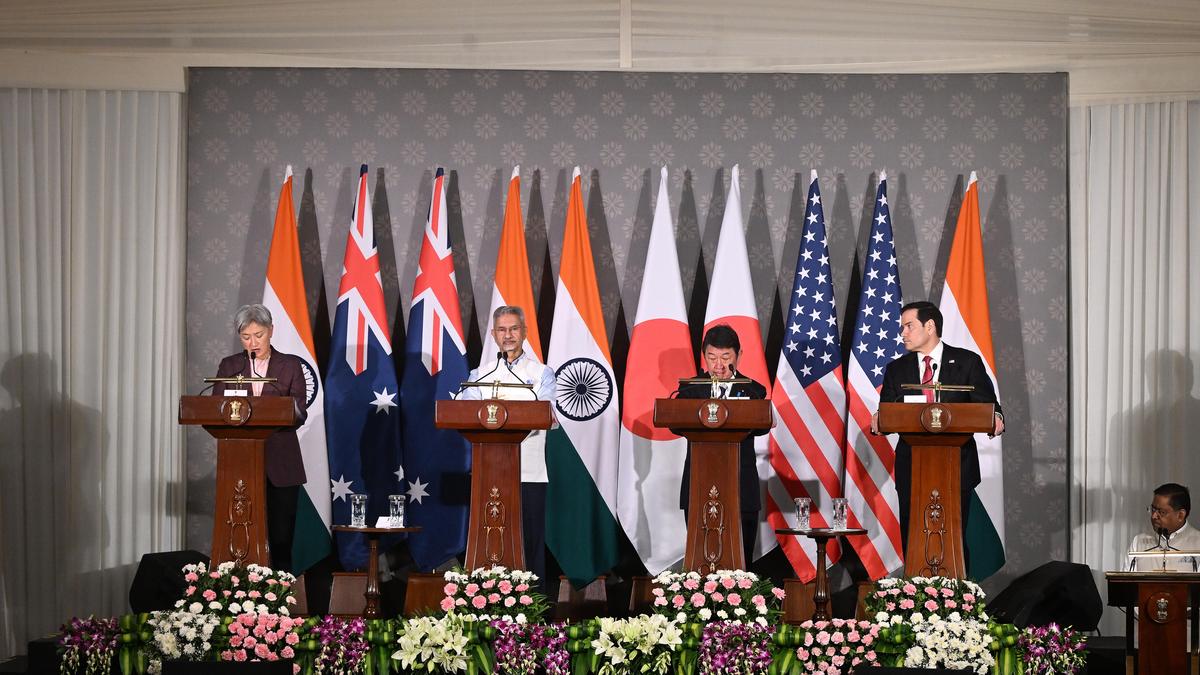
In a significant gathering, the Quad Foreign Ministers convened in New Delhi on May 26, 2026, to address pressing maritime and energy challenges amid growing regional tensions. The participants included External Affairs Minister S. Jaishankar from India, Australian Foreign Minister Penny Wong, Japanese Foreign Minister Toshimitsu Motegi, and U.S. Secretary of State Marco Rubio.
The meeting marked the 11th Foreign Ministers’ meeting of the Quad, which aims to bolster cooperation among the countries in response to the ongoing geopolitical instability in the Persian Gulf and the South China Sea. During a joint press conference, U.S. Secretary of State Marco Rubio announced two key initiatives aimed at improving maritime collaboration.
Firstly, the Indo-Pacific Maritime Surveillance Collaboration initiative was launched to enhance information-sharing capabilities between the Quad nations. Rubio stated, "This initiative will leverage each of our country’s maritime surveillance capabilities in the Indo-Pacific to enhance information sharing." Secondly, an expansion of the Indo-Pacific Maritime Domain Awareness initiative was revealed, which seeks to provide nearly real-time data regarding commercial maritime operations throughout the region.
India's involvement as the host for the next phase of the Quad will also include a joint maritime mission aimed at uniting the Coast Guards of the member nations. This indication of collaboration was mirrored in a joint statement that emphasised the necessity of maintaining freedom of navigation in vital waterways, including the Strait of Hormuz and the South China Sea.
The context of these initiatives arises amidst concerns expressed by Iranian Foreign Minister Seyed Abbas Araghchi regarding the Strait of Hormuz, which he claimed is not governed by international maritime law. The Quad's joint statement directly contradicted this assertion, reaffirming the importance of adherence to the United Nations Convention on the Law of the Sea in these regions.
Furthermore, the Quad foreign ministers introduced the Quad Initiative on Indo-Pacific Energy Security aimed at strengthening regional energy resilience and emergency preparedness. Jaishankar emphasised the gravity of ensuring safe maritime commerce and the need for improved logistics and capacity-building measures.
Chinese Foreign Ministry spokesperson Mao Ning responded to the Quad meeting's outcomes by reiterating China's position against the formation of exclusive alliances. The grouping affirmed its commitment to upholding international law and the peaceful resolution of conflicts, viewing these principles as vital for the stability of the Indo-Pacific region.
Australian Foreign Minister Penny Wong also unveiled the Quad Ports of the Future Partnership, which will initiate a pilot project aimed at enhancing port infrastructure in Fiji. Wong noted, "I was in Fiji just a couple of weeks ago, and I know how important this will be to that country."
Despite these advancements, uncertainties remain regarding the future of the Quad, particularly regarding the timing of the next leaders’ summit. Following the meeting, speculation arose about whether the group might revert to a Ministerial-level dialogue, as no definitive date or host country was announced for the next summit.
The significance of these initiatives reflects a commitment from the Quad nations to address emerging challenges collaboratively and highlights their strategic interests in the Indo-Pacific region. This engagement indicates a forward-looking approach despite the uncertainties currently facing the grouping.
Kerala Initiates Probe into 2006 Suicide Case Involving CEC

Extradition of Sheikh Hasina Feasible, Says Indian High Commissioner

Punjabi Makeup Artist Mad Sandhu Shot Dead in Amritsar
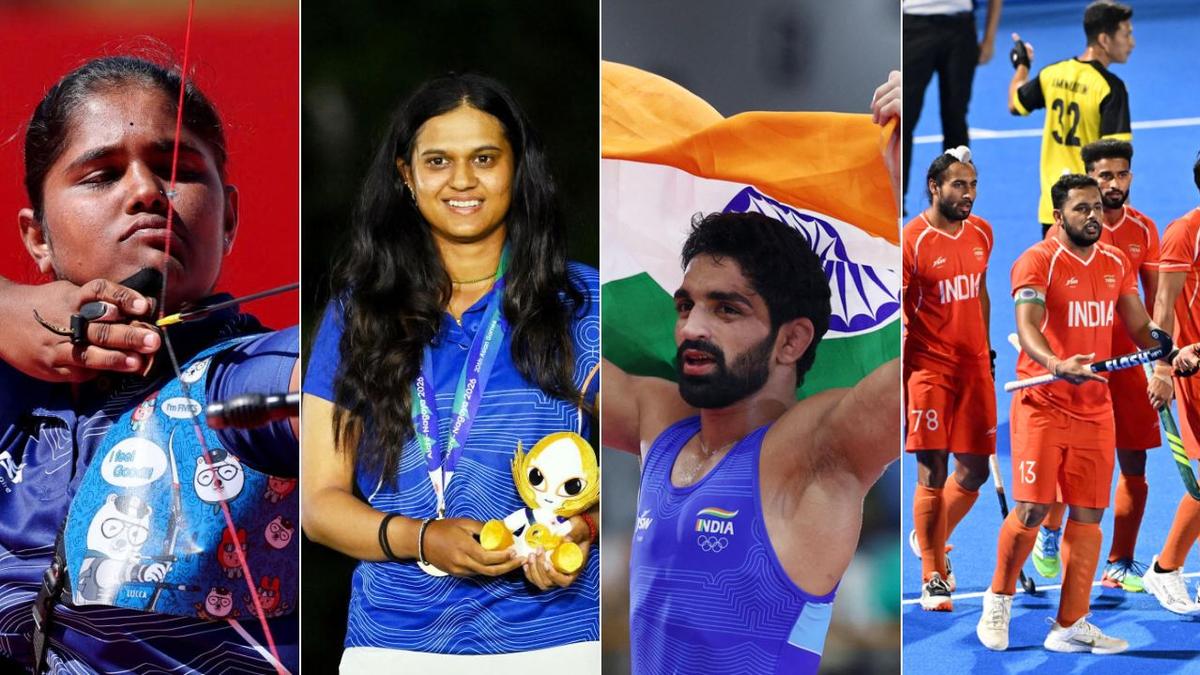
India Achieves Fourth Place at Asian Games 2026 Through Late Success