UK Economy Grows by 0.1% in Final Quarter of 2025


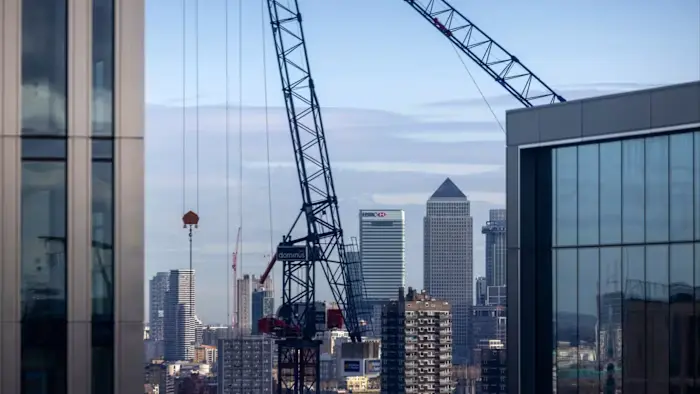
The latest figures from the Office for National Statistics (ONS) indicate that the UK economy grew by 0.1% in the last quarter of 2025. This cautious growth marked a subdued end to the year, as the economy also recorded an increase of 0.1% in December 2025. Overall, the country's Gross Domestic Product (GDP) for the entire year is estimated to have risen by 1.3%, an improvement from the 1.1% growth seen in 2024.
Dharshini David, an economic analyst, noted that while the government's principal objective is to boost growth, 2025 will be remembered as a year of modest progress, reflecting a loss of momentum as the year unfolded. Chancellor Rachel Reeves responded to the growth figures by asserting that the government "has the right plan" to foster a stronger economy. However, Shadow Chancellor Mel Stride retorted, stating that "Labour's choices have weakened our economy."
Liz McKeown, ONS Director of Economic Statistics, highlighted that the manufacturing sector played a pivotal role in driving growth during the final quarter, whereas the construction industry continued to struggle, and the services sector experienced stagnation for the first time in two years.
Responses to the current economic data have varied. Prime Minister Keir Starmer commented, "our economy is growing," but he acknowledged the ongoing challenges in alleviating the cost of living pressures faced by many citizens. Conversely, Conservative leader Kemi Badenoch described the new figures as evidence that the UK is "stuck in the slow lane," calling for cuts to spending and taxes to stimulate growth.
Business organisations have also voiced their concerns. David Bharier, head of research at the British Chambers of Commerce, warned that the UK faces a "persistent low growth trap." Despite these challenges, economist Jim O'Neill remarked that the annual growth figure exceeds initial projections for the year.
Looking forward, the economic outlook suggests challenges remain as businesses face wary consumers. Dharshini David pointed out that convincing customers and businesses to reinvigorate their spending habits post-winter is crucial for the government's strategy to stimulate growth.
In responding to the figures, Chancellor Rachel Reeves maintained, "Ours is the fastest growing G7 economy in Europe," emphasising the growth over the full year. However, the latest quarterly data suggests that while the UK recorded 0.1% growth between October and December, other G7 nations like France and Germany performed better in the final quarter, growing by 0.2% and 0.3% respectively.
As local businesses grapple with the economic landscape, some have begun to adjust their models in response to changing consumer behaviours. For instance, Nigel Day, who operates a heat pump installation business in Ipswich, revealed the impact of wage increases and budget uncertainties on his hiring practices, stating, "Increases to the minimum wage have meant that we’ve not been able to employ the youngsters into the business."
Jasmin Aspinall, who transitioned her business from retail to hospitality to align with consumer spending trends, affirmed, "You just have to dive in with both feet, despite the risks."
Despite the growth figures falling slightly short of analysts' expectations, there was still an overall increase in the economy throughout the year, even when factoring in inflation. The implications of this growth for the general populace remain contingent upon individual financial circumstances and the size of the population, influencing how much of the economic growth citizens can benefit from.
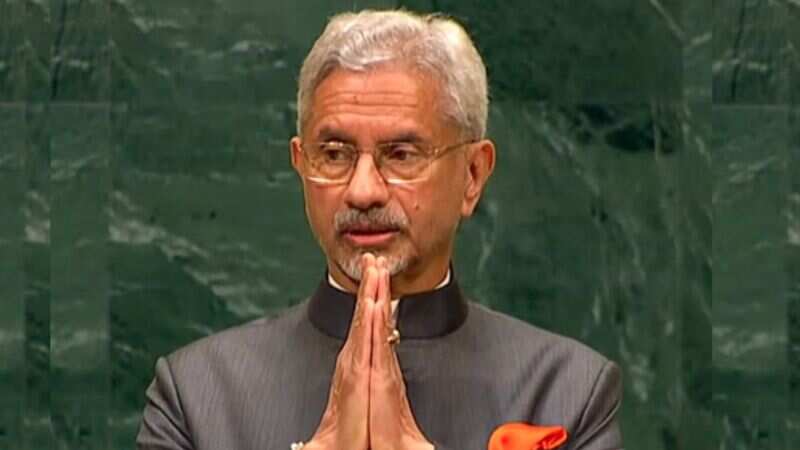
India's Jaishankar Criticises Pakistan at UN General Assembly
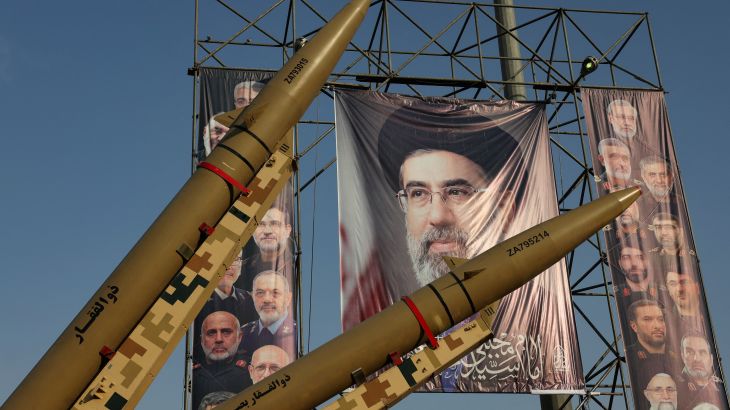
Iran Asserts Readiness for War Amid Rising Tensions in Hormuz
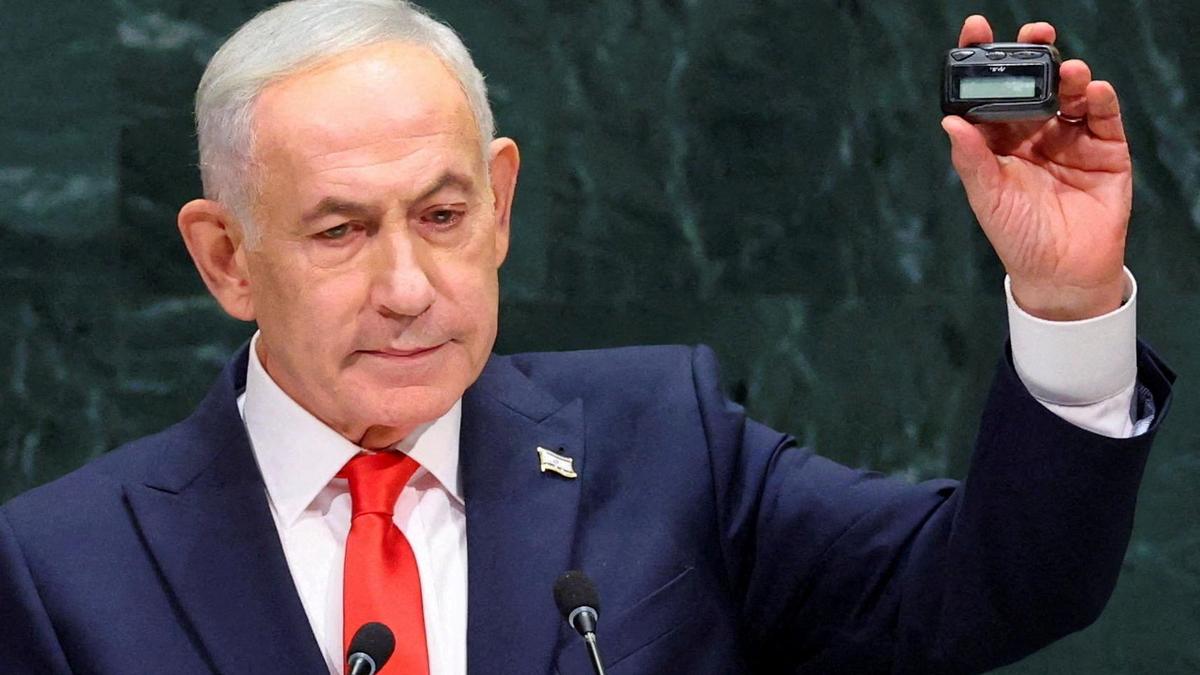
Israeli Prime Minister Netanyahu Makes Unannounced Visit to UAE

World Leaders Gather for Climate Summit, Pledges Made