UAE Withdraws from OPEC Amid Concerns Over Hormuz Disruptions


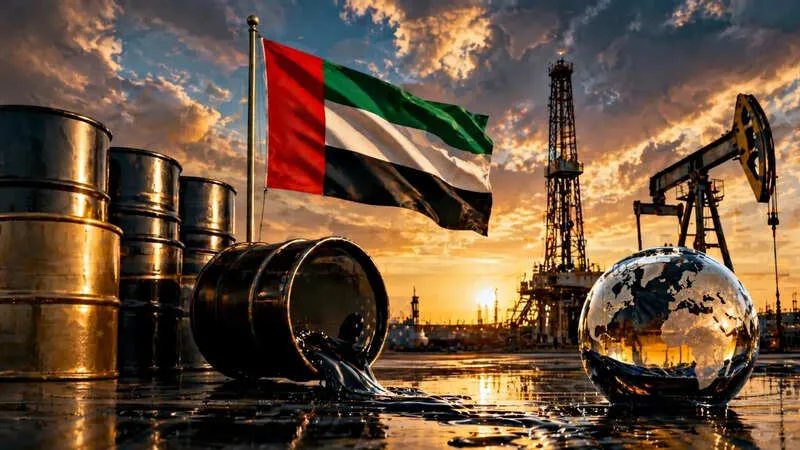
In a significant development for global oil markets, the United Arab Emirates (UAE) has announced its withdrawal from the Organisation of the Petroleum Exporting Countries (OPEC). This decision comes amid ongoing disruptions in the Strait of Hormuz, a critical maritime route for oil exports.
The Strait of Hormuz, which separates Iran and Oman, is strategically located and is one of the world's busiest shipping lanes. Approximately one-fifth of the global oil supply passes through this narrow waterway. The region has been a focal point of geopolitical tensions, particularly between Iran and Western nations, leading to concerns over the security of oil shipments.
The exit of the UAE from OPEC signifies a potential shift in the dynamics of global oil production and pricing. Analysts suggest that the move may result in an increase in oil production from the UAE, which had previously agreed to production cuts as part of OPEC's strategy to stabilise oil prices.
Aside from the immediate implications for production levels, the UAE's departure could signal a more extensive transformation within OPEC and its allied partners, collectively referred to as OPEC+. The alliance has faced criticism and challenges in maintaining a unified stance on production levels, particularly as member nations grapple with varying economic needs and priorities.
Industry experts are closely monitoring this situation, as changes in production policy by one major player like the UAE can influence global oil prices. A statement from Emirati officials indicated that the UAE would continue to focus on maintaining its national interests, particularly in light of the fragile security situation in the Gulf.
As the situation evolves, experts urge stakeholders to remain vigilant regarding fluctuations in oil prices and potential repercussions for global markets. The ongoing geopolitical tensions in the region, alongside the UAE's strategic decisions, will likely continue to shape discussions around energy and economics on a global scale.
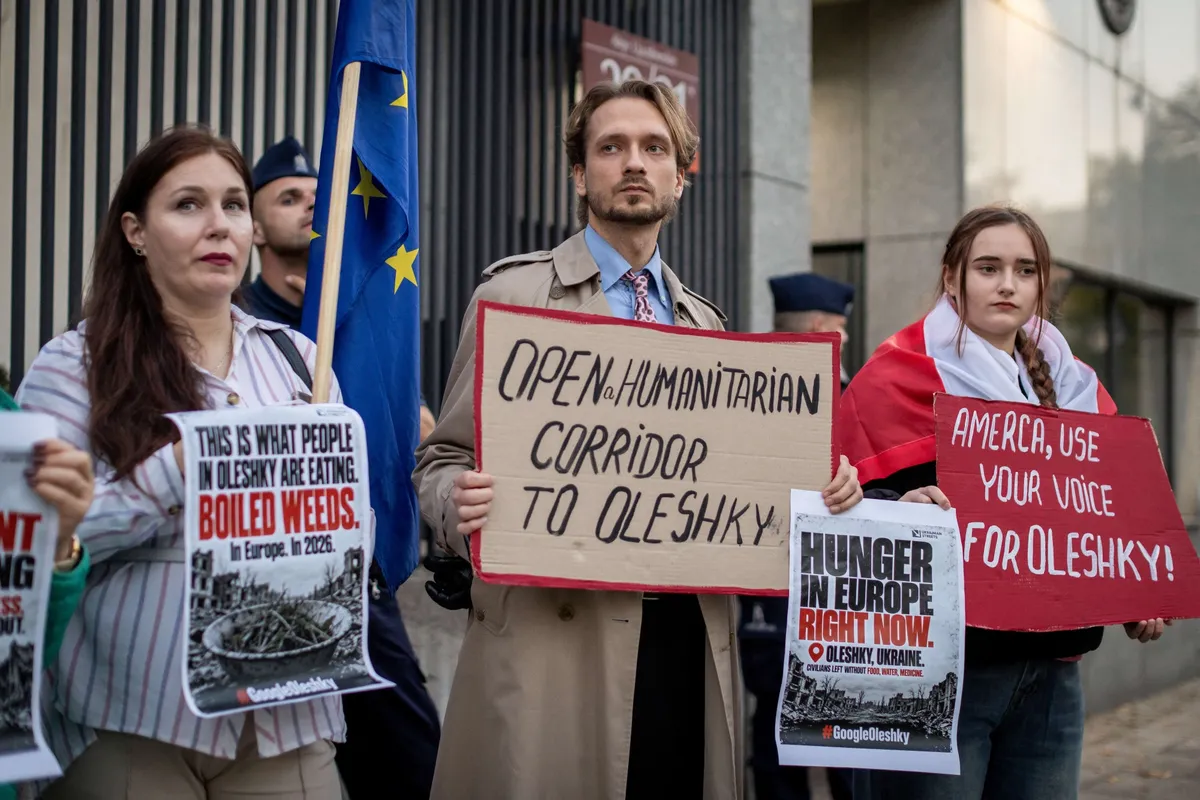
Ceasefire Agreed in Oleshky Amid Ukraine's Humanitarian Crisis
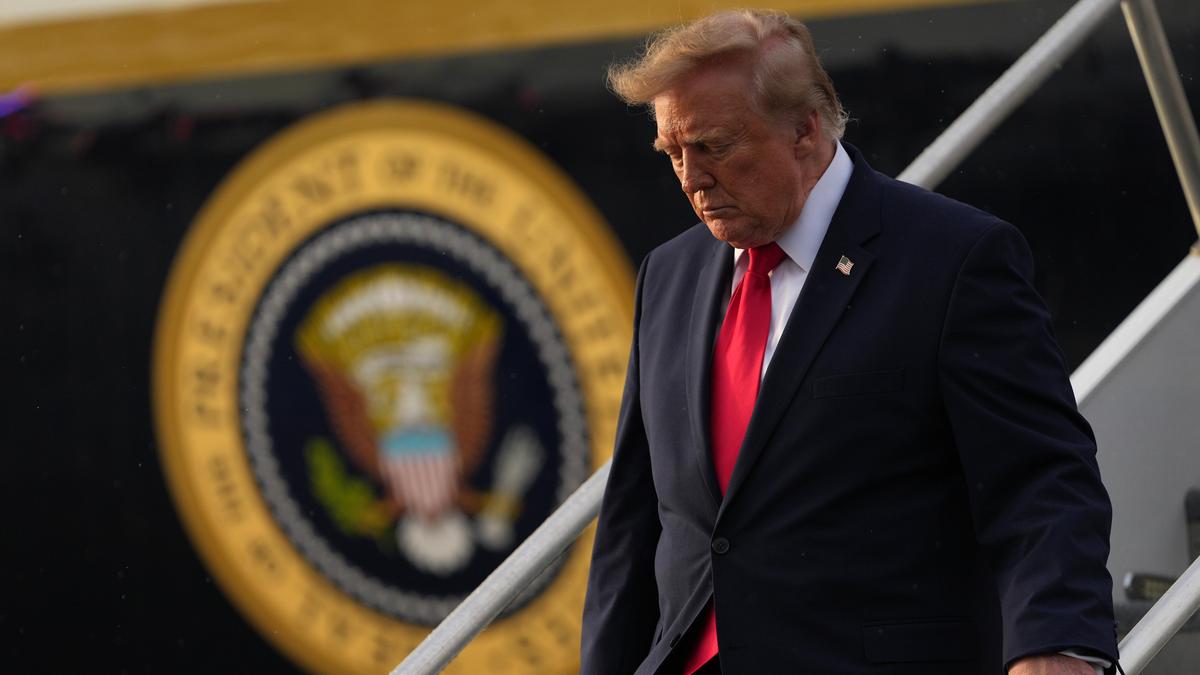
Donald Trump Hints at US Interest in Cuba After Conflict in Iran
UK Court Rules Against India in RAKIA Investment Dispute

India Raises Concerns Over Chinese Border Patrolling Deviations