Australia Proposes Tax on Meta, Google, and TikTok for Journalism Funding



Australia has unveiled a proposal aimed at taxing major digital companies including Meta, Google, and TikTok to support journalism. The draft legislation, released on Tuesday, intends to require these platforms to contribute a portion of their revenue towards funding news reporters. The government plans to introduce this legislation to Parliament by 2 July 2023.
The move seeks to provide financial incentives for social media companies to negotiate deals with news organisations for journalism compensation. Currently, Meta, Google, and TikTok are facing criticism regarding the proposal, with concerns that it amounts to a 'digital services tax' that may not address the realities of the advertising sector and could fail to foster a sustainable news industry.
Prime Minister Anthony Albanese stated that it is essential to assign a monetary value to journalistic work. He emphasised, "It shouldn’t just be able to be taken by a large multinational corporation and used to generate profits for that organisation with no compensation appropriate for the people who produce that creative content." Albanese further asserted, "We think that investment in journalism is critical to a healthy democracy."
This proposed tax is Australia's second attempt at ensuring that platforms financially support the news content provided to their users. The previous legislative effort, the News Media Bargaining Code, was introduced in 2021. This earlier legislation pressured digital platforms to negotiate agreements with Australian news publishers for journalism compensation. Rather than face mandatory arbitration, the platforms opted for commercial agreements with news creators. However, they have since avoided renewing these agreements by excluding news content from their services.
Under the newly proposed News Bargaining Incentive, major platforms that do not enter into commercial deals with news publishers will face a levy of 2.25% on their Australian revenues. The government has indicated that companies could receive offsets, thereby reducing their overall costs if they agree to compensate publishers for their journalism.
The Australian government estimates that this initiative could generate between 200 to 250 million Australian dollars (approximately 144 to 179 million US dollars) annually, equivalent to what the platforms previously paid to news outlets during the peak operation of the News Media Bargaining Code. The government plans to distribute the revenue among news organisations, basing allocations on the number of journalists each employs, as stated by Communication Minister Anika Wells.
The targeted digital platforms include Meta Platforms, the parent company of Facebook and Instagram, Google, owned by Alphabet Inc., and TikTok, which is primarily controlled by investors from the United States. U.S.-based critics have voiced concerns that Australia's News Media Bargaining Code disproportionately affects American corporations.
In response to the proposed legislation, Meta argued that news organisations choose to share content on their platforms because they benefit from the exposure. The company maintained, "The idea that we take their news content is simply wrong. This proposed legislation... is nothing more than a digital services tax." Meta also highlighted that mandated payments could lead to an unsustainable news industry reliant on government subsidies.
Similarly, Google expressed opposition to the tax, arguing that it overlooks existing commercial agreements with the news sector and misinterprets changes in the advertising market. Google's statement pointed out the arbitrary exclusion of platforms such as Microsoft and Snapchat, despite significant shifts in how people access news.
TikTok has not yet responded to requests for comments regarding the proposed measures. Prime Minister Albanese has indicated that he remains unfazed by potential backlash from the United States, affirming his focus on Australian national interests and the sovereignty of the nation.

Ceasefire Agreed in Oleshky Amid Ukraine's Humanitarian Crisis
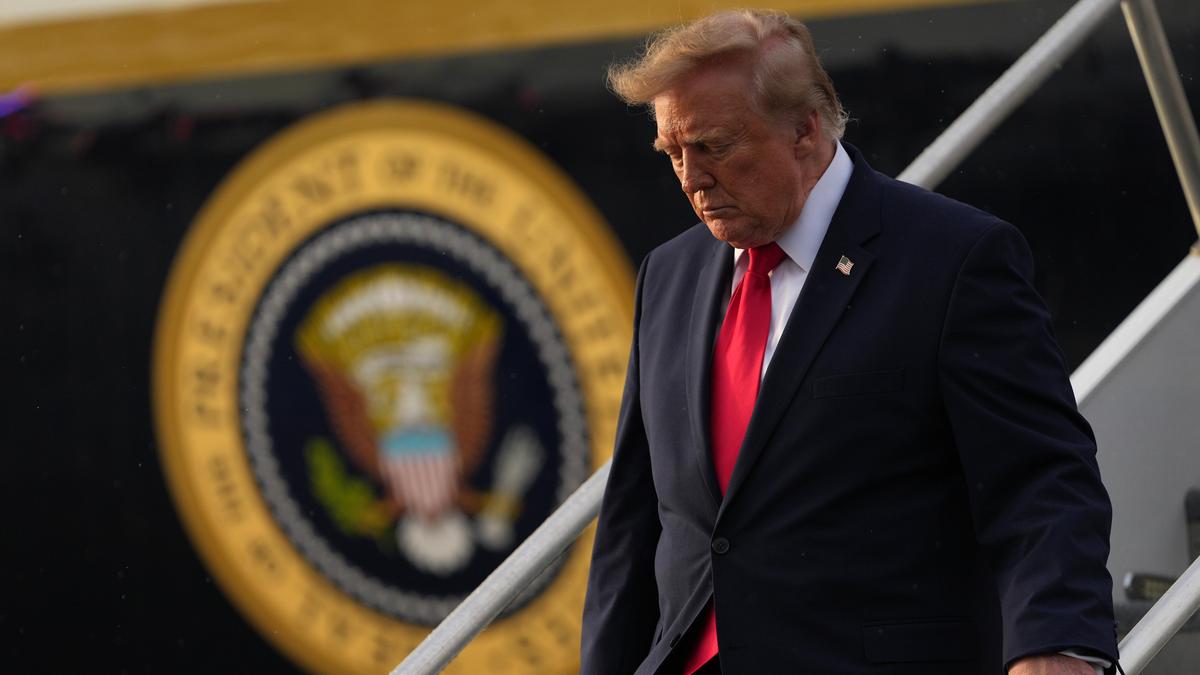
Donald Trump Hints at US Interest in Cuba After Conflict in Iran
UK Court Rules Against India in RAKIA Investment Dispute
India Raises Concerns Over Chinese Border Patrolling Deviations