Taliban's Restrictions on Women Persist for Afghan Exiles


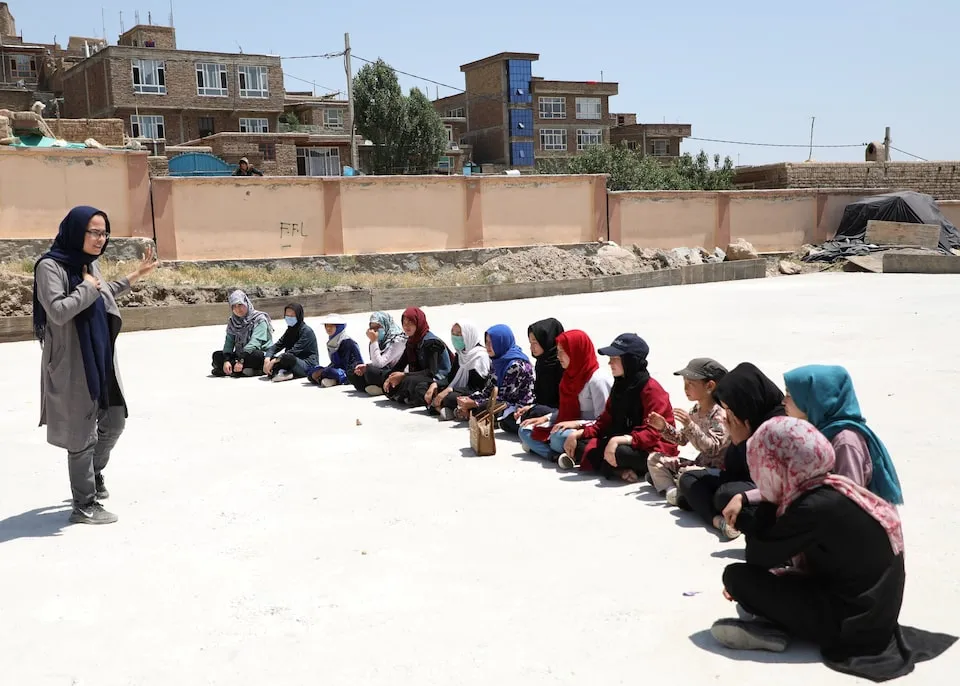
Recent reports highlight the ongoing challenges Afghan women face, both in their home country and abroad, due to the Taliban's oppressive policies. Fereshta Abbasi, a researcher for Human Rights Watch, shares her experience of being silenced by a media outlet that preferred to feature a male colleague in her place. Abbasi, who authored a report on Afghan issues, received an unsettling request that reflects a broader trend affecting women in Afghanistan and among the diaspora.
The Taliban's Ministry for the Propagation of Virtue and the Prevention of Vice mandates that any Afghan woman wishing to speak on media platforms must appear in a full hijab with her face covered. This requirement serves to reinforce the Taliban's narrative that women in Afghanistan can only be viewed through a lens of repression and subjugation. Abbasi expressed her frustration, stating that her professional credentials were disregarded in favour of her gender, effectively reducing her to a single identity.
Since the Taliban regained control of Afghanistan in August 2021, the situation for women has dramatically deteriorated. Access to education beyond the sixth grade is restricted, and many women find themselves barred from the workforce. Reports indicate that in several provinces, female journalists are prohibited from working entirely, and the female presence is missing from radio and television broadcasts.
This attempt to silence Afghan women extends beyond Afghanistan's borders, as media outlets abroad are coerced into enforcing the Taliban's oppressive guidelines. The implications are severe, obstructing women's right to freedom of expression even when they have fled the country. Abbasi firmly rejects these limitations, stating that Afghan women should not have to abide by discriminatory regulations to express their rights publicly.
Globally, the actions of the Taliban highlight a pressing need for the international community to advocate for the rights of Afghan women. Human Rights Watch continues to document these abuses in nearly 100 countries, working to expose violations and hold perpetrators accountable. As Fereshta Abbasi poignantly notes, "Wherever we are, our voices matter." The persistence of such restrictions emphasizes the necessity of collective action to support Afghan women's rights and freedoms.
The call to action is clear; the world must pay attention to these injustices and support efforts to ensure that women's voices are heard, respected, and valued, regardless of their location. Ongoing advocacy is essential not only in Afghanistan but also in every corner of the globe where women face similar injustices.
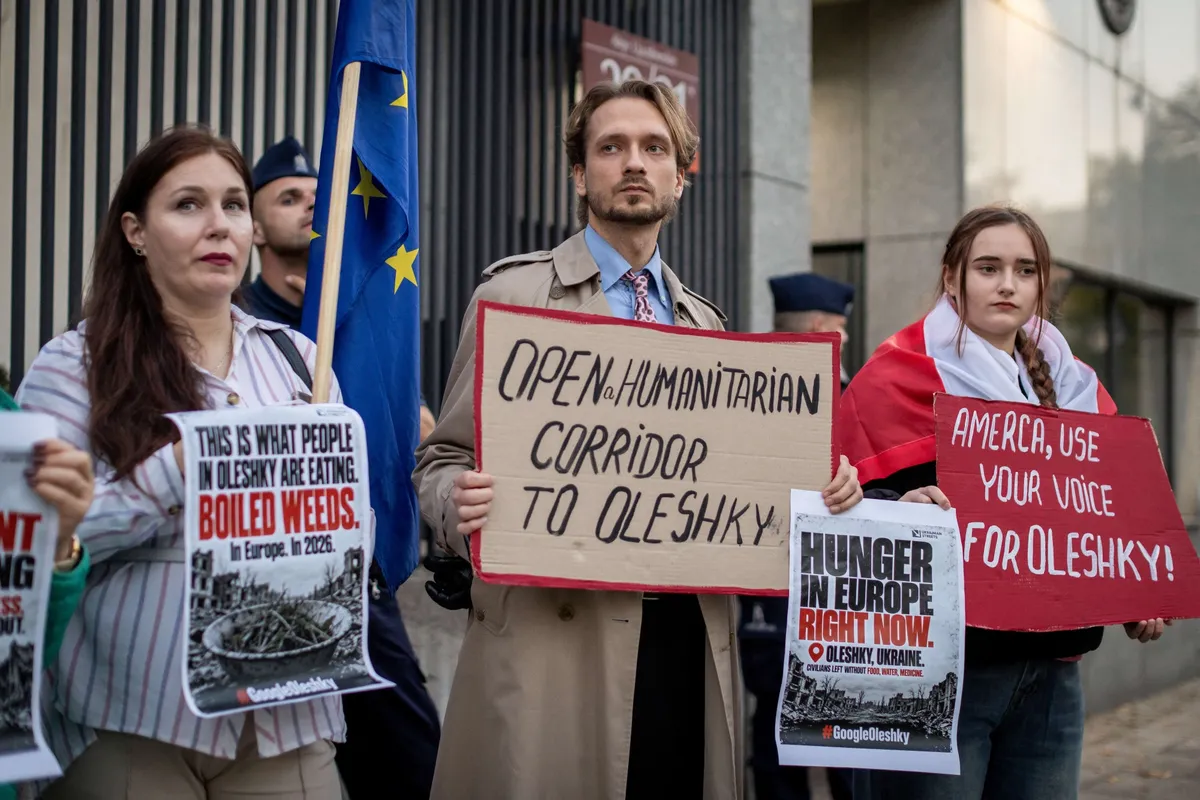
Ceasefire Agreed in Oleshky Amid Ukraine's Humanitarian Crisis
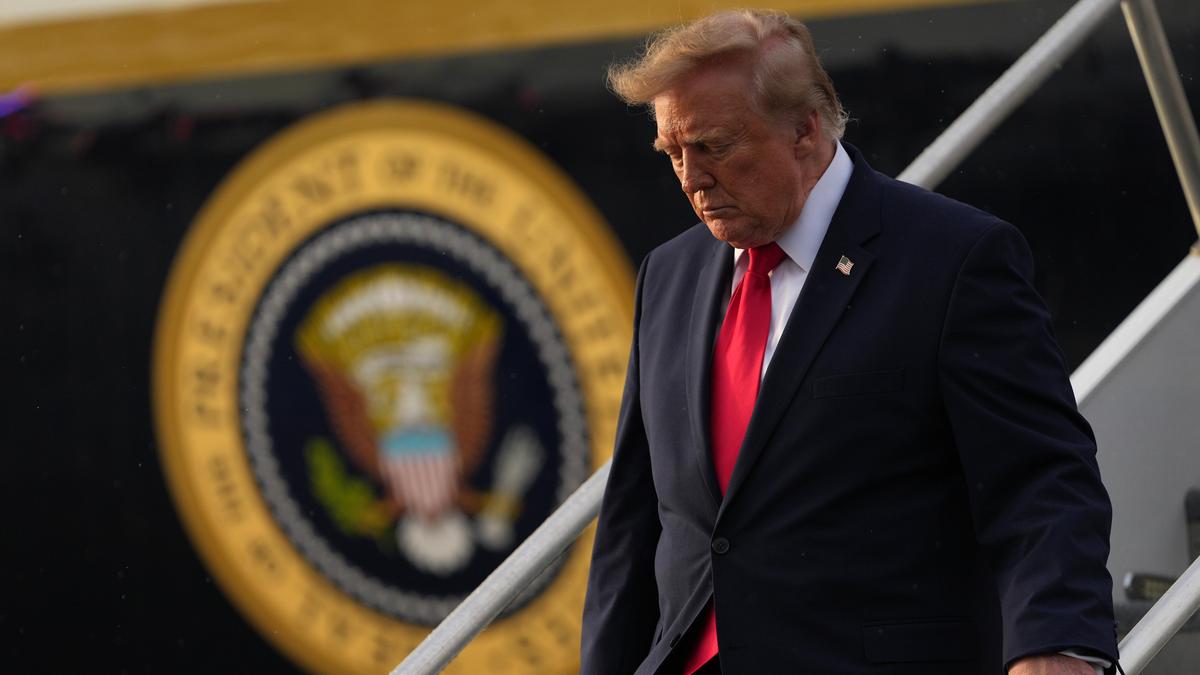
Donald Trump Hints at US Interest in Cuba After Conflict in Iran
UK Court Rules Against India in RAKIA Investment Dispute
India Raises Concerns Over Chinese Border Patrolling Deviations