U.S.-Iran Peace Agreement Sparks Hope for Stability in West Asia


On June 23, 2026, developments in the ongoing West Asia conflict led to significant diplomatic activity involving Iran, the United States, and Lebanon. The Iranian ambassador to the United Nations in Geneva, Ali Bahreini, asserted that Iran will independently decide how to utilise its frozen assets, contradicting U.S. claims of potential influence over these decisions. 'Iran is the only country who will decide what to do with its assets,' Bahreini stated, rejecting any suggestions of external interference.
In Washington, Lebanon initiated a new round of direct negotiations with Israel amidst ongoing conflicts that have persisted since March 2, 2026. These talks are part of a broader effort to secure an end to hostilities, which have resulted in over 4,000 deaths in Lebanon. Despite previous talks failing to produce a lasting ceasefire, Lebanese officials remain committed to face-to-face discussions as the only viable path to peace.
The backdrop to these discussions includes a recent Memorandum of Understanding (MoU) between the U.S. and Iran, aimed at reducing hostilities across the region. This MoU has led to a cessation of violence on multiple fronts, including Lebanon. Lebanese President Joseph Aoun reiterated the need for sovereignty and rejected foreign interference in the talks. He expressed hope that the current negotiations would decisively contribute to achieving Lebanon's national goals, especially regarding the restoration of sovereignty over its territory.
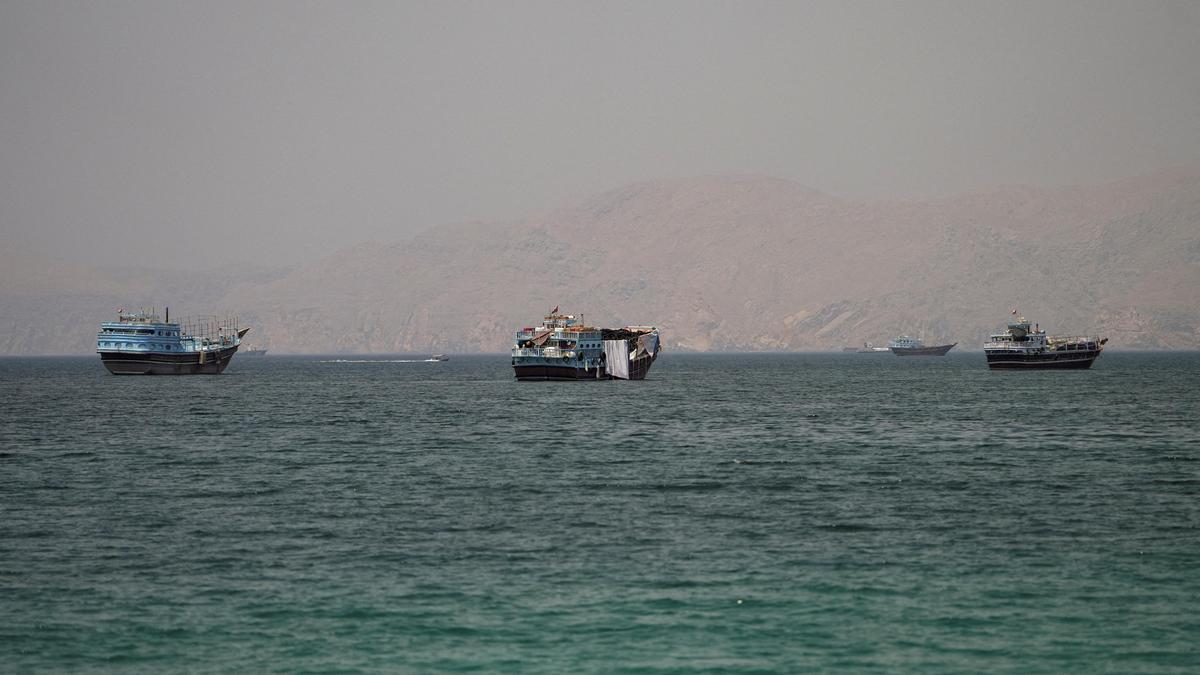
Iran's chief negotiator, Mohammad Bagher Ghalibaf, confirmed that Iran will control operations in the Strait of Hormuz following discussions aimed at easing U.S.-Israeli tensions. Recent ship-tracking data indicated an uptick in maritime activity in the vital waterway, with several supertankers and liquefied natural gas carriers reportedly resuming operations, signalling a potential recovery in Gulf gas shipping.
U.S. President Donald Trump also announced on social media that approximately 19 million barrels of oil were exported from the Strait of Hormuz on June 22, although this figure could not be independently verified by Reuters. The most recent U.S. sanctions waiver is expected to relieve pressure on global oil and liquefied natural gas supplies, contributing to a decrease in prices.
India welcomed the U.S.-Iran MoU. National Security Advisor Ajit Doval noted the agreement's potential to enhance global energy security and restore stability in supply chains that have been disrupted by ongoing conflicts.
The near-future implications of the U.S.-Iran MoU, combined with continued negotiations, suggest a pivotal moment for peace efforts in West Asia, though the complexities surrounding the Iran-Lebanon-Israel dynamics remain a significant challenge.
Concerns Rise Over Delhi Voter Registration Discrepancies
Controversy Erupts Over Rahul Gandhi's PM Modi Mimicry at Event

Father of IIT Bombay Student Calls for Action Against Discrimination

India and Japan Conduct Joint Air Exercise 'Veer Guardian-2026'