Israel-Lebanon ceasefire announced amid stalled leadership talks


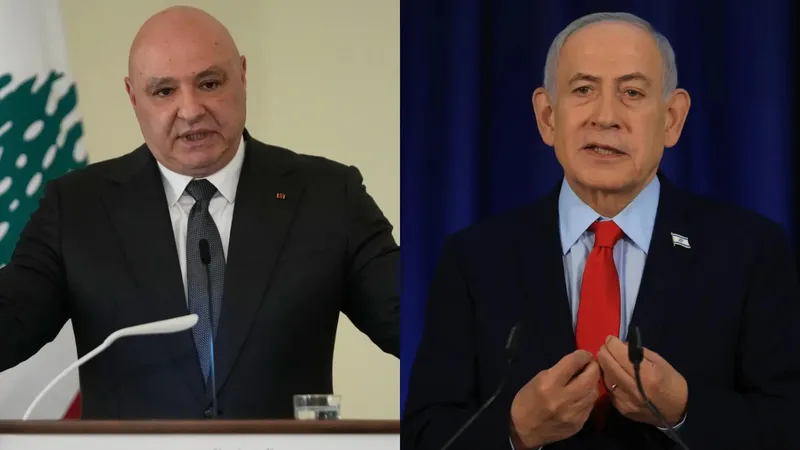
The temporary truce, set to begin at 5 p.m. Eastern Time, was described by President Trump as a step towards broader peace, following discussions involving Israeli Prime Minister Benjamin Netanyahu and Lebanese President Joseph Aoun.
Despite the announcement, a Lebanese official said President Aoun had refused to engage in direct communication with Mr Netanyahu. “We told America we aren’t ready to take that step,” the official said, indicating that Lebanon is unwilling to advance negotiations until a ceasefire is fully in place between Israel and the armed group Hezbollah.
Conflicting signals over talks
Earlier statements from Israeli officials and President Trump suggested that direct talks between the two leaders were imminent. President Trump had indicated on social media that discussions would take place, though no details were provided regarding timing or format.
However, Lebanese authorities later clarified their position, emphasising that any further diplomatic engagement would depend on halting hostilities on the ground.
The differing accounts highlight ongoing tensions and mistrust, even as international mediators attempt to facilitate dialogue between the two countries, which have technically remained in a state of conflict for decades.
Renewed diplomatic contact
The ceasefire announcement follows rare direct discussions between Israeli and Lebanese officials in Washington, marking the first such engagement in more than 40 years. The talks have raised cautious hopes of easing long-standing hostilities along the shared border.
President Trump said he had held “excellent conversations” with both leaders and indicated that they had agreed to the temporary truce “in order to achieve peace between their countries”.
He added that senior US officials, including Vice President JD Vance, Secretary of State Marco Rubio, and Joint Chiefs Chairman Dan Caine, would continue working with both sides to secure a more durable agreement.
The White House has also suggested that both Mr Netanyahu and President Aoun could be invited for further discussions, potentially representing the most significant diplomatic engagement between Israel and Lebanon since the early 1980s.
Ongoing violence on the ground
Despite diplomatic developments, violence has continued in southern Lebanon. Lebanese state media reported that Israeli forces carried out airstrikes destroying a key bridge over the Litani River, a vital route connecting coastal and southern regions.
The destruction of the crossing has reportedly cut off tens of thousands of residents from essential aid and transport links.
Meanwhile, Hezbollah said its fighters had engaged in direct clashes with Israeli troops near the town of Qantara, underscoring the fragile security situation even as ceasefire efforts are announced.
Regional implications
The developments come amid a broader regional conflict involving Iran. The United States and Israel have been engaged in a military campaign against Iran since late February, contributing to heightened tensions across the Middle East.
Iran has previously accused Israel of violating a separate ceasefire arrangement, further complicating diplomatic efforts.
Although recent US-Iran negotiations ended without agreement, President Trump has expressed optimism that the wider conflict could soon de-escalate, stating earlier this week that the war was “very close to over”.
Context
Israel and Lebanon have a long history of conflict, with their last significant direct engagement dating back to 1983. The presence of Hezbollah, an armed group backed by Iran, has been a central factor in ongoing hostilities along the border.
Ceasefires between Israel and Hezbollah have often been short-lived, with violations and sporadic clashes common. Analysts say that while the current 10-day truce may provide temporary relief, a lasting resolution would require broader political agreements involving multiple regional actors.
The latest announcement reflects both the potential for renewed diplomacy and the persistent challenges facing efforts to stabilise the region.
Kerala Initiates Probe into 2006 Suicide Case Involving CEC

Extradition of Sheikh Hasina Feasible, Says Indian High Commissioner

Punjabi Makeup Artist Mad Sandhu Shot Dead in Amritsar

India Achieves Fourth Place at Asian Games 2026 Through Late Success