Trump Warns Iran of Catastrophe as Strait of Hormuz Ultimatum Looms


U.S. President Donald Trump has issued a stark warning regarding the potential consequences of Iran's actions, stating that “a whole civilisation will die” if Tehran does not accept his demands before an impending deadline. Trump made these comments on April 7, 2026, during a press conference held at the White House, where he expressed his discontent with Iran’s response to U.S. proposals. The deadline is set for 8 p.m. Eastern Time, and Trump has made it clear that failure to comply will have severe repercussions.
In his post on social media, Trump mentioned that the situation could escalate dramatically, reiterating his stance that the U.S. military could target essential infrastructure in Iran. His comments included a foreboding note about the implications for global stability, citing concerns about oil and gas supplies from the region.
“I don’t want that to happen, but it probably will,” he stated. Iran has responded to the ultimatum with warnings of its own; officials indicated that any U.S. aggression could lead to extensive regional disruptions. The Islamic Revolutionary Guard Corps (IRGC) asserted that they would retaliate if the United States crossed certain boundaries, specifying that any action could lead to a situation where the U.S. and its allies are deprived of energy resources for years.
Vice-President J.D. Vance further added tension to the situation, indicating that the U.S. has various strategies available that have not yet been employed against Iran. Following a backlash, the White House clarified Vance's statements, ensuring that they did not imply any immediate plans to use nuclear weapons.
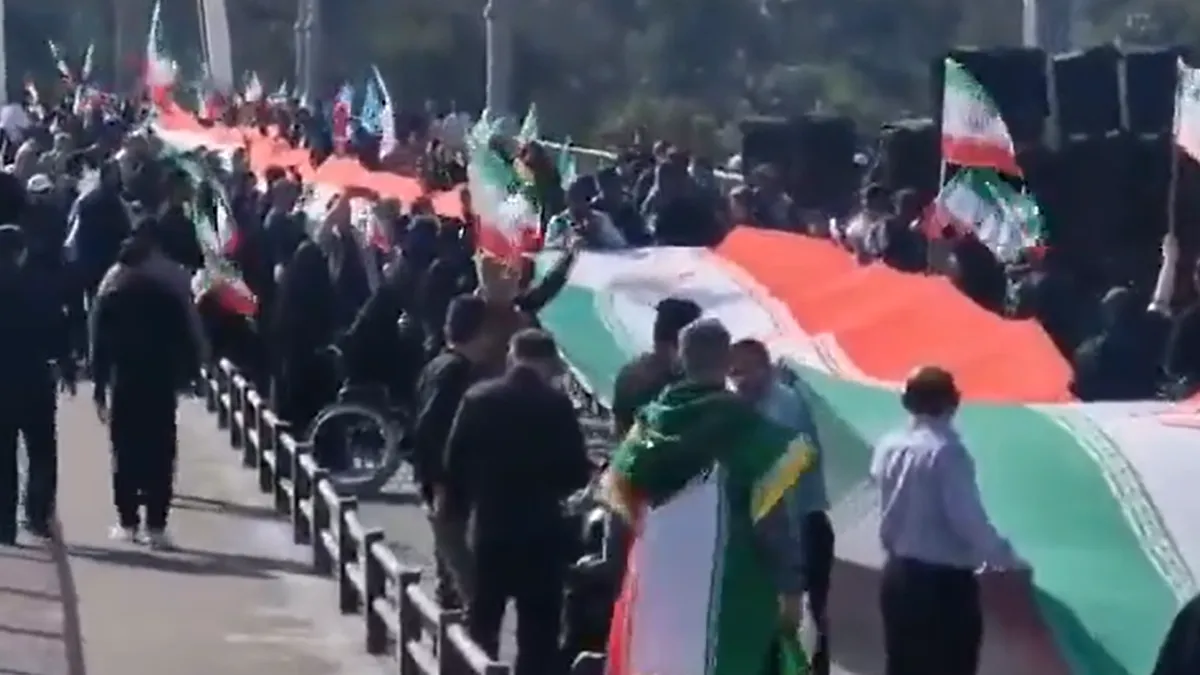
In the backdrop of these developments, Iran has reportedly fortified its military positions and called for citizens to protect vital infrastructure. A human chain was formed near power plants in Iran as a show of unity against potential attacks.
Israel has also been actively involved, with Prime Minister Benjamin Netanyahu announcing that Israeli military operations were targeting Iranian infrastructure, including bridges and railways that are vital for transporting military supplies. These strikes also include locations critical for Iran's oil exports.
Reports from various news agencies indicate that Iranian officials and civilians are anxiously monitoring the developments, with many taking to social media platforms to voice their concerns. The situation continues to escalate, with Iran’s Foreign Ministry outright rejecting the U.S. ceasefire proposal, calling it insufficient. They warned that the continued U.S. military presence in the region poses a significant threat.
As tensions rise, the United Nations Security Council is expected to convene for an urgent vote on a resolution that addresses Iran’s threats. Diplomatic efforts are reportedly ongoing, with Pakistan attempting to mediate in the conflict.
The coming hours are critical as both nations await the other's moves, with the potential for a significant conflict looming over the Strait of Hormuz, a vital waterway for global oil trade. The IRGC has warned that if provoked, Iranian military responses would extend beyond their borders, marking a significant escalation in regional hostilities.

Kerala Initiates Probe into 2006 Suicide Case Involving CEC

Extradition of Sheikh Hasina Feasible, Says Indian High Commissioner

Punjabi Makeup Artist Mad Sandhu Shot Dead in Amritsar

India Achieves Fourth Place at Asian Games 2026 Through Late Success