Trump says Putin wants to end Ukraine war as U.S. prepares fresh talks with Kyiv


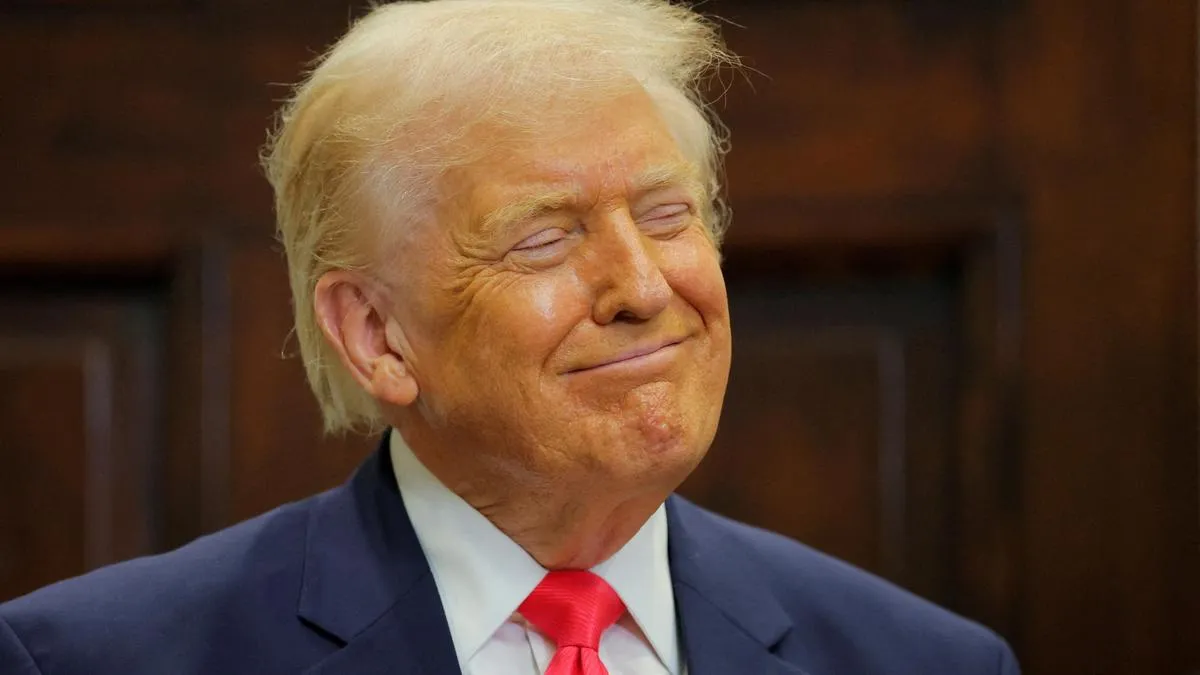
President Donald Trump said on Wednesday that his representatives left Moscow with the impression that Russia’s leadership was open to halting the conflict, which has continued for nearly four years. His comments followed overnight talks at the Kremlin between Russian President Vladimir Putin and two senior U.S. negotiators, Steve Witkoff and Jared Kushner, who is also Mr Trump’s son-in-law.
The discussions, which stretched into the early hours, were aimed at testing the viability of an updated U.S. proposal to end what has become Europe’s most destructive conflict since the Second World War. According to U.S. officials cited by international media, the proposal includes Ukraine ceding some territory in the eastern Donbas region still under its control, and accepting restrictions on joining the NATO alliance.
The Kremlin said on Wednesday that although the talks were substantive, significant differences remained. Russian officials described several elements of the U.S. plan as unacceptable. Kremlin aide Yuri Ushakov, who was involved in the discussions, said the tone and direction of the negotiations were shaped by what he called recent gains made by Russian forces on the battlefield.
“The progress and nature of the negotiations were influenced by the successes of the Russian army in recent weeks,” he told reporters, adding that Moscow’s position had been strengthened.
Despite the impasse, the Russian government stressed that it had not dismissed the entire proposal and remained open to further diplomacy. Kremlin spokesperson Dmitry Peskov said Russia was willing to continue meetings “as many times as needed” to reach a settlement.
President Trump, speaking to reporters in Washington, said that although no agreement had been reached, he was encouraged by the atmosphere of the talks. “I thought they had a very good meeting yesterday with President Putin,” he said. When asked whether his envoys believed Mr Putin genuinely wanted the conflict to end, he replied: “He would like to end the war. That was their impression.”
Mr Trump added that the Ukrainian government was broadly supportive of the U.S. proposal, though he suggested Kyiv should have embraced earlier opportunities to reach a compromise. He referred to a tense encounter with Ukrainian President Volodymyr Zelenskyy at the White House in February, saying that was the moment Ukraine had “no cards” and could have advanced a deal.
With negotiations in Moscow yielding no immediate path forward, U.S. officials said Mr Witkoff and Mr Kushner would meet Ukraine’s chief negotiator, Rustem Umerov, in Florida on Thursday to continue discussions.
In Kyiv, President Zelenskyy said international diplomacy had created “an opportunity to end the war”, but stressed that any progress depended on sustained pressure on Russia. Speaking in his nightly address, he stated: “The world now clearly feels that there is an opportunity to end the war, and the current activity in negotiations must be supported by pressure on Russia.”
The renewed diplomatic push comes as NATO members prepare major arms purchases from the United States intended to bolster Ukraine’s defences. NATO Secretary-General Mark Rutte said that while it was encouraging to see negotiations underway, Ukraine must maintain the strongest possible position on the battlefield.
Russian forces have continued to press forward in the east, taking advantage of what analysts describe as Ukrainian shortages in manpower and ammunition. Earlier this week, Moscow said it had seized control of Pokrovsk, a strategically significant city in the Donetsk region. Ukrainian military units still operating inside the city have said fighting continues in parts of the urban area.
European governments have expressed concern that Washington and Moscow might arrive at political understandings without fully consulting allies, particularly on issues that could affect European security. Several governments have spent recent weeks attempting to influence the U.S. plan to ensure it does not compel Ukraine to make concessions they view as unacceptable.
Context
The conflict in Ukraine, which began with Russia’s full-scale invasion in February 2022, has reshaped Europe’s security landscape and sparked wide-ranging political, economic and humanitarian repercussions. Diplomatic initiatives have repeatedly stalled amid disagreements over territory, security guarantees and Ukraine’s potential membership of NATO. The current U.S. proposal, which would require Kyiv to surrender some internationally recognised territory, reflects a shift in Washington’s approach as the conflict approaches its fourth year with high casualties on both sides and ongoing uncertainty over Western military support.
Kerala Initiates Probe into 2006 Suicide Case Involving CEC

Extradition of Sheikh Hasina Feasible, Says Indian High Commissioner

Punjabi Makeup Artist Mad Sandhu Shot Dead in Amritsar
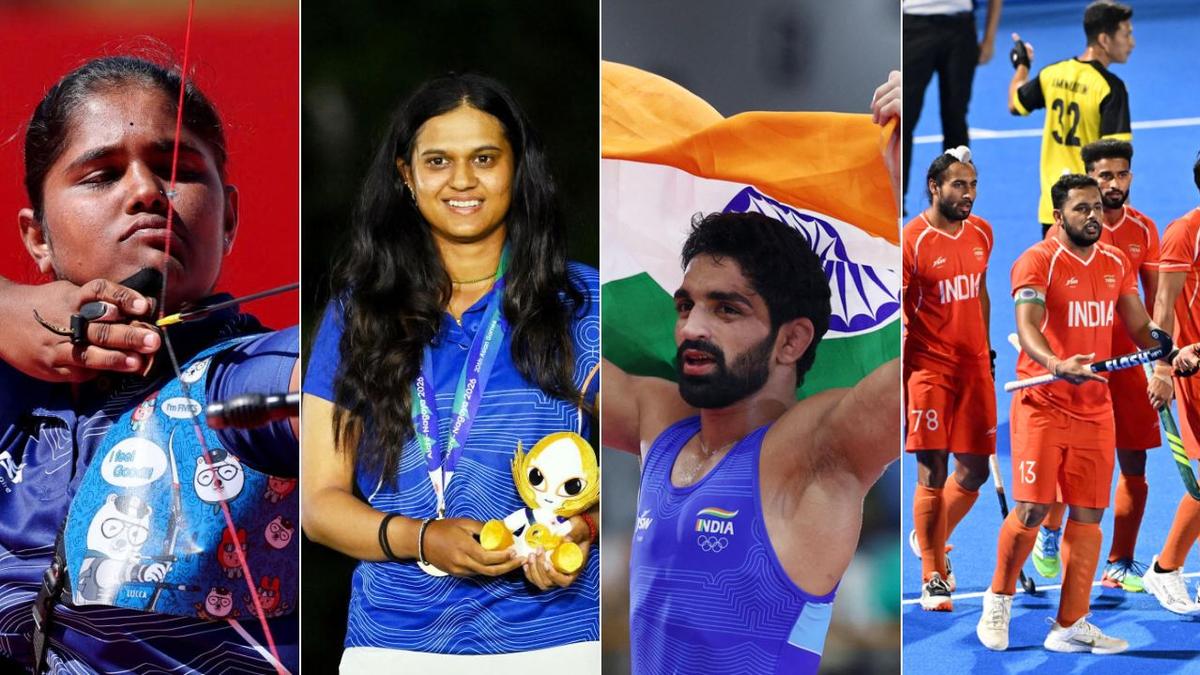
India Achieves Fourth Place at Asian Games 2026 Through Late Success