Understanding Minnesota's Somali Community Amid Trump's Remarks


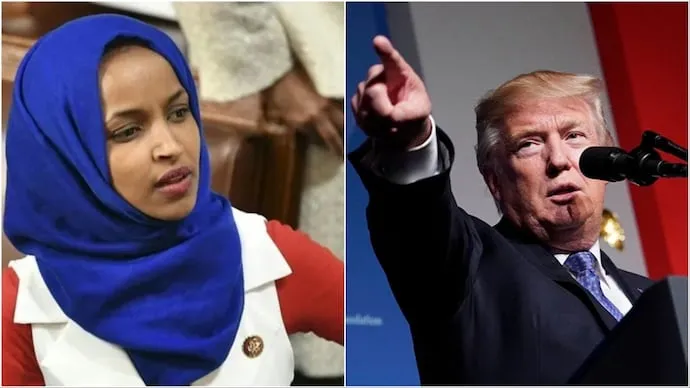
Minnesota's Somali community, which numbers approximately 80,000, has recently attracted national attention due to comments made by former President Donald Trump, who referred to Somali immigrants as "garbage". This statement has reignited discussions about why Minnesota has become a significant hub for Somali immigrants in the United States.
Historical Context
The roots of the Somali population in Minnesota can be traced back to the late 1990s when civil unrest and warfare forced many to flee their homeland. The initial wave of refugees found employment opportunities in places like Marshall, Minnesota, particularly in meat-packing plants. As word spread about job availability, more Somalis migrated to Minnesota, seeking a stable life amidst turmoil.
Chain Migration
As early arrivals established themselves, they began to bring their families over, creating a self-sustaining migration pattern. This chain migration allowed new arrivals to integrate more smoothly into society, as they had access to established social networks, cultural resources, and community support. These networks included mosques, halal markets, and community centres, which facilitated a sense of belonging and ease in adapting to a new environment.
Cultural Compatibility
The values of Minnesota's political culture, which emphasise community and social support, resonated well with Somali cultural principles, particularly the concept of 'martisoor', which translates to hospitality. Many Somali refugees found it easier to navigate local services, including education and healthcare, compared to other states.
The Twin Cities' Role
Over the years, the Twin Cities of Minneapolis and St Paul became central to the Somali experience in the United States. Communities such as Cedar-Riverside developed vibrant networks of businesses and organisations that catered not only to the needs of Somali residents but also contributed to the local economy. Today, roughly 78% of Minnesota's Somali population resides in this urban area, where they have established a strong community identity.
Challenges Faced
Despite the successes, the Somali community has faced various challenges, including discrimination and stigma. Issues such as workplace accommodations for religious practices and negative stereotypes have posed difficulties. In the past, some young Somalis were targeted by extremist groups, leading to further scrutiny of the community.
Political Representation
A pivotal moment for Somali Americans came in 2018 when Ilhan Omar was elected as the first Somali-American to serve in the United States Congress. Her election was seen as a significant milestone, affirming the community's presence and influence in American politics. Omar’s rise has been met with both support and opposition, particularly from figures like Trump, who have sought to undermine the community's contributions.
Response to Recent Remarks
In response to Trump's derogatory comments and the renewed focus on immigration enforcement, community leaders have expressed concern and fear. Aj Awed, executive director of the Cedar-Riverside Community Council, highlighted that the community feels targeted and vulnerable. "When you're being targeted by the president of the United States, it's not really a good feeling," he remarked.
Furthermore, reports of impending immigration enforcement operations in Minnesota have exacerbated these fears. Local organisations have begun preparing to educate residents about their rights and provide support in anticipation of increased enforcement activity.
Building Resilience
Despite the challenges posed by political rhetoric and enforcement actions, the Somali community in Minnesota continues to demonstrate resilience. Leaders emphasise the importance of their contributions to various sectors, including business, public services, and education. Community members are committed to fostering a safe and supportive environment, even in the face of adversity.
Conclusion
The story of Minnesota's Somali community is one of resilience, adaptation, and perseverance. As national discussions surrounding immigration and identity evolve, the experiences of Somali Minnesotans serve as a reminder of the complex realities faced by immigrant populations in the United States. Their journey is not defined solely by the challenges they encounter but also by the strong networks and communities they have built over the years.
Kerala Initiates Probe into 2006 Suicide Case Involving CEC
Extradition of Sheikh Hasina Feasible, Says Indian High Commissioner
Punjabi Makeup Artist Mad Sandhu Shot Dead in Amritsar

India Achieves Fourth Place at Asian Games 2026 Through Late Success