Trump Claims Positive Talks with Iran, Denied by Tehran Officials


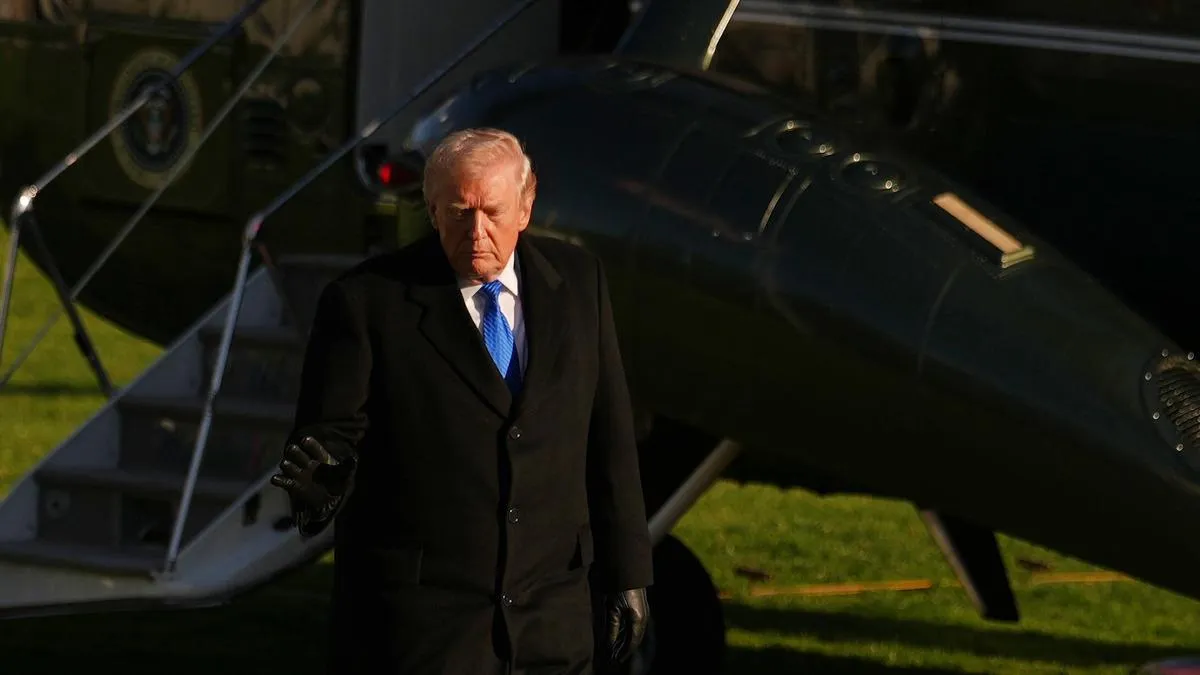
In a recent development, former United States President Donald Trump stated on March 23, 2026, that negotiations with an unidentified Iranian official were progressing well. Trump referred to these discussions as 'very good' while he simultaneously put plans for military strikes on hold. This announcement came as a surprise to many, especially since it followed Trump's ultimatum for Iran to reopen the Strait of Hormuz shipping channel or face severe consequences.
Trump's claims were swiftly denied by Iranian officials, who accused him of attempting to manipulate energy markets for his benefit. Iran's parliamentary speaker, Mohammad Bagher Ghalibaf, asserted on social media that there were 'no negotiations' occurring, explicitly calling Trump's comments a form of manipulation. Furthermore, Esmaeil Baqaei, spokesperson for the Iranian Foreign Ministry, indicated that while there had been messages regarding a possible dialogue, no negotiations had taken place.
As the situation unfolded, Axios reported that U.S. negotiators Steve Witkoff and Jared Kushner might meet with an Iranian delegation in Pakistan within the week, potentially joined by U.S. Vice President J.D. Vance. White House spokesperson Karoline Leavitt remarked that any speculation regarding meetings should wait for formal announcements from the White House.
Tensions in the region are palpable, with Israeli Prime Minister Benjamin Netanyahu confirming a continued commitment to military action against Iran, despite discussions of a potential deal. Netanyahu stated that Trump believes there is an opportunity to leverage military strengths towards an agreement but maintained that Israel intends to strike against Iranian and Hezbollah targets in Lebanon to protect its interests.
On the diplomatic front, Pakistan's Prime Minister Shehbaz Sharif revealed he had engaged in conversation with Iran's President Masoud Pezeshkian, offering Islamabad's assistance in fostering peace in the area.
The volatility of oil prices demonstrated the gravity of the situation as they experienced a significant drop following Trump's statements, indicating market sensitivity to geopolitical events. Leading energy analysts warned of an impending crisis if the current conflict between Iran and the U.S.-aligned countries continues unabated. Fatih Birol, the chief of the International Energy Agency, highlighted that lacking resolution could lead to daily oil losses surpassing the crises of the 1970s and the impact of Russia's invasion of Ukraine.
Iran's military actions have intensified over recent months as retaliation against U.S.-led assaults. Tehran has restricted navigation through the crucial Strait of Hormuz, a vital route for oil transportation, while also increasing strikes on Gulf energy facilities and U.S. diplomatic locations. In the mounting conflict, over 3,230 Iranian fatalities have been reported, including numerous civilian casualties, according to data from the U.S.-based Human Rights Activists News Agency.
With U.S. military assets bolstering their presence, thousands of U.S. Marines are being dispatched to the Middle East amidst speculative scenarios about ground operations. Trump has stressed that an agreement is essential within five days; otherwise, he has threatened to escalate military actions against Iran’s infrastructure significantly.
The ongoing exchanges reflect a complex and precarious situation where attempts at diplomacy are met with immediate military responses and longstanding geopolitical tensions, leaving the international community to watch closely as events unfold.
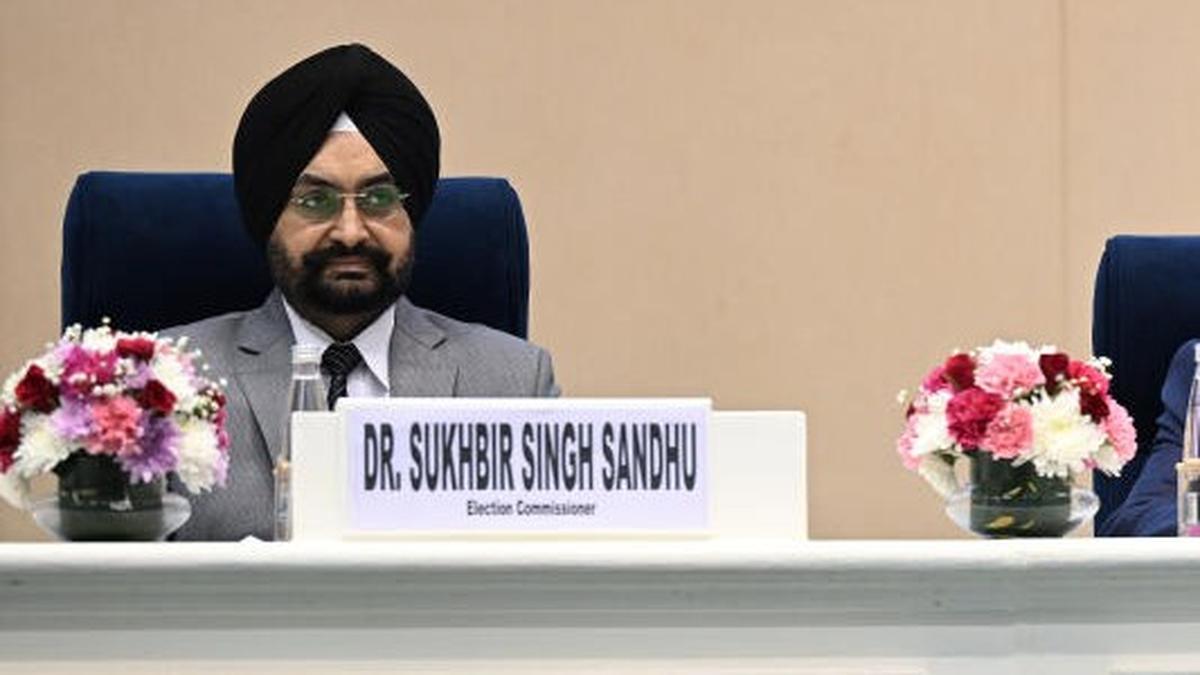
Concerns Rise Over Delhi Voter Registration Discrepancies
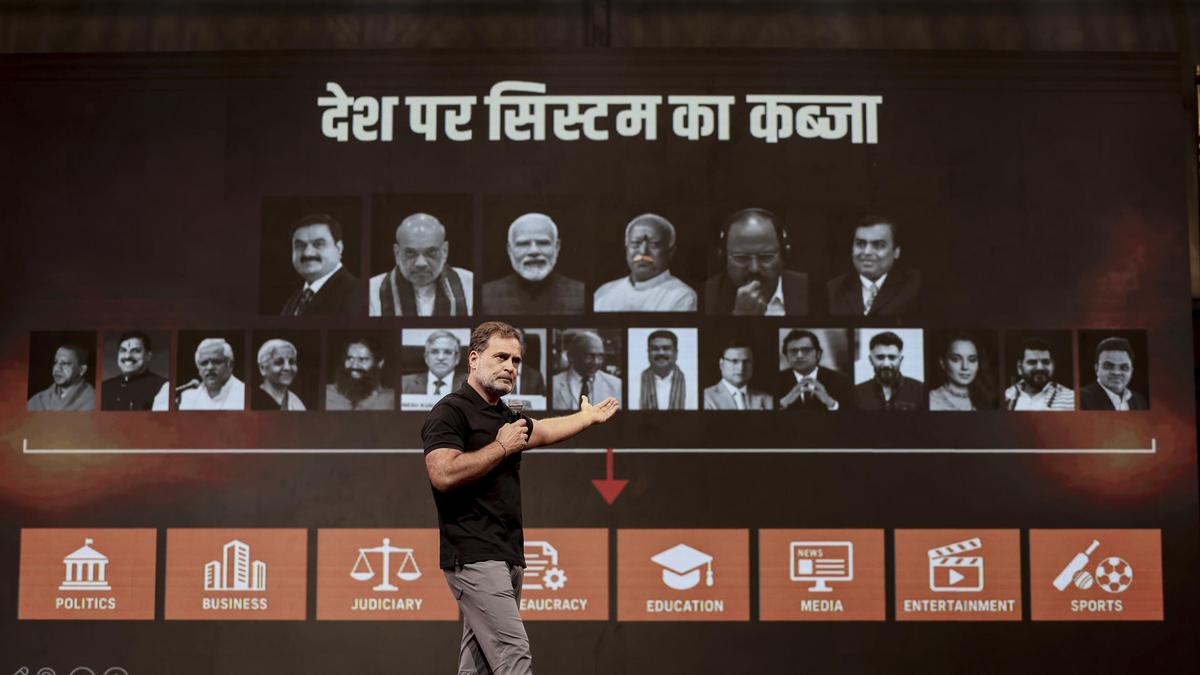
Controversy Erupts Over Rahul Gandhi's PM Modi Mimicry at Event

Father of IIT Bombay Student Calls for Action Against Discrimination

India and Japan Conduct Joint Air Exercise 'Veer Guardian-2026'