Iran Responds to Trump's Postponed Energy Threat Amid Tension


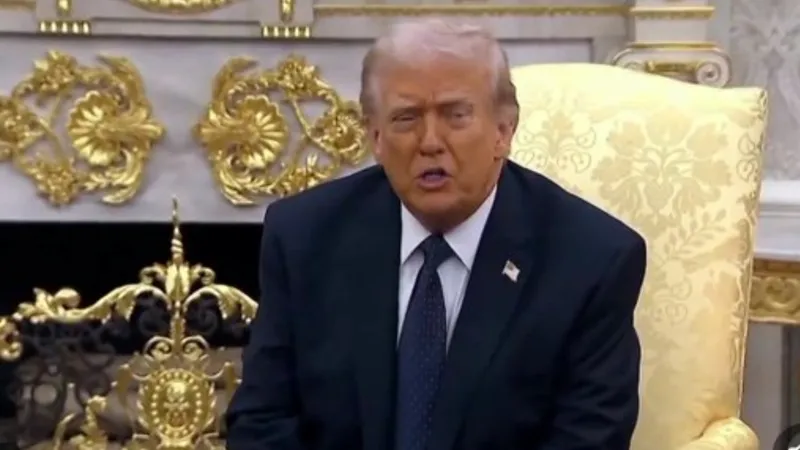
A complex wave of reactions has emerged in Iran following United States President Donald Trump's decision to postpone a planned military strike on the country's energy infrastructure. Trump cited positive discussions with Iranian officials, a claim that Tehran promptly denied.
Despite the temporary relief felt by many Iranians, apprehension remains high regarding the potential for future conflict. Turkish Foreign Minister Hakan Fidan and Omani Foreign Minister Badr Albusaidi have reportedly engaged in diplomatic efforts to ease tensions, though the ultimate impact of these discussions remains uncertain.
Reformist Iranian writer Ahmad Zeidabadi expressed significant concern over the situation, describing Trump's threats as potentially catastrophic if carried out. He warned that an attack on Iran's power supply could result in widespread chaos and suffering, particularly for the country’s most vulnerable populations, and stated that failure by the international community to intervene could lead to a dire humanitarian crisis. He notably remarked that US intervention could turn the Middle East into an 'unimaginable hell'.
A sentiment of dread permeates Iranian society, amplified by concerns over Trump’s unpredictable approach to international relations. Yousef Pezeshkian, son of Iran's president, suggested that the ramifications of attacking Iran’s infrastructure would be reciprocal and ultimately detrimental to the United States as well.
International lawyer Reza Nasri pointed out the strategic implications of such an attack, highlighting the lack of oversight in US military decisions and raising ethical concerns about premeditated strikes on civilian infrastructure.
Energy expert Mohammad Enayati noted that Iran's energy grid, consisting of a diversified network with a capacity of 100,000 megawatts, would be a challenging target to disrupt entirely through airstrikes. He explained that Iran's largest power plants, while vital, represent a small fraction of the nation’s overall energy capacity.
As millions of Iranians prepare for the seasonal spring holiday, the urgency surrounding the potential for conflict remains. Some experts and analysts hold a view that the US’s military posturing could be aimed at broader geopolitical objectives concerning strategic waterways, particularly the Strait of Hormuz, a crucial transit point for global oil shipments.
Former Iranian ambassador to the UK Mohsen Baharvand stated that attacks on civilian infrastructure would only exacerbate already strained international relations. He emphasised that any military actions taken against civilian facilities would be considered a grave infringement of human rights.
Authorities in Iran have made it clear that any strike against their energy infrastructure would not go unanswered. The Revolutionary Guards have issued warnings of retaliation targeted at Gulf states' energy facilities, indicating a significant escalation could follow any military action by the US.
Amidst this geopolitical tension, commentators within Iran are raising alarms about the prospective implications of increased military presence by the US in the region, particularly regarding critical infrastructure such as Kharg Island, which plays a pivotal role in Iran's oil export capabilities.
The backdrop of this situation continues to reflect deep-rooted anxieties among Iranian citizens, many of whom are closely monitoring how the evolving landscape of US-Iran relations will unfold in the coming days. The president’s decisions remain under scrutiny, and many in Iran are hoping for a peaceful resolution to avoid the devastating consequences of military action.
Concerns Rise Over Delhi Voter Registration Discrepancies
Controversy Erupts Over Rahul Gandhi's PM Modi Mimicry at Event

Father of IIT Bombay Student Calls for Action Against Discrimination

India and Japan Conduct Joint Air Exercise 'Veer Guardian-2026'