Trump Announces $12 Billion Aid Package for Struggling Farmers


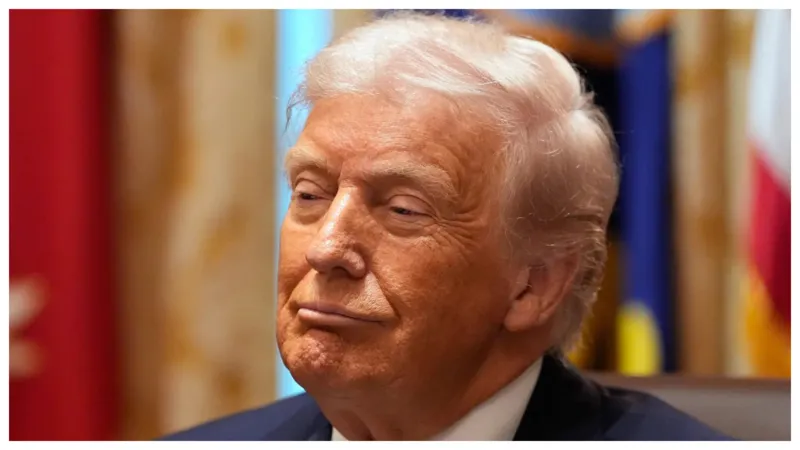
United States President Donald Trump has introduced a substantial $12 billion aid package aimed at assisting American farmers who are facing significant financial difficulties due to ongoing trade disputes, particularly with China. The announcement was made during a roundtable event at the White House on Monday, which included Agriculture Secretary Brooke Rollins and various lawmakers from agricultural regions. Farmers present expressed gratitude for the support, viewing it as a necessary lifeline in challenging times.
"With this bridge payment, we’ll be able to farm another year," remarked Cordt Holub, a farmer from Iowa, highlighting the immediate relief the package offers to those struggling with market losses. Of the total funding, $11 billion is allocated for one-time payments to producers of row crops, while an additional $1 billion is designated for specialty crops, as officials work to assess the pressures faced by these farmers.
Rollins indicated that the aid is expected to be distributed before the end of February, with payments based on a formula from the United States Department of Agriculture (USDA) that considers estimated production costs. Each farm or individual could receive compensation, capped at $155,000, with eligibility limited to those earning less than $900,000 annually. This restriction aims to ensure that larger commercial farms do not dominate the aid distribution, addressing a concern raised during Trump’s previous term.
The political implications of this package are significant, as farmers have traditionally been key supporters of Trump. However, the volatility surrounding his tariff policies has generated frustration within the agricultural community. As part of his strategy to address economic concerns, Trump is scheduled to visit Pennsylvania to discuss affordability, a growing issue among voters.
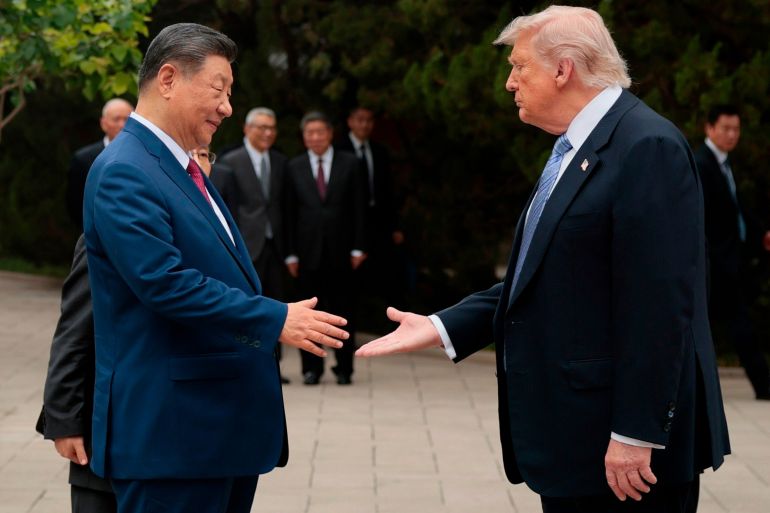
The soybean and sorghum sectors have been particularly hard-hit by trade tensions, as over half of their crops are typically exported, predominantly to China. Following a meeting between Trump and Chinese President Xi Jinping in South Korea, the White House announced that China committed to purchasing a minimum of 12 million metric tonnes of US soybeans by the end of the year, with a goal of 25 million metric tonnes annually for the following three years. However, as of now, China has only procured about 2.8 million metric tonnes, significantly below the promised amount. Treasury Secretary Scott Bessent has stated that China is expected to meet its target, but the timeline has shifted to the end of February, two months later than initially anticipated.
While the $12 billion aid package is substantial, farmers express that it is merely a temporary solution rather than a fix for the underlying issues of escalating costs and unpredictable market conditions. Caleb Ragland, a Kentucky farmer and president of the American Soybean Association, noted, "That’s a start, but we need to explore other funding opportunities and aim to revitalise our markets to ensure sustainable livelihoods."
Young farmers and those who rent land are particularly vulnerable, lacking the equity necessary to secure loans. Many are concerned about the potential for industry consolidation if smaller farms are unable to survive this economic strain. Iowa farmer Robb Ewoldt, who only owns a fraction of the land he cultivates, is contemplating selling equipment and taking on additional work to support his family. "I don’t want to saddle my child with the kind of stress my wife and I are currently facing," he stated, illustrating the personal toll of the financial pressures.
Conversely, some farmers, like fourth-generation Minnesota farmer Darin Johnson, remain optimistic about their ability to weather this storm, citing established operations with sufficient equity to continue borrowing as needed.
In addition to the farm aid announcement, Trump is under increasing scrutiny regarding rising beef prices. He has accused foreign-owned meat packers of manipulating prices and has called for an investigation by the Department of Justice into potential anti-competitive practices within the food supply chain. An executive order signed on Saturday mandates the examination of pricing behaviour across various sectors, including fertiliser and equipment.
As the USDA prepares to finalise payments and support mechanisms, the agricultural community remains hopeful that the aid will provide some relief while broader market conditions are addressed. The coming months will determine the effectiveness of this package in stabilising an industry facing unprecedented challenges.
Chinese President Xi Jinping Begins State Visit to Washington
Jaishankar Discusses US Tariff Concerns with Secretary Rubio
US and China Leaders Discuss AI Rivalry Amid Global Concerns
Russian Drone Strikes Kyiv, Donetsk Following Zelenskyy-Trump Talks