South Korea Scrambles Fighter Jets Amid Russian and Chinese Activity


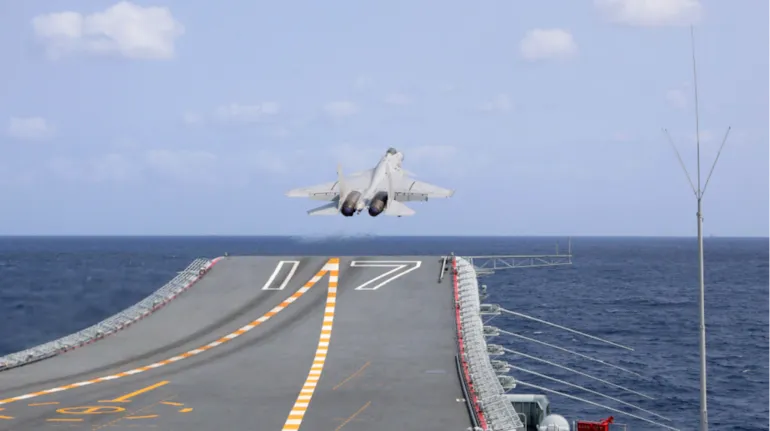
South Korea's military confirmed on Tuesday that it dispatched fighter jets after seven Russian and two Chinese military aircraft entered its air defence identification zone. The incident occurred at approximately 10 AM local time (0100 GMT), according to a statement from Seoul's Joint Chiefs of Staff.
The aircraft did not breach South Korean airspace, the officials noted. In response to the incursion, the South Korean military took precautionary measures by deploying fighter jets to prepare for any potential situations. The foreign planes reportedly remained in the air defence identification zone for about an hour before departing, as reported by the Yonhap News Agency.
The Korea Air Defence Identification Zone (KADIZ) is a designated area where countries monitor aircraft for security purposes, although it does not equate to national airspace. The recent event is part of a pattern, as both China and Russia have consistently flown military aircraft into this zone without prior notification, citing joint military exercises as the rationale.
This is not the first occurrence of such military activity. In November last year, South Korea scrambled jets in response to a combined incursion by five Chinese and six Russian military planes. Similar incidents took place in June and December 2023, as well as in May and November 2022. Beijing and Moscow have labelled these operations as "joint strategic air patrols."
The growing frequency of these flights underscores the deepening military cooperation between China and Russia, particularly in the wake of Russia's military actions in Ukraine that began nearly four years ago. Both nations share historical ties with North Korea, a country that remains in direct opposition to South Korea.
"The situation remains a significant concern for us, as it demonstrates the ongoing military collaboration between China and Russia in our region," stated a South Korean military official, highlighting the potential implications for regional security.
As tensions continue to escalate in the region, experts suggest that such actions could provoke further military readiness from South Korea and its allies, including the United States. The international community is closely monitoring the developments, recognising the delicate balance of power in Northeast Asia.
Chinese President Xi Jinping Begins State Visit to Washington
Jaishankar Discusses US Tariff Concerns with Secretary Rubio
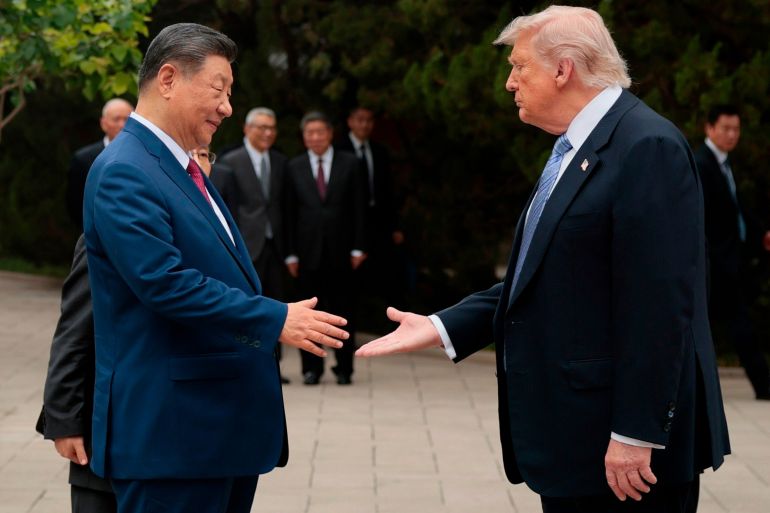
US and China Leaders Discuss AI Rivalry Amid Global Concerns
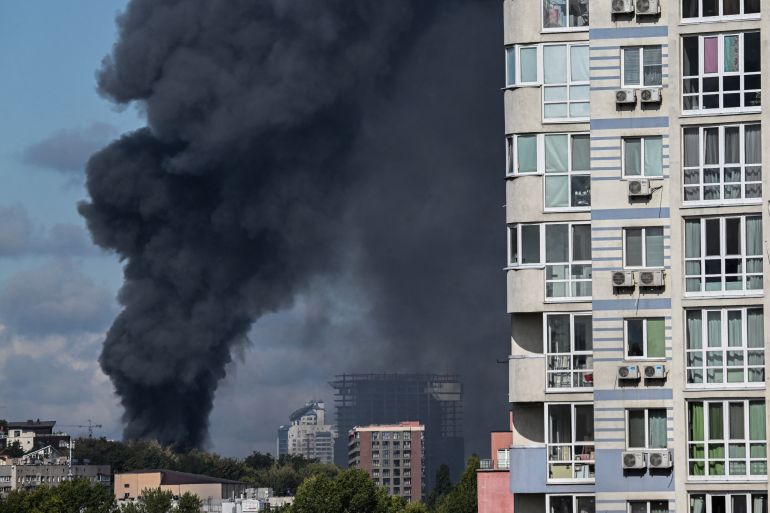
Russian Drone Strikes Kyiv, Donetsk Following Zelenskyy-Trump Talks