Thailand's Airstrikes on Cambodia Threaten Fragile Ceasefire


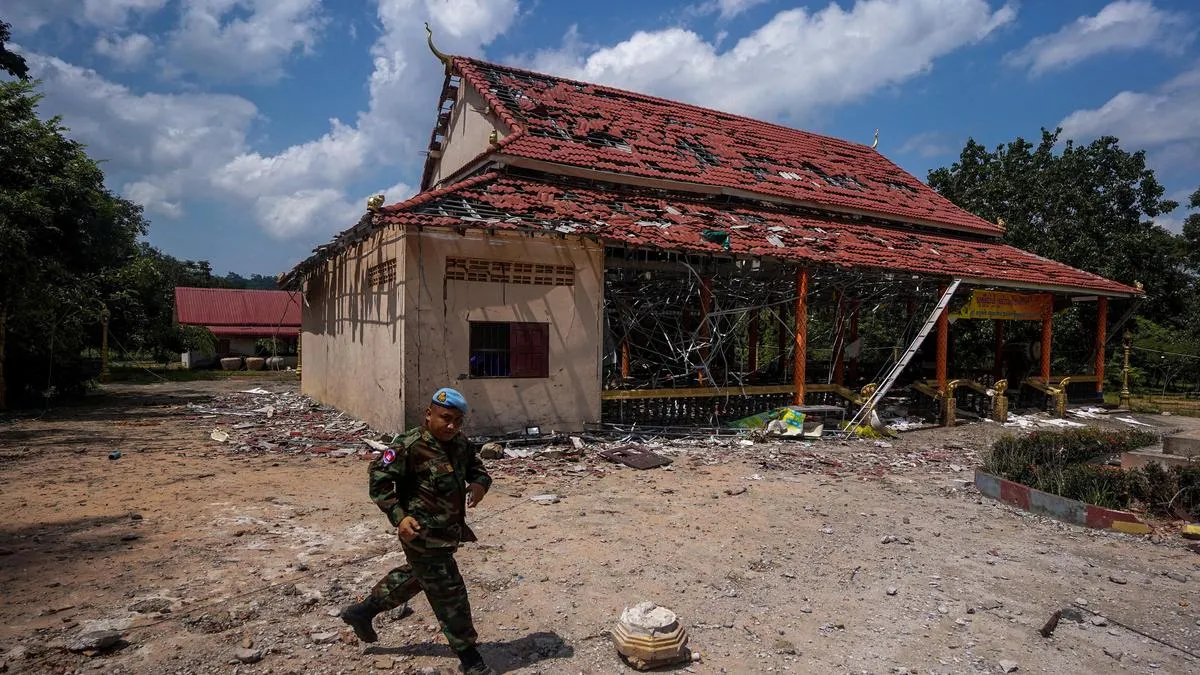
In a significant escalation of hostilities, Thailand conducted airstrikes on Cambodia in the early hours of Monday, undermining a ceasefire agreement established just two months prior under the mediation of former US President Donald Trump. The recent military actions have raised alarms about the potential for a broader conflict in the region.
Background of the Ceasefire
The ceasefire was negotiated following a five-day conflict in July 2025, which resulted in over 43 fatalities and displaced more than 300,000 civilians. In a bid to prevent further violence, Donald Trump intervened, warning both Thai Prime Minister and Cambodian Prime Minister that ongoing tariff negotiations with the United States would be jeopardised unless peace was restored. The ceasefire was formally signed at the ASEAN summit in Kuala Lumpur in late October 2025 and was heralded by Trump as a diplomatic success.
However, the agreement faced immediate challenges. Within days, Thailand halted its implementation, citing injuries to soldiers from landmine explosions allegedly caused by Cambodian forces. This claim has been denied by Cambodia, with both nations blaming each other for the ongoing tensions.
Historical Context of the Conflict
The roots of the conflict are deeply entrenched, stemming from colonial-era disputes over border demarcations established in a 1907 map. The most contentious area is around the Preah Vihear temple, which was awarded to Cambodia by the International Court of Justice in 1962—a decision that remains contentious among many Thais. Periodic clashes have occurred since the 2000s, often exacerbated by military movements or political tensions.
Recent Developments
The renewed violence began around 5 am local time when Thailand accused Cambodian forces of initiating fire across the border in Ubon Ratchathani and Sisaket provinces. Thailand reported casualties among its soldiers as a result of this attack. Conversely, Cambodia claimed that it was Thai forces that first engaged, directing fire towards sacred temple areas.
Following these allegations, Thailand deployed aircraft to target what it described as Cambodian military positions, marking the first use of airpower since the conflict in July. The Royal Thai Air Force reported that the airstrikes aimed at military infrastructure, which it deemed a direct threat to its forces.
Civilian Impact and Evacuations
The ongoing violence has led to mass evacuations on both sides of the border. Thailand has moved approximately 35,000 civilians to shelters, with reports indicating that around 70% of residents in affected areas have been relocated. Similarly, Cambodia has seen significant movements of families fleeing from bordering provinces. Both governments have closed schools and established temporary shelters in response to the escalating situation.
Political Reactions and Future Prospects
In Cambodia, leaders have urged restraint, with prominent figures like former Prime Minister Hun Sen advising military commanders against retaliation while accusing Thailand of provocations. The Cambodian government is attempting to maintain a balance between demonstrating strength and avoiding further escalation.
Thailand, on the other hand, has emphasised its right to respond to perceived threats, highlighting the risk of public backlash if the government is seen as weak in the face of aggression from Cambodia. The Thai Foreign Ministry has expressed concerns about Cambodia’s military manoeuvres, suggesting they pose a systematic threat to Thai security.
Diplomatic Challenges Ahead
The breakdown of the ceasefire poses a significant diplomatic challenge for international stakeholders. The ceasefire was a collaborative effort involving the United States, Malaysia, and China, and its failure highlights the complexities of peace agreements built on external pressure rather than mutual understanding.
As fighting resumes, the future of the conflict will depend on whether both nations can re-establish communication through regional committees and address the deep-seated issues that have long plagued their relationship. Analysts warn that without genuine efforts towards demilitarisation and mine clearance, mistrust will continue to escalate, jeopardising any hopes for lasting peace in the region.
Chinese President Xi Jinping Begins State Visit to Washington
Jaishankar Discusses US Tariff Concerns with Secretary Rubio
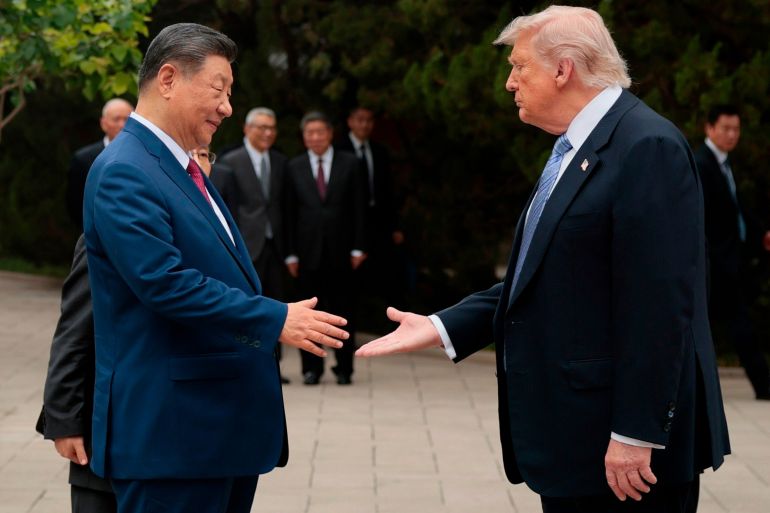
US and China Leaders Discuss AI Rivalry Amid Global Concerns
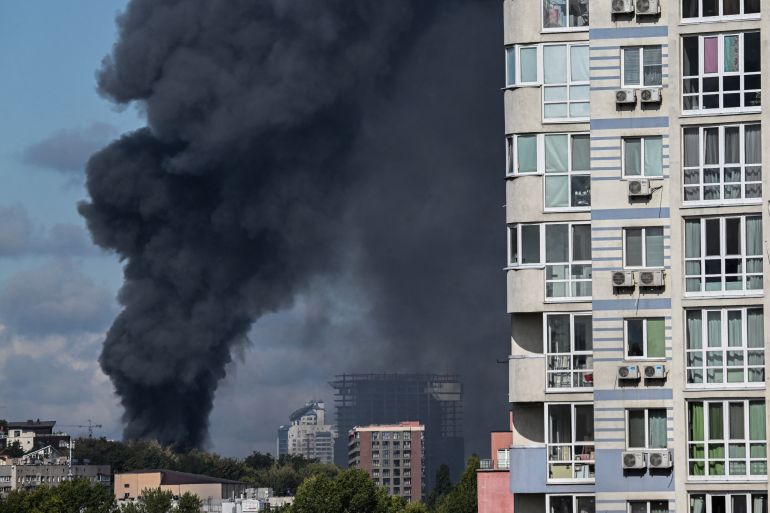
Russian Drone Strikes Kyiv, Donetsk Following Zelenskyy-Trump Talks