Tamil Nadu Chief Minister Requests Changes to VB-G RAM G Act


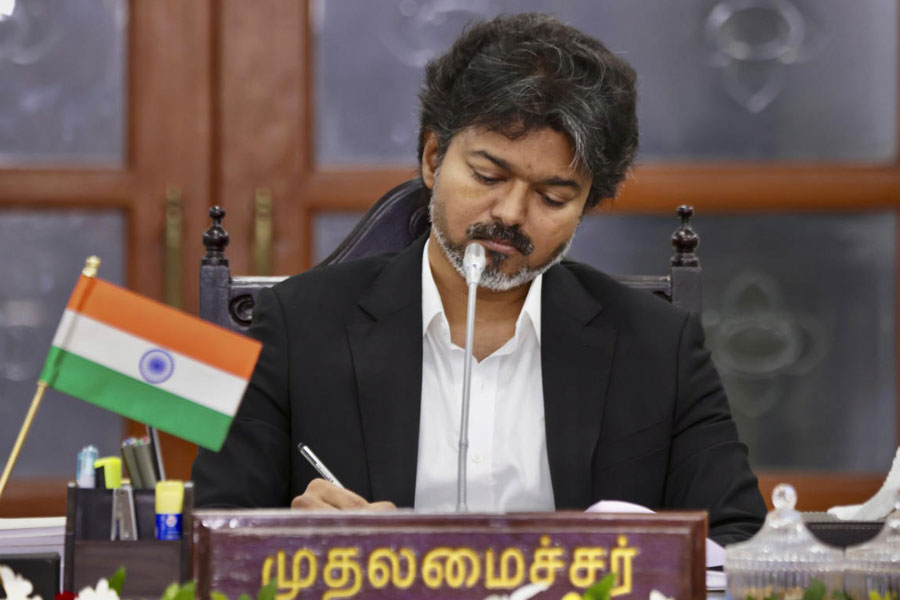
On 1 July 2026, Tamil Nadu Chief Minister C. Joseph Vijay submitted a letter to Prime Minister Narendra Modi, advocating for significant amendments to the Viksit Bharat—Guarantee for Rozgar and Ajeevika Mission (Gramin) (VB-G RAM G) Act, 2025. The Chief Minister expressed concerns regarding the financial implications of the scheme, which commenced on the same day.
Mr. Vijay highlighted that the new guidelines would impose a financial burden exceeding ₹5,000 crore due to a revised sharing pattern and restrictive operational requirements imposed on the Tamil Nadu government. He emphasised that these changes could hinder the effective implementation of essential rural employment programmes.
The financial guidelines under the Act stipulate a 60:40 funding ratio between the Union and State governments for the Wage, Material, and Administrative components of the scheme. The Chief Minister pointed out that this shift represents a significant departure from the long-standing structure of the Mahatma Gandhi National Rural Employment Guarantee Scheme (MGNREGS), which operated differently for two decades. He argued that the new structure places undue strain on the State's finances, potentially reducing available job opportunities and impacting other welfare initiatives.
To address these challenges, Mr. Vijay requested that the government maintain full funding for the Wage and Administrative components, while proposing a 75:25 funding split for the Material component.
Concerns were also raised about the centralised approach to classifying Village Panchayats and distributing funds. The Chief Minister stated that a uniform national strategy overlooks the socio-economic diversity of regions, risking imbalanced distributions. He urged for the State government to have the authority to develop a tailored methodology for intra-State resource allocation that considers local needs.
Additionally, he highlighted the need for flexibility in notifying peak agricultural periods. The Act currently requires a fixed 60-day notification for peak sowing and harvesting times, which does not account for unpredictable climate conditions that can alter agricultural timelines. Instead of a set notification, he recommended allowing District Collectors to determine these periods dynamically based on local conditions.
Mr. Vijay also stressed the importance of extending wage employment support to Tamil Nadu's State housing schemes. While the Act allows for convergence with Union rural housing schemes, it excludes those funded by the State. He noted that including these housing initiatives under the VB-G RAM G framework would further the State's goal of providing housing for all, particularly for underprivileged rural and tribal communities.
Decentralisation of approval processes for convergence of schemes is another concern raised by the Chief Minister. The existing requirement for individual notifications from the Union government could lead to administrative delays. He suggested delegating this authority to the State, ensuring more timely and effective execution of projects.
Mr. Vijay concluded by stating, "Tamil Nadu has consistently been a leader in implementing rural employment guarantees. With these crucial adjustments, the scheme can be executed with a broader strategic vision, maximising its local impact and fostering rural empowerment."
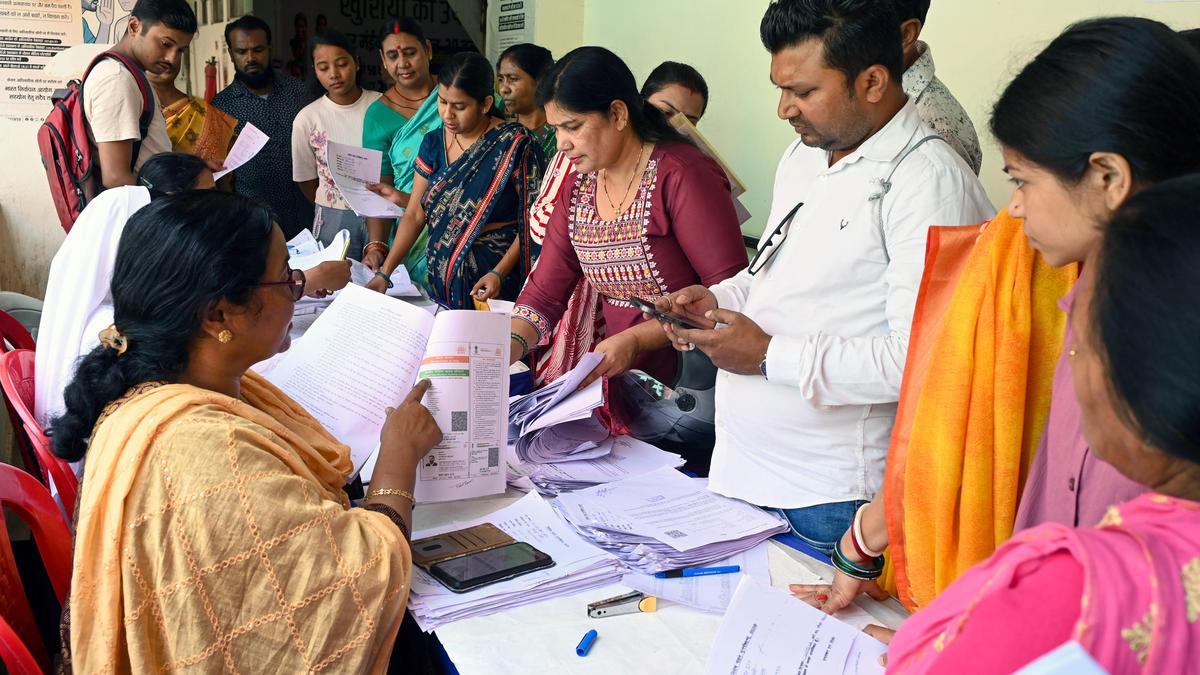
Election Commission Extends Deadlines for Andhra Pradesh and Meghalaya
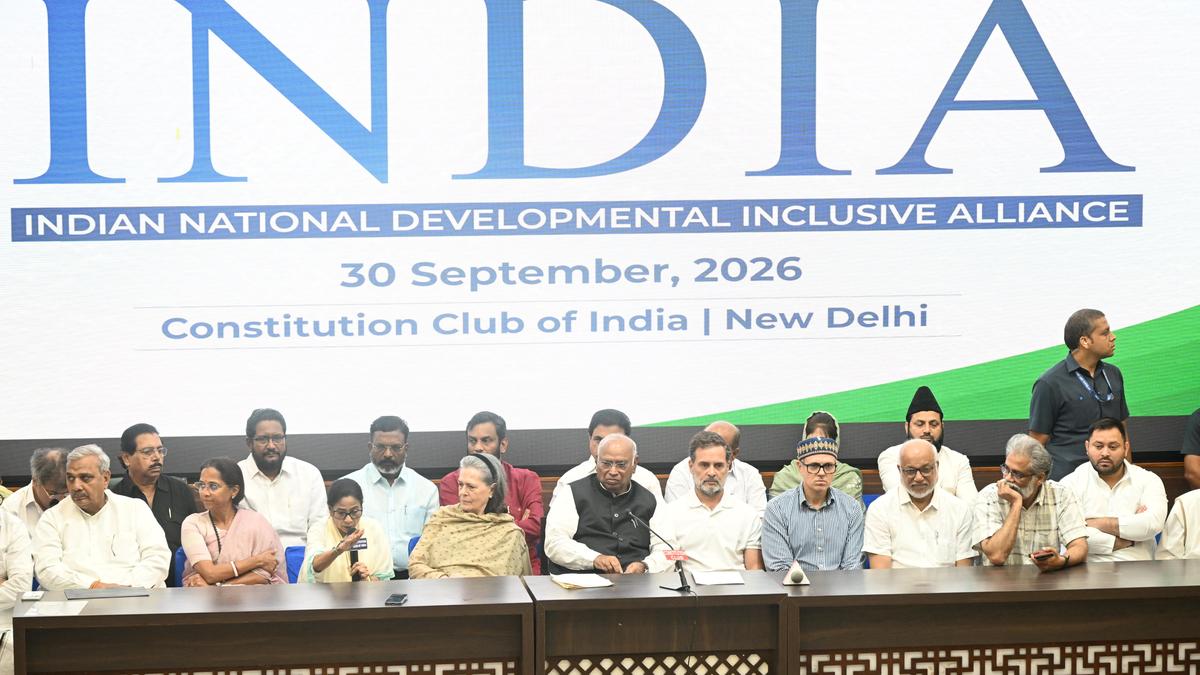
INDIA Bloc Announces Nationwide Campaign Against Chief Election Commissioner
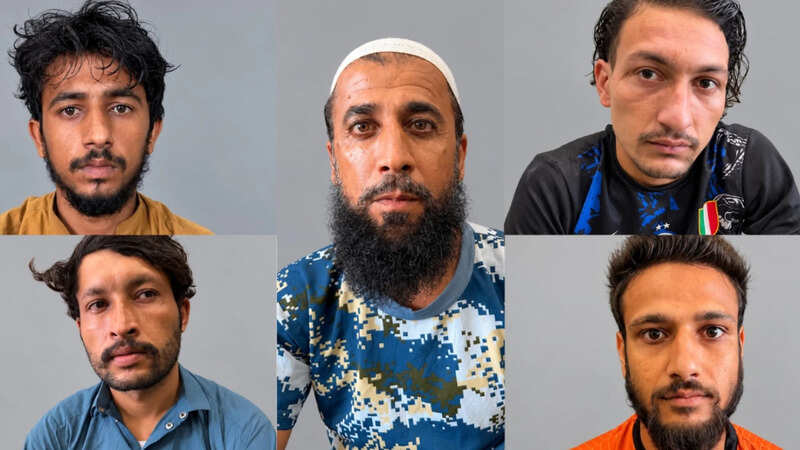
Gujarat Authorities Seize ₹3,000 Crore Worth of Drugs at Sea

Modi and Trump Discuss Bilateral Cooperation in Key Sectors