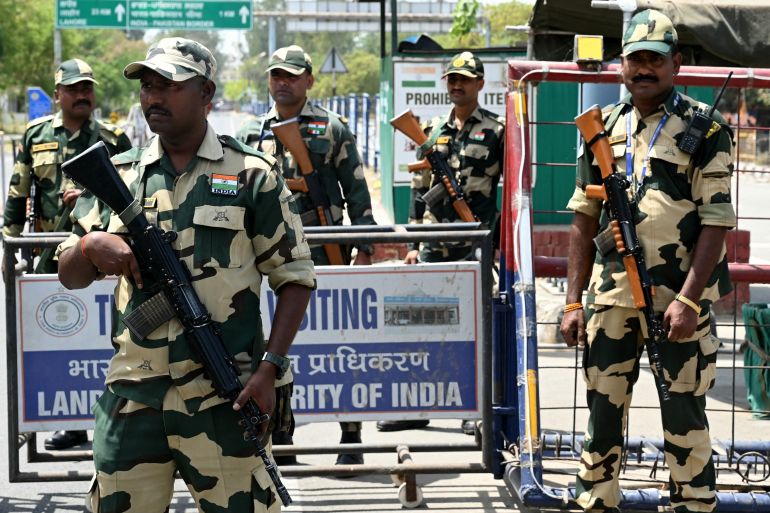
Taliban Signs Major Defence Agreement with Russia Amid Tensions


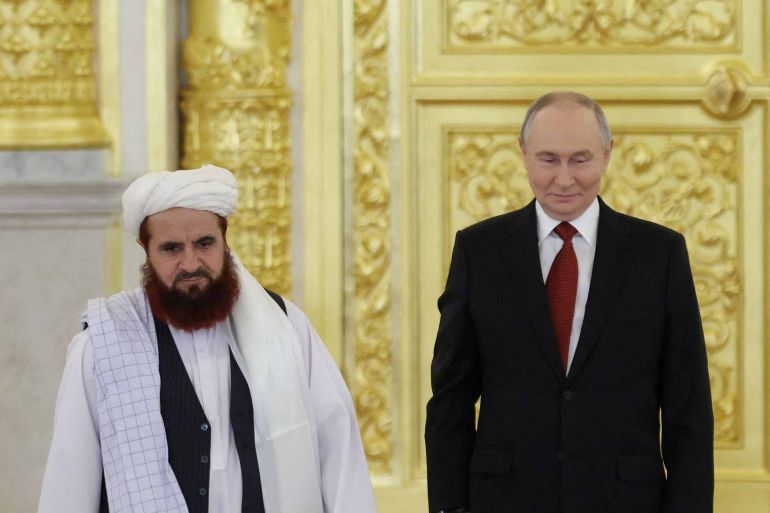
Afghanistan's political landscape is witnessing significant changes as the Taliban strengthens its ties with Russia through a new defence agreement. This agreement, which was formalised on May 27, represents the most substantial military collaboration since the Taliban regained power in 2021. This comes at a time when relations between Afghanistan and its neighbour, Pakistan, have deteriorated considerably, especially following military actions in Afghanistan earlier this year.
In February, Pakistan launched a military operation targeting several Afghan cities, including Kabul and Kandahar. This operation was supported by the United States, which termed it Pakistan's 'right to defend itself.' Following these events, the Taliban leadership has increasingly turned towards Russia to enhance its strategic partnerships. Since the Taliban's return to power, Russia has been expanding its diplomatic and economic presence in Afghanistan, eventually being the first nation to officially recognise the Taliban-led government.
While the specific details of the May 27 agreement have not been publicly disclosed, it has been characterised by officials from both countries as focused on the maintenance and restoration of Soviet and Russian military equipment that remains in Afghanistan. This includes a fleet of Mi-17 helicopters, acquired initially by the United States and NATO to support the former Afghan Air Force. The military hardware still prevalent in Taliban arsenals largely traces back to acquisitions made during the Soviet-Afghan War and subsequent conflicts leading up to the Taliban's takeover after the U.S. withdrawal in 2021.
The signing of the agreement saw Afghanistan's Defence Minister, Mawlawi Mohammad Yaqoob Mujahid, engage with Sergei Shoigu, the Secretary of Russia's Security Council. At the event, Mujahid expressed optimism for fostering closer relations between the two nations, stating, 'We hope these interactions will be further strengthened.' He highlighted the extensive damage Afghanistan has incurred over four decades of conflict and underscored the pressing economic and humanitarian issues that remain due to international sanctions.
Russia has expressed a desire to support Afghanistan’s stability and efforts against terrorism and drug trafficking. Shoigu remarked, 'We are interested in Afghanistan becoming a united, independent, and peaceful country.' Political analyst Abdul Basir Basirat noted the significance of such agreements in ensuring regional security and safeguarding mutual interests.
Both Kabul and Moscow maintain that their recent collaboration is strictly of a technical nature and not a traditional security pact. Mujahid stated that the agreement is designed to enable Afghanistan to effectively utilize its existing Russian military assets. He affirmed, 'Our policy is that Afghanistan poses no threat to any country in the world.' The Defence Minister further insisted that developments in Afghanistan's military sphere aim to bolster regional cooperation.
Zamir Kabulov, Russia’s special presidential envoy for Afghanistan, reiterated that the agreement is centred on repairing and maintaining existing military equipment, rather than establishing a new adversarial alliance. Recent statements from representatives have indicated that Afghanistan’s inventory includes over 100 Mi-17 helicopters and 30,000 KamAZ trucks, among other military vehicles produced in Russia.
The backdrop to this emerging cooperation lies in shared security threats posed by extremist groups like the Islamic State Khorasan Province (ISKP). Both Russia and the Taliban identify ISKP as a critical adversary, feared for its transcendence across South and Central Asia. The Taliban's struggles to combat ISKP demonstrate the regime's limited counterterrorism capacities amidst ongoing political and economic challenges.
However, some analysts express skepticism regarding the long-term implications of the new agreement. Critics argue that whilst Afghanistan engages with global powers such as Russia, the foundational challenges of legitimacy continue to loom large. The Taliban government struggles to gain international recognition and acceptance due to its perceived lack of domestic legitimacy.
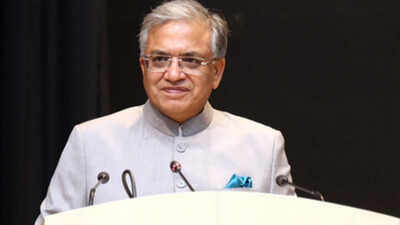
Kerala Initiates Probe into 2006 Suicide Case Involving CEC
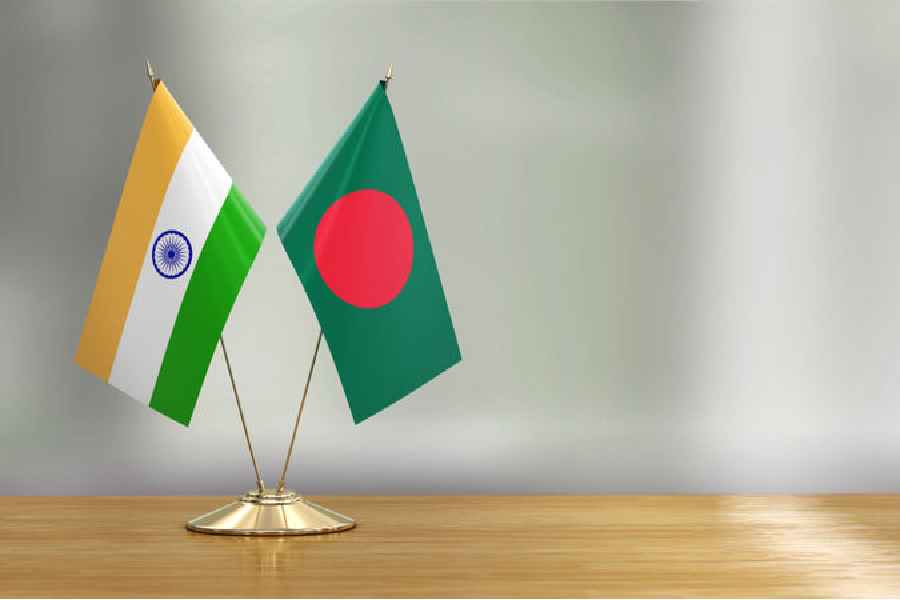
Extradition of Sheikh Hasina Feasible, Says Indian High Commissioner

Punjabi Makeup Artist Mad Sandhu Shot Dead in Amritsar
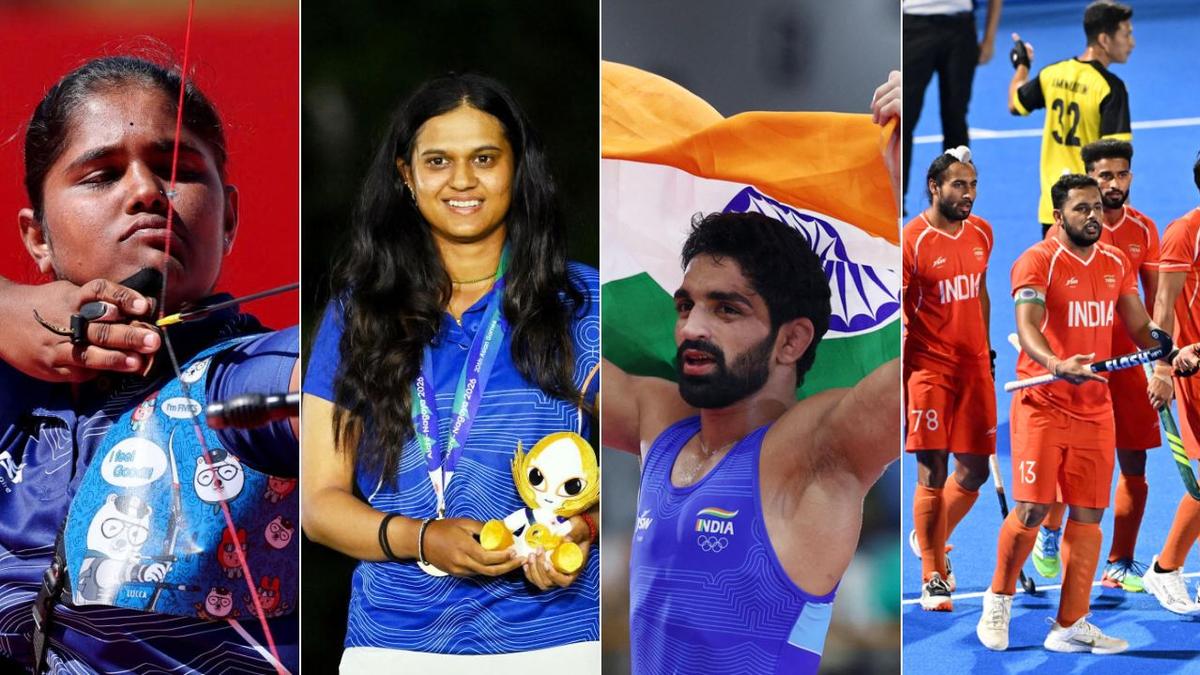
India Achieves Fourth Place at Asian Games 2026 Through Late Success