India Increases LPG Supplies Amid Hormuz-Linked Concerns


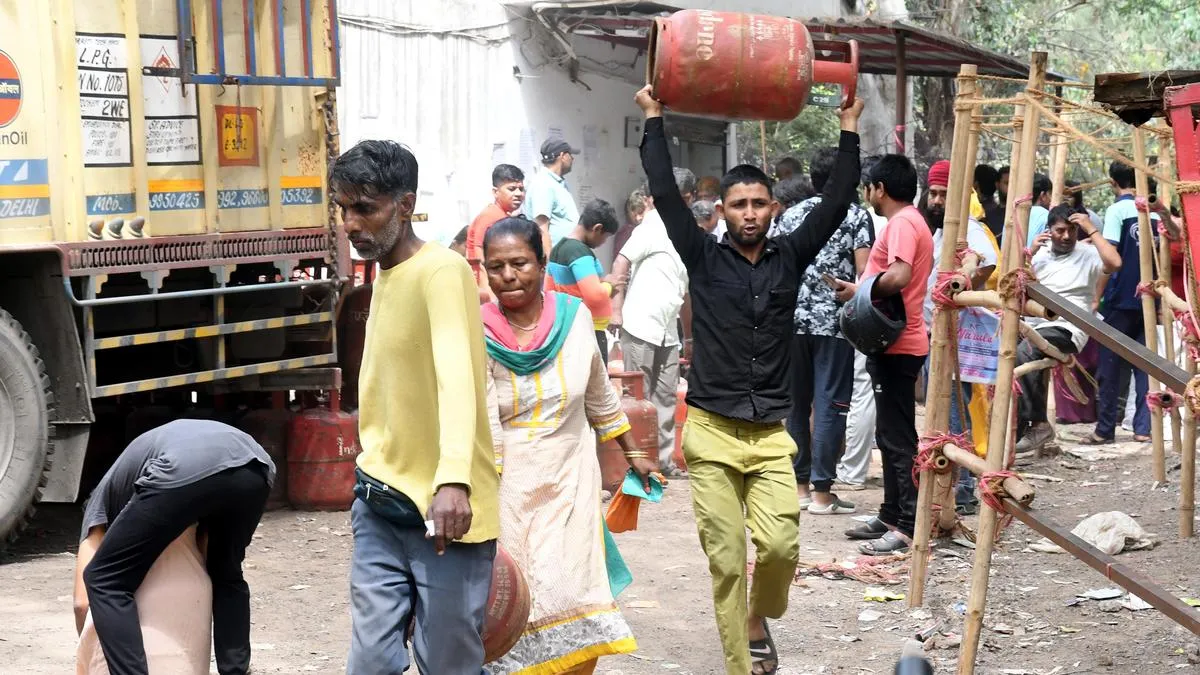
In response to growing concerns over potential disruptions in oil supplies linked to geopolitical tensions in the Strait of Hormuz, the Indian government has announced measures to ensure the continuity of liquefied petroleum gas (LPG) and other fuel supplies. The Ministry of Petroleum and Natural Gas reported that there has been a significant increase in the sale of small 5-kilogram LPG cylinders, referred to as FTL (Flat-Rate) cylinders. Approximately 660,000 of these cylinders have been sold since March 23, 2026, with more than 90,000 sold on April 4 alone.
The smaller FTL cylinders are available for purchase without the need for address proofs, simplifying access for consumers. In contrast, the larger 14.2-kilogram domestic cylinders are subsidised and require additional documentation. The government's proactive approach includes ensuring that there are no shortages at distribution points, with over 5.1 million domestic cylinders delivered on just one day amidst a spike in online bookings, which account for 95% of total demand.
To combat hoarding and black market activities, officials have intensified enforcement actions, executing over 3,700 raids. They have issued around 1,000 notices to LPG distributors, leading to the suspension of 27 establishments.
Additionally, the government has prioritised domestic LPG and piped natural gas (PNG) supplies for households, hospitals, and essential services. It is also facilitating increased refinery output and managing demand effectively by extending LPG refill intervals. Commercial LPG supplies have been restricted to 70% of pre-crisis levels to alleviate pressure on the market.
On the natural gas front, authorities assure that full supplies are being maintained for household use and transportation. Moreover, allocations for industrial and fertiliser sectors are set to increase, bolstered by incoming shipments of liquefied natural gas (LNG). India’s refineries are reportedly operating at peak capacity with substantial crude oil inventories, and petrol stations are fully stocked, thus mitigating fears of fuel shortages.
To protect consumers from the impact of rising global oil prices, the Indian government has recently reduced excise duty on petrol and diesel by 10 rupees per litre. They have also implemented export levies on diesel and aviation fuel to enhance domestic availability. State governments have been urged to monitor fuel distribution closely and counter misinformation, reaffirming the stability of India’s overall energy supplies.
Officials urge citizens to remain calm and rely exclusively on official channels for information, discouraging panic buying of fuels. The Ministry of Petroleum reiterates that current supply chains are secure, with measures in place to ensure continuity even amidst ongoing global events.
Kerala Initiates Probe into 2006 Suicide Case Involving CEC

Extradition of Sheikh Hasina Feasible, Says Indian High Commissioner

Punjabi Makeup Artist Mad Sandhu Shot Dead in Amritsar

India Achieves Fourth Place at Asian Games 2026 Through Late Success