Supreme Court Hears Contempt Petition on Delhi Transit Restrictions


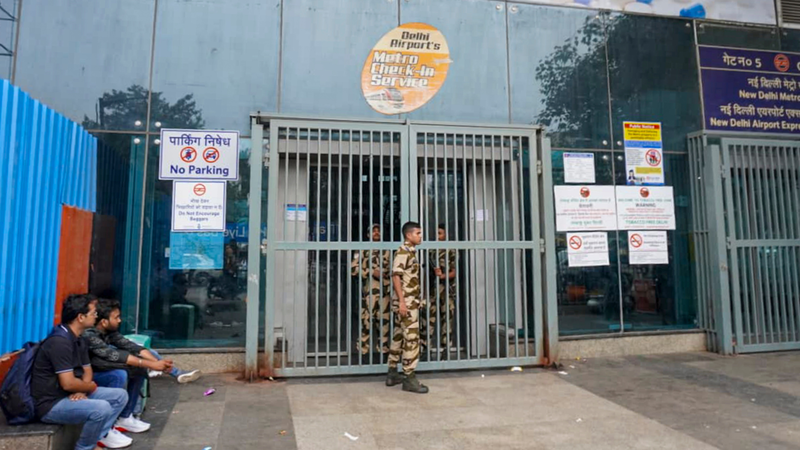
A contempt petition has recently been lodged in the Supreme Court of India, claiming that authorities have violated a court order by continuing to restrict public transport services, particularly the Delhi Metro, amid anticipated protests. The petition was filed by advocate Shailendra Mani Tripathi, who had previously sought an independent inquiry into earlier protests at Jantar Mantar.
The Supreme Court had issued its directive on October 9, emphasising that there should be no complete ban on transport services, ensuring that public transport remains operational to facilitate the movement of residents during the planned protests. The petition names key officials, including Union Home Secretary Govind Mohan, Delhi Police Commissioner Anurag Kumar, and Delhi Metro Rail Corporation Chairperson D Thara, alleging their non-compliance with the court's order.
The petitioner contends that, despite the judicial mandate, authorities enacted arbitrary closures of Metro stations and unscheduled train cancellations, leading to significant disruption of daily life in the capital. The petition alleges that this deliberate action is intended to undermine the authority of the court.
"The actions taken by the Respondents amount to an intentional attempt to bypass and undermine the authority of this Hon'ble Court," the petition asserts, highlighting the adverse impact on commuters due to transit restrictions.
On the evening of October 9, as reported by the petitioner, Metro stations such as GTB Nagar and Vishwavidyalaya were observed to have entry points shut and gates regulated only for exiting passengers. Tripathi documented the situation at GTB Nagar Metro station and noted discrepancies with official communications regarding station closures.
The Delhi Metro Rail Corporation, via its official social media account, indicated temporary closures for entry and exit from selected stations, adjusting the number affected from 57 to 45; nevertheless, this continued to violate the Supreme Court's direction. The petition appeals for immediate corrective measures to revoke such prohibitory actions affecting railway and Metro operations.
The Supreme Court case originated from the earlier matter of MA Baby v. Union of India, where a bench led by Chief Justice of India Surya Kant had previously stated that although authorities could regulate services, they could not impose a blanket ban. The Court noted that the notifications incited concern regarding overreach and restrictions on essential transport services.
As a preliminary request, the petition calls for the dismissal of the broad prohibitions that currently impact Metro and railway services, advocating for these systems to function under regulated operations with timely updates provided to the public. The case underscores ongoing tensions surrounding public transport and civil protests in New Delhi, highlighting the balance between governance and citizen rights.
The court's next steps in addressing this petition could set important precedents for the management of public transport during times of unrest and the obligations of state authorities in upholding judicial directives.
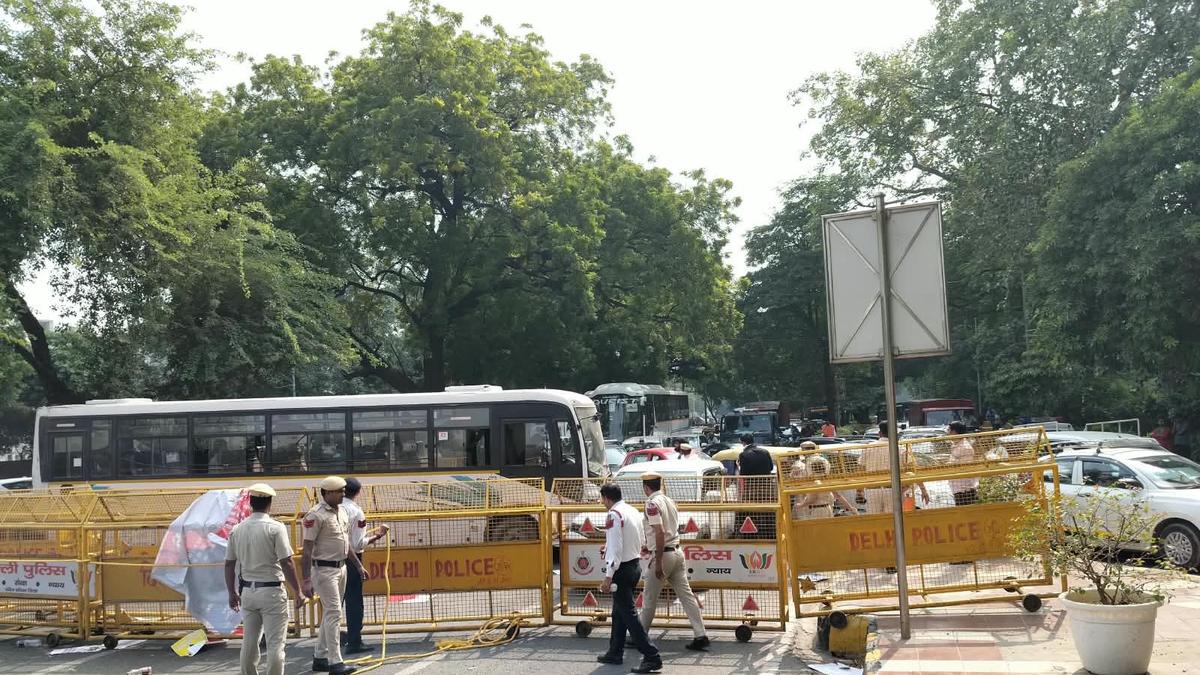
Violent Protests Erupt Near Akashwani Bhawan in New Delhi
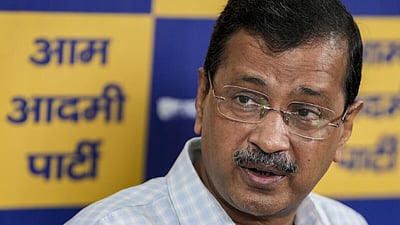
Kejriwal Slams Modi Government Over Arrests Ahead of Protest
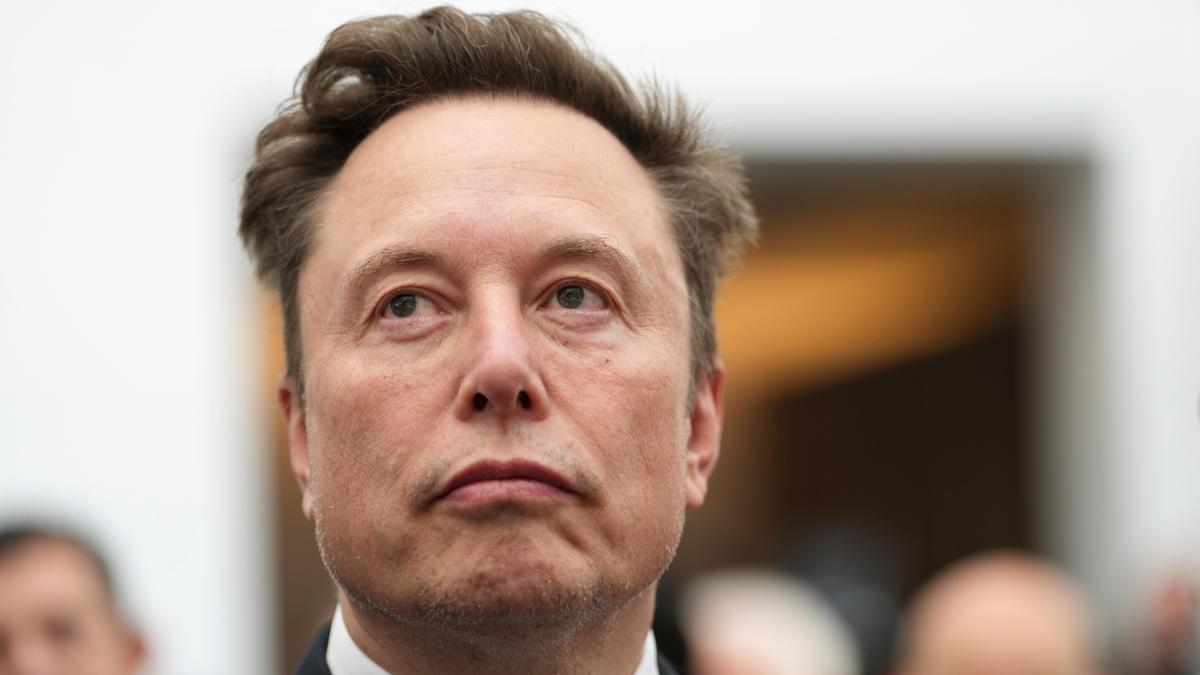
Elon Musk Criticises Mukesh Ambani Over Starlink Launch Delay

Nikon Disqualifies Winning Video in Small World In Motion Contest