Nikon Disqualifies Winning Video in Small World In Motion Contest


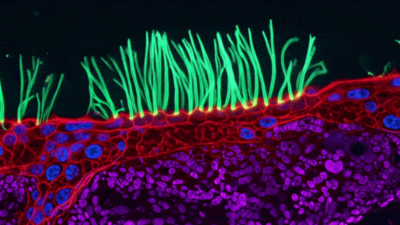
Nikon has announced the disqualification of the first-place entry in its Small World In Motion competition due to the use of generative artificial intelligence. This decision highlights ongoing challenges in ensuring the authenticity of visual submissions in photography and video contests, especially as technological advancements blur the lines between real and generated content.
The Small World In Motion competition, now in its 15th year, showcases microscopic images and videos, emphasising the importance of accurate representation in scientific visuals. The company stated that the original video, which depicted the abnormal motion of cilia in a child with primary ciliary dyskinesia (PCD), failed to adhere to the rules prohibiting AI-generated content. Nikon's guidelines explicitly state that generated videos are not allowed, and they reserve the right to verify original content to ensure compliance.
In a statement, Nikon clarified that their decision stemmed from a comprehensive evaluation of the video and its supporting materials, alongside consultations with judges. They asserted that this action does not reflect upon the entrant's professional standing or their scientific contributions. Nevertheless, specifics regarding the extent of AI involvement in creating the disqualified video remain unspecified.
Concerns about the video's authenticity were raised by several scientists, including Dr Robert Hirst, a PCD expert at the University of Leicester. Dr Hirst noted that the characteristics of the cilia displayed in the video did not align with those typically observed in PCD patients. He expressed disappointment at the impact this controversy could have on various stakeholders, including patients and support networks.
The original winner, Dr Ning Xu from Tsinghua University in China, acknowledged his use of AI in an earlier statement, claiming he believed he was within the competition’s guidelines. This incident has prompted Nikon to reassess its rules and procedures for future competitions, recognising the escalating complexities associated with AI-generated or edited content.
In light of the controversy, Nikon has adjusted the competition’s rankings. The original second-place entry, a video featuring a roundworm and a single-celled organism, is now awarded first place, while another entry depicting jellyfish larvae has moved to second, and a video of synchronized cell division has taken third. Participants and observers can view all updated winners on the Nikon Small World website.
As generative AI technologies advance and become more sophisticated, ensuring transparency and authenticity in creative competitions will continue to be a pressing issue. Experts advocate for the development of more reliable tools to verify the legitimacy of visual content, though many existing solutions remain imperfect and susceptible to exploitation.

Violent Protests Erupt Near Akashwani Bhawan in New Delhi

Kejriwal Slams Modi Government Over Arrests Ahead of Protest

Supreme Court Hears Contempt Petition on Delhi Transit Restrictions

Elon Musk Criticises Mukesh Ambani Over Starlink Launch Delay