Elon Musk Criticises Mukesh Ambani Over Starlink Launch Delay


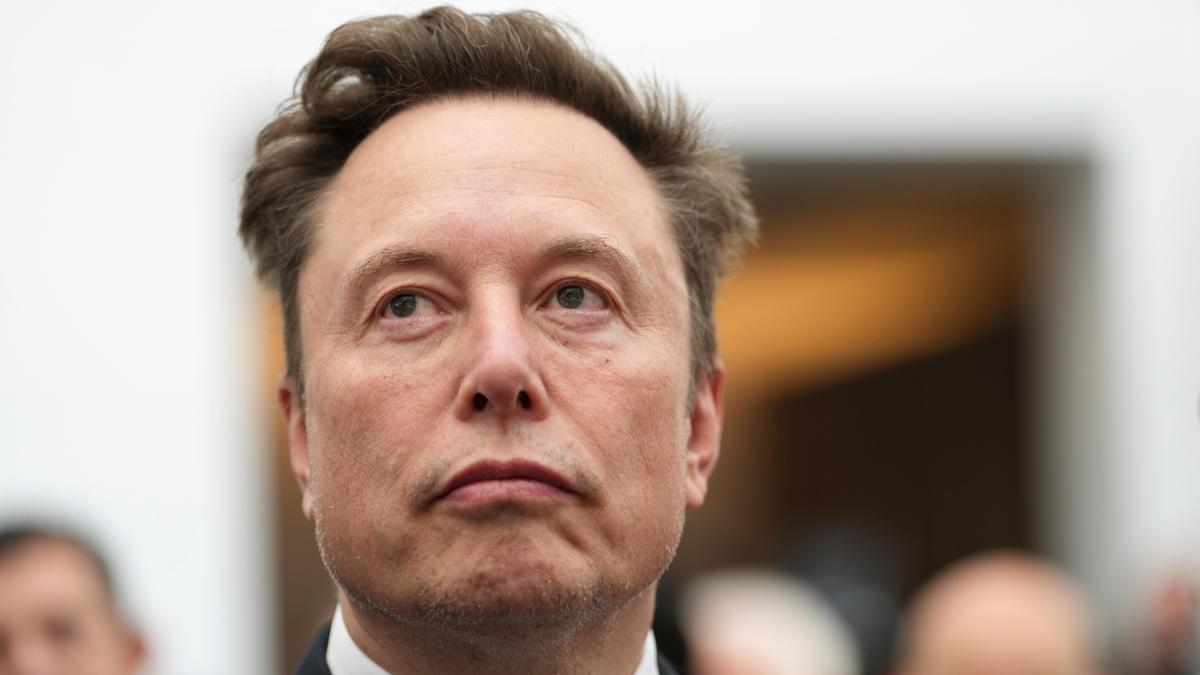
Elon Musk, the CEO of SpaceX, has escalated his criticisms towards Mukesh Ambani, chairman of Reliance Industries, regarding delays in launching Starlink in India. Musk recently referred to Ambani as the 'prime minister' on social media platform X, insinuating that Ambani possesses excessive influence over the Indian government. He further accused Ambani of preventing Starlink from entering the market, which Musk claims would provide internet access to underserved regions, enhance educational opportunities for children, and assist small businesses in finding customers globally.
In a provocative post last Friday, Musk asked, 'Naturally, you would prefer to maintain your monopolistic exploitation of the great people of India, but would you nonetheless consider allowing Starlink to compete?' This statement follows earlier claims made by Musk that unspecified 'oligarchs' are deliberately obstructing the satellite internet service in India to protect their interests.
India's Ministry of Communications responded to Musk's accusations, stating that the country's regulatory framework for satellite communications is 'fair and non-discriminatory.' The ministry clarified that Starlink, along with two other licensed satellite operators, is currently undergoing security assessments that are prerequisites for obtaining the necessary satellite spectrum. It refuted Musk's assertions that Starlink is being unfairly targeted.
The Indian telecom landscape is competitive, with Reliance Jio and Bharti Airtel vying to launch their satellite internet services. Reliance Jio has formed a partnership with Luxembourg-based SES, while Airtel collaborates with Eutelsat OneWeb on similar initiatives. Despite securing certain regulatory approvals, Starlink has not yet been granted permission to commence commercial operations.
Musk's remarks on X continued, questioning Ambani's impact on Indian governance by asking, 'Is Ambani the real boss of India?' This comment reflects the pressures Musk faces as he seeks to penetrate one of the world's most lucrative markets for internet connectivity.
In addition to the challenges faced by Starlink, Musk is encountering difficulties in launching Tesla's operations in India. The electric vehicle company reported only 699 deliveries in its first year, hampered by steep import duties that inflated prices considerably compared to the U.S. market. Despite attempts to lower prices, Tesla's cars remain more expensive in India.
Previously, negotiations related to satellite spectrum allocation between Starlink and Reliance Jio have been contentious. SpaceX advocated for an administrative allocation process, while Jio argued for an auction system. Ultimately, New Delhi decided on an administrative allocation, benefiting Starlink.
Musk's ongoing struggle to establish Starlink in India underlines the complexities of entering a market dominated by established operators and influential figures. India's telecom minister, Jyotiraditya Scindia, has reiterated the government's commitment to ensuring no monopolistic practices exist within any sector.
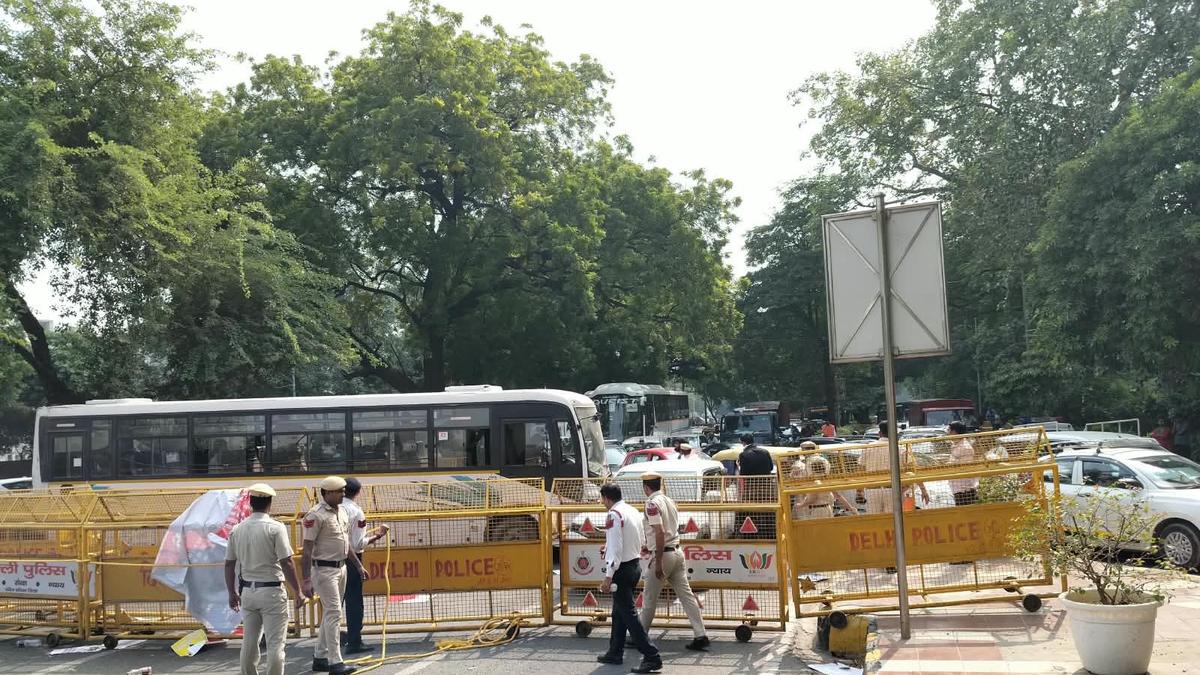
Violent Protests Erupt Near Akashwani Bhawan in New Delhi
Kejriwal Slams Modi Government Over Arrests Ahead of Protest
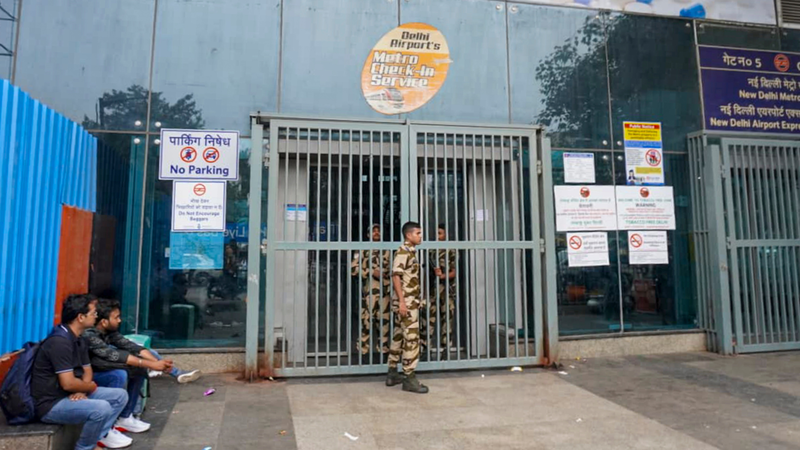
Supreme Court Hears Contempt Petition on Delhi Transit Restrictions

Nikon Disqualifies Winning Video in Small World In Motion Contest