Strait of Hormuz Tensions: Allies Weigh Trump’s Naval Call


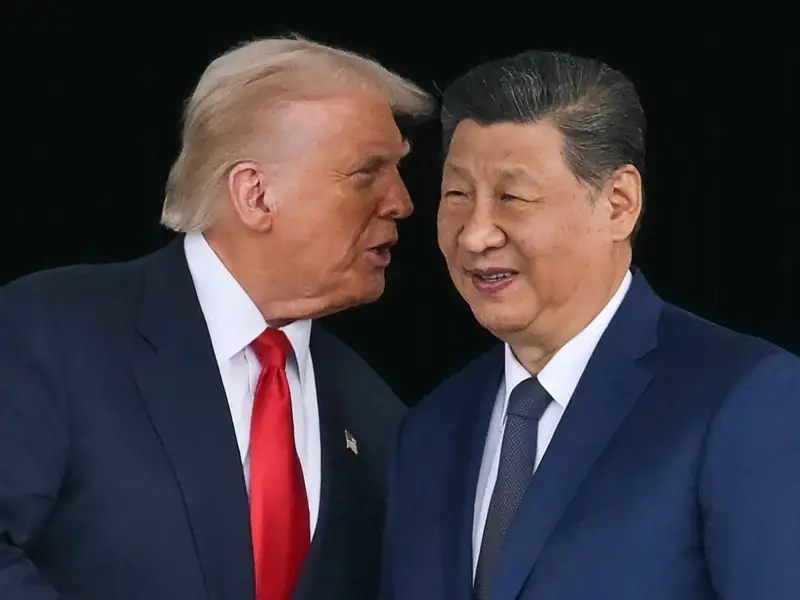
Countries including the United Kingdom, Japan, China and South Korea have said they are assessing their options after United States President Donald Trump called on allies to deploy warships to secure the Strait of Hormuz, a key global shipping route disrupted by the ongoing conflict with Iran.
The request comes as maritime traffic through the narrow waterway has been severely affected following Iran’s decision to restrict shipping in response to military strikes by the United States and Israel.
Trump Calls for Allied Naval Support
President Donald Trump urged multiple countries to contribute naval forces to protect shipping in the Strait of Hormuz, one of the world’s most important energy transit corridors.
In a message posted on social media, Trump said nations that depend on oil shipments passing through the strait should help maintain the safety of the route.
He suggested that countries including the United Kingdom, China, France, Japan and South Korea consider deploying naval vessels to ensure the passage remains open.
Trump said several countries had already expressed willingness to support such efforts, although no detailed commitments have yet been confirmed publicly.
The call comes amid growing concern about disruptions to global oil supply. The Strait of Hormuz connects the Persian Gulf to the Gulf of Oman and carries roughly one-fifth of the world’s oil exports under normal conditions.
Muted Responses From Key Countries
Despite the request from Washington, many governments have responded cautiously and have not committed to sending naval forces.
The United Kingdom’s Ministry of Defence said it was discussing possible responses with international partners. In a statement, officials said the government was considering “a range of options to ensure the security of shipping in the region”.
United Kingdom Energy Secretary Ed Miliband said authorities were examining potential measures, including the deployment of mine-clearing technology to reopen shipping lanes.
Speaking in a broadcast interview, Miliband said officials were studying “any options that can help to get the strait reopened”.
Japan also indicated that it was considering the situation carefully. Takayuki Kobayashi, chair of the policy research council of Japan’s ruling Liberal Democratic Party, said military involvement would require careful legal and political evaluation.
“From a legal standpoint, the possibility cannot be ruled out, but given that the dispute is continuing, this is something we should judge cautiously,” Kobayashi said.
South Korea’s foreign ministry issued a statement saying the government was closely monitoring developments in the Middle East and reviewing potential measures to ensure the safety of energy transport routes.
France Signals Caution
France has indicated that it does not currently plan to deploy naval forces to the Strait of Hormuz while the conflict remains highly volatile.
French Defence Minister Catherine Vautrin said that sending warships to the area was not under consideration at present.
“I’m very clear and firm on this topic; at this point, there is no question of sending any vessels to the Strait of Hormuz,” she said.
French President Emmanuel Macron had previously suggested that European and international partners might consider a defensive escort mission to protect commercial vessels, but only after the most intense phase of the conflict had subsided.
European officials are also discussing whether an existing European Union naval mission in the region could expand its mandate. The operation currently focuses on protecting ships from attacks by Yemen’s Houthi movement.
China Emphasises Diplomacy
China, which relies heavily on energy imports passing through the Strait of Hormuz, has not indicated any intention to deploy military forces.
Instead, Beijing has emphasised diplomatic engagement and de-escalation.
A spokesperson for the Chinese embassy in Washington said China would continue to communicate with all parties involved in the conflict.
“As a sincere friend and strategic partner of Middle Eastern countries, China will continue to strengthen communication with relevant parties and play a constructive role for de-escalation and restoration of peace,” the spokesperson said.
China is also believed to be engaged in discussions with Iran regarding the safe passage of oil tankers through the waterway.
Shipping Disruptions and Attacks
The debate over naval deployments comes as maritime security in the Strait of Hormuz has deteriorated sharply.
Iran has declared that vessels travelling through the strait must obtain prior approval, and Iranian officials have warned that ships linked to the United States or its allies could be targeted.
Several attacks on commercial vessels have been reported since the conflict escalated. Maritime security organisations have confirmed multiple incidents involving tankers and cargo ships in the region, some resulting in fires, casualties and abandoned vessels.
At least one Indian sailor was reported killed in an attack earlier this month, according to maritime authorities.
These incidents have raised concerns among shipping companies and governments about the safety of crews and the stability of global energy supplies.
Context
The Strait of Hormuz is widely regarded as one of the world’s most strategically important maritime chokepoints. Large volumes of crude oil and liquefied natural gas exported from Gulf countries pass through the narrow waterway each day.
The route has become increasingly dangerous since the conflict between Iran, Israel and the United States escalated following joint military strikes on Iran in late February.
With global oil prices rising and international trade affected, governments across Europe, Asia and the Middle East are now weighing how to respond to the growing security risks while avoiding a wider regional conflict.

Ceasefire Agreed in Oleshky Amid Ukraine's Humanitarian Crisis
Donald Trump Hints at US Interest in Cuba After Conflict in Iran
UK Court Rules Against India in RAKIA Investment Dispute
India Raises Concerns Over Chinese Border Patrolling Deviations