Strait of Hormuz Crisis: Iran Allows Some Ships as India Secures Route


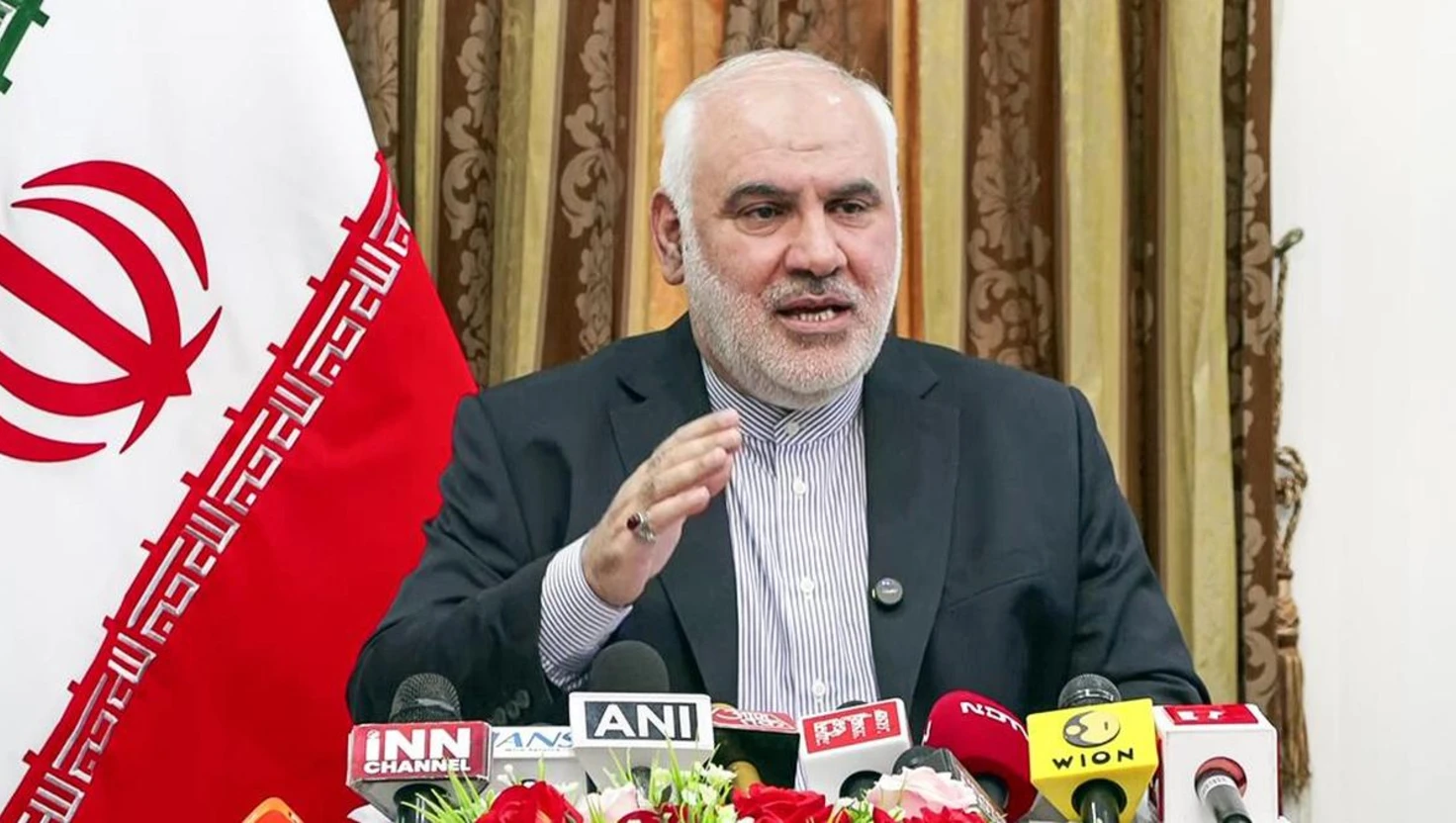
The Iranian government has permitted a limited number of vessels to pass through the strategically vital Strait of Hormuz as tensions continue to disrupt maritime traffic in West Asia, according to Iran’s ambassador to India.
Iranian Ambassador to India Mohammad Fathali confirmed that several ships had been allowed to transit the narrow waterway, a key global energy route, though he declined to disclose how many vessels had been authorised to pass.
Passage Through Strategic Waterway
Speaking during an interactive session in India on March 14, Ambassador Fathali said Iran had permitted some ships to cross the strait despite ongoing hostilities in the region.
“Yes, we have allowed, but let me not tell how many,” he said when asked whether Indian vessels had been given clearance to move through the passage.
The Strait of Hormuz connects the Persian Gulf to the Gulf of Oman and serves as one of the world’s most important shipping corridors for oil and liquefied petroleum gas. Much of the energy exported from Gulf countries travels through this narrow maritime route.
Shipping activity in the strait has been severely disrupted following the outbreak of conflict in West Asia. Several India-flagged vessels have remained stranded near the waterway as security risks intensified.
Indian Ships Resume Movement
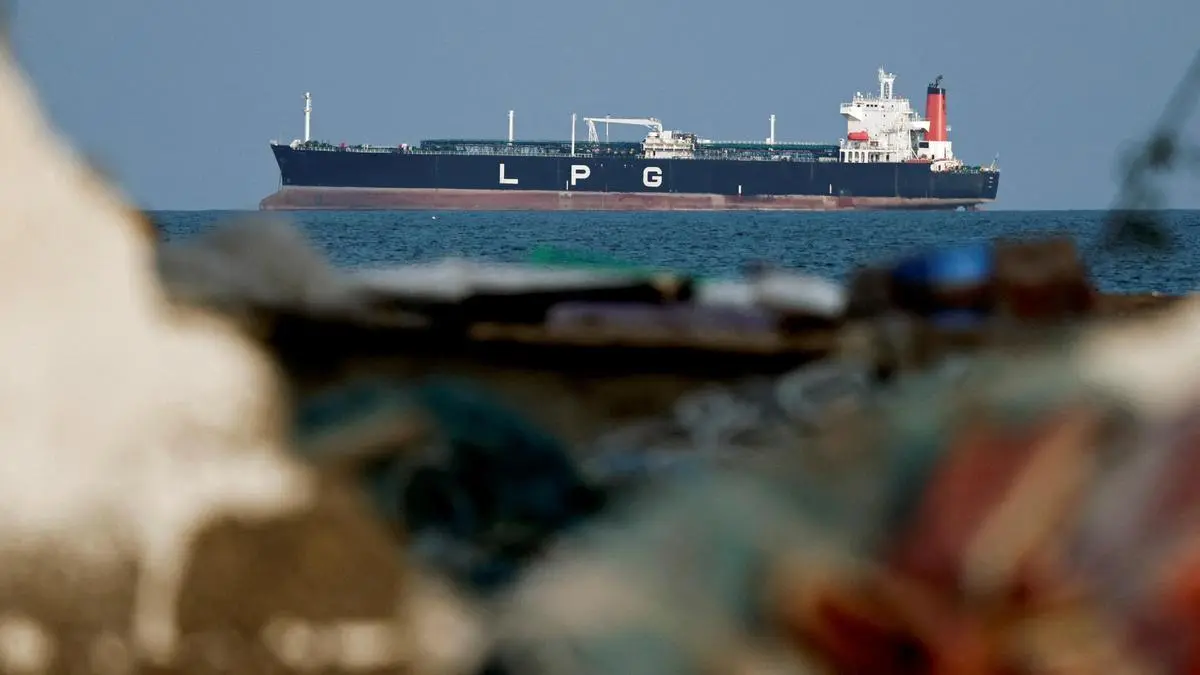
Indian government officials say at least two Indian-flagged liquefied petroleum gas carriers, Shivalik and Nanda Devi, successfully crossed the Strait of Hormuz early on March 14.
The ships were transporting about 92,700 metric tonnes of liquefied petroleum gas from Gulf suppliers and are expected to dock soon at ports on India’s western coast, including Mundra and Kandla.
According to officials from India’s shipping authorities, these vessels brought the number of Indian ships that have safely passed through the strait in recent days to three.
However, more than twenty Indian-flagged vessels remain positioned west of the strait awaiting clearance. India’s government is continuing diplomatic engagement with countries in the region to facilitate their safe passage.
Energy Supply Concerns
The disruption has raised concerns about fuel availability in India, which depends heavily on imports of liquefied petroleum gas for domestic use.
Government data indicates that India imports roughly 60 percent of its LPG consumption, with as much as 85 to 90 percent of these shipments originating from Gulf countries such as Saudi Arabia and the United Arab Emirates.
Because these exports typically move through the Strait of Hormuz, the conflict has heightened fears of supply shortages and potential price volatility.
Indian officials say naval escorts have been deployed to help secure maritime routes and ensure safe passage for merchant vessels.
India’s Security Strategy
Despite growing international calls for joint maritime patrols in the region, Indian government sources indicate that New Delhi is unlikely to join a multinational naval coalition aimed at protecting shipping through the Strait of Hormuz.
Instead, India is expected to rely primarily on its own naval resources.
Officials note that the Indian Navy has conducted long-running security operations in the western Indian Ocean under Operation Sankalp, a mission launched in 2019 to protect commercial shipping from threats such as piracy, drone attacks and missile strikes.
Under this initiative, naval vessels have escorted tankers and merchant ships through sensitive maritime corridors including the Gulf of Oman, the Persian Gulf and the Gulf of Aden.
Recent deployments have included Indian warships accompanying LPG carriers travelling through the Strait of Hormuz.
Diplomatic Engagement Between India and Iran
During the discussion, Ambassador Fathali emphasised the long-standing relationship between Iran and India and expressed optimism that the two countries could manage differences through dialogue.
“I believe Iran and India also have common interests,” he said, adding that both countries possessed the political maturity to address challenges cooperatively.
His comments followed a telephone conversation earlier in the week between Indian Prime Minister Narendra Modi and Iranian President Masoud Pezeshkian, during which the leaders discussed the escalating situation in West Asia.
Ambassador Fathali said the two countries were supporting each other during the crisis and stressed the importance of maintaining bilateral ties.
Regional Conflict Intensifies
The maritime disruption is linked to a wider conflict that began after the United States and Israel launched a major military strike on Iran on February 28.
Iran responded with attacks targeting locations in several Gulf states that host United States military facilities. The escalation has affected aviation routes, maritime transport and global energy markets.
The conflict also followed the reported killing of Iran’s long-time Supreme Leader Ali Khamenei, an event that Iranian officials say has deeply affected the country.
Ambassador Fathali said Iran remained open to diplomatic solutions but warned that the country was prepared to defend itself if necessary. “Iran is ready for negotiations and the war,” he said, adding that his government preferred a negotiated settlement.
Context
The Strait of Hormuz handles a significant share of global oil and gas shipments, making it one of the most strategically sensitive waterways in international trade.
Any disruption to traffic through the strait can quickly affect global energy prices and supply chains, particularly for countries in Asia that rely heavily on fuel imports from the Gulf.
With the conflict now entering its third week, governments across the region and beyond are closely monitoring the situation, as continued instability could further strain global energy markets and international shipping routes.
India Assembly Elections 2026: West Bengal, Tamil Nadu Poll Dates Announced
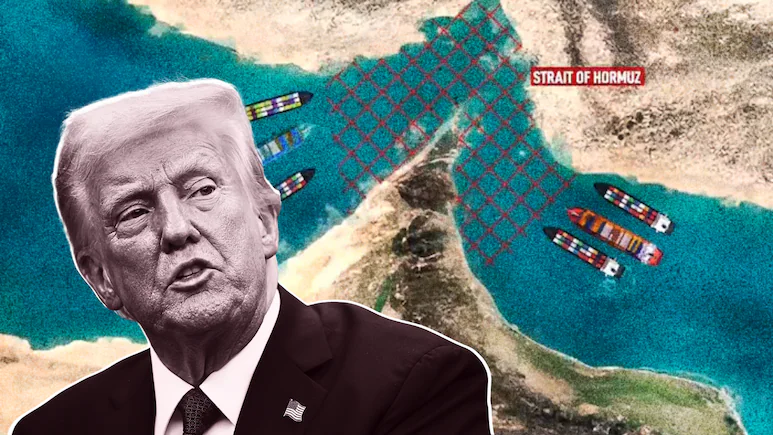
Trump Urges Nations to Send Warships as Iran Threatens Strait of Hormuz
US Strikes Over 90 Targets on Iran’s Key Oil Hub Kharg Island, Tensions Escalate in Ongoing War
Iran Mocks US Over Russian Oil Waiver for India, Says Washington ‘Bullying Earlier, Begging Now’