Strait of Hormuz: 22 India-bound Ships on Evacuation List


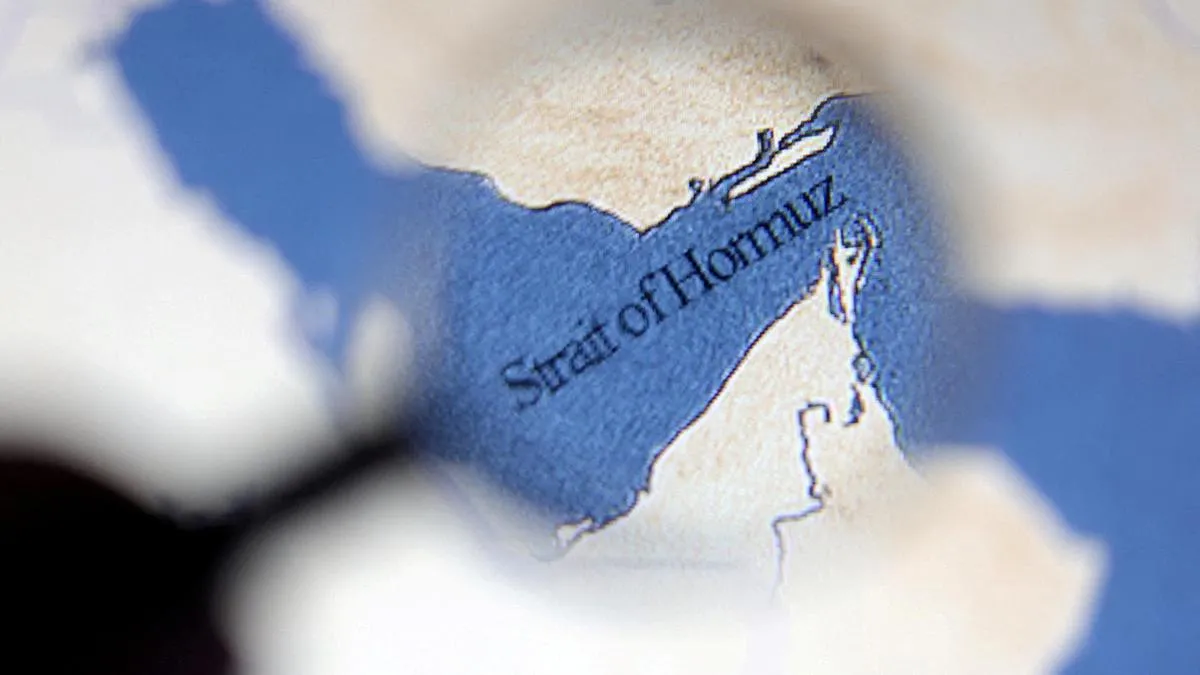
India has identified 22 vessels bound for its ports for evacuation and secure transit through the Strait of Hormuz, a key global oil shipping route, as tensions in the region continue to disrupt maritime movement.
The Indian government said most of these vessels are carrying critical energy supplies, highlighting the country’s reliance on shipments passing through the narrow waterway that connects the Persian Gulf to international markets.
According to officials, 20 of the 22 ships have been classified as essential to India’s energy security. Together, they are transporting approximately 2.15 lakh metric tonnes of liquefied natural gas (LNG), 3.21 lakh tonnes of liquefied petroleum gas (LPG), and 16.76 lakh tonnes of crude oil.
The vessels include both Indian-flagged and foreign-flagged ships, but all are destined for India. Authorities are working to ensure their safe movement amid heightened risks in the region.
Heightened tensions and security measures
The Strait of Hormuz is one of the world’s most strategically significant maritime corridors, through which a large proportion of global oil exports passes. Any disruption in this area can have immediate consequences for energy markets and supply chains worldwide.
Indian officials have not detailed specific threats but have increased monitoring and coordination efforts. The Directorate General of Shipping said it is closely tracking developments in collaboration with ship operators, recruitment agencies, and Indian missions in the region.
Additional Secretary at the Ministry of Ports, Shipping and Waterways, Rajesh Kumar Sinha, confirmed that 611 crew members aboard 22 Indian-flagged vessels operating in and around the area are safe.
Political reactions and global concerns
The situation has also drawn political responses within India. Former finance minister P Chidambaram described the presence of India-bound ships awaiting transit as “good and welcome news”, noting their importance for the country’s energy needs.
However, he criticised United States President Donald Trump over the ongoing conflict involving Iran, stating that it had triggered wider global instability. “The war must stop,” he said, linking the crisis to disruptions in international shipping.
While the Indian government has not publicly attributed the situation to any single geopolitical factor, it continues to emphasise the need for stability in the region to ensure uninterrupted trade.
Naval operations and recent arrivals
India has maintained a steady naval presence in the area under Operation Sankalp, an initiative aimed at safeguarding commercial shipping routes. Officials say the operation focuses on ensuring the safety of vessels and facilitating their passage through sensitive waters.
Recent developments suggest some progress in maintaining supply lines. An Indian-flagged crude oil tanker carrying about 80,886 metric tonnes of crude oil recently reached the western state of Gujarat.
In addition, two LPG carriers successfully crossed the Strait of Hormuz earlier in March, delivering approximately 92,712 metric tonnes of cargo. These vessels had transited the route days earlier, indicating that controlled movement through the strait remains possible despite tensions.
Government measures to reduce disruption
Authorities say they are taking steps to minimise disruption to maritime trade. The Ministry of Ports, Shipping and Waterways is coordinating with ports, shipping companies, and logistics operators to maintain continuity in supply chains.
Ports have been advised to offer relief measures where necessary, including reduced charges for anchorage, berthing, and storage. These steps are intended to ease operational pressures on shipping companies affected by delays or rerouting.
Officials added that the situation remains under close review, with contingency planning in place should conditions worsen.
Context: Global energy security at stake
India is among the world’s largest importers of crude oil and gas, making it particularly vulnerable to disruptions in the Strait of Hormuz. A significant portion of its energy imports passes through this route.
Any sustained interruption could affect domestic fuel availability, prices, and broader economic stability. Analysts note that similar disruptions in the past have led to volatility in global oil markets, underlining the strategic importance of the waterway.
For now, Indian authorities say their focus remains on ensuring the safe passage of vessels and protecting energy supplies, as uncertainty continues in one of the world’s most critical maritime corridors.

Meta to Report Child Sexual Abuse Material to Indian Authorities

India Clarifies Bangladesh PM's BRICS Invitation Amid Confusion

Odisha Government Denies Premature Release of Dara Singh

BJP Selects Chandranath Rath's Mother for Nandigram Candidacy