Indian Tanker 'Jag Laadki' Delivers Crude Oil to Mundra Port


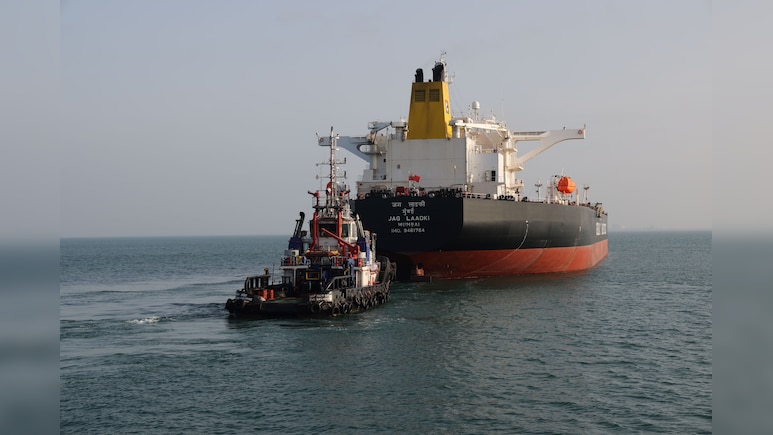
The Indian-flagged oil tanker 'Jag Laadki' has completed its journey to Mundra Port in Gujarat, arriving on March 18, 2026, carrying approximately 80,886 metric tonnes of crude oil sourced from the United Arab Emirates (UAE). This delivery takes place against a backdrop of escalating conflict in West Asia and highlights the strategic significance of the port in ensuring energy security for India.
Adani Ports, which manages Mundra Port, reported that the crude oil was loaded at Fujairah Port in the UAE. Fujairah has been the target of drone and missile attacks as tensions continue to escalate between Israel and the United States on one side and Iran on the other.
The 'Jag Laadki' measures 274.19 metres in overall length and has a beam of 50.04 metres, with a deadweight tonnage close to 164,716 tonnes and a gross tonnage of around 84,735 tonnes. The port facilities provided safe berthing for the vessel, which is a critical aspect of maintaining India's energy supply amidst regional disruptions.
The delivery of crude oil via the 'Jag Laadki' supports a major refinery in India that relies heavily on such imports to operate effectively. Adani Ports indicated that the arrival of this tanker is crucial for bolstering India's energy security during current supply challenges.
In recent days, another vessel, the LPG carrier 'Nanda Devi,' also docked at Vadinar port in Devbhumi Dwarka district, bringing in 46,500 metric tonnes of liquefied petroleum gas (LPG). Additionally, the LPG tanker 'Shivalik' arrived at Mundra Port on March 16, 2026, further contributing to India's energy imports amidst ongoing tensions in the region.
India's reliance on imports is substantial, with around 88 per cent of its crude oil and significant portions of its natural gas and LPG requirements coming from overseas sources. Prior to the recent conflicts, a considerable share of India’s oil and gas came from the Gulf states, including Saudi Arabia and the UAE.
The geopolitical situation has led to disruptions in the Strait of Hormuz, a vital shipping lane through which a significant amount of global oil supplies is transported. While India has sought to diversify its oil sources, including increased imports from Russia, the conflict has impacted domestic gas supplies and LPG availability for commercial use, raising concerns over energy security.
The safe operation of maritime activities and energy transactions remains a priority for Indian authorities, as evident from the naval security measures in place to escort vessels through potentially hazardous waters. The operational capacity of Mundra Port to handle such critical supplies underscores its importance in the national energy landscape, especially amid these turbulent times.
India to Supply Nepal with Daily Electricity After Flood Damage

US Space Force confirms weapons deployed in space orbit

Maruti Suzuki Exports One Lakh Units of Jimny and Fronx to Japan
China's Foreign Minister Urges Strengthening International Ties
