Modi and UAE President Discuss Strait of Hormuz Security


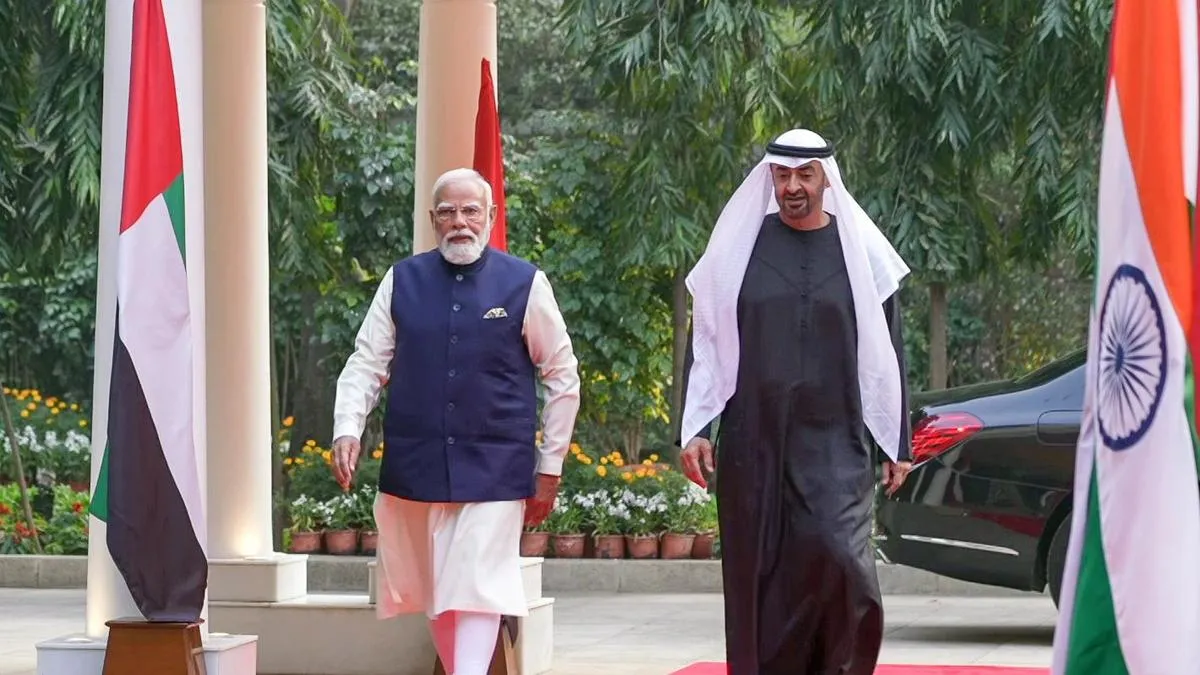
Indian Prime Minister Narendra Modi and Sheikh Mohamed bin Zayed Al Nahyan, President of the United Arab Emirates, engaged in a telephone conversation on March 17, 2026, to discuss the current situation in West Asia and the importance of ensuring safe navigation through the Strait of Hormuz. During the discussion, Prime Minister Modi condemned the attacks on the UAE that have resulted in civilian casualties and damage to infrastructure.
Modi expressed his concerns about the escalating conflict in the region and reiterated India’s stance against violence. Both leaders agreed to continue their collaborative efforts for the prompt restoration of peace and stability in West Asia. Modi referred to Sheikh Mohamed as his "brother" and conveyed advance Eid greetings during their conversation, emphasizing the mutual respect and camaraderie between the nations.
The discussions come at a time of increasing tensions following the US-Israeli military actions against Iran, which have led to retaliatory responses, including attacks on several Gulf states. Modi’s outreach to the Emirati leader is part of a series of communications with regional leaders since the start of the conflict, showcasing India's proactive diplomatic approach in a volatile geopolitical landscape.
In his message shared on the social media platform X, Modi stated, "We agreed on the importance of ensuring safe and free navigation through the Strait of Hormuz. We will continue to work together for the early restoration of peace, security and stability in the region." The Strait of Hormuz is a vital maritime corridor through which a significant portion of the world's oil supply passes, underscoring the critical nature of the leaders’ agreement.
The broader implications of the ongoing conflict have begun to impact global energy supplies, particularly for countries reliant on resources from the region. Reports indicate that disruptions in the strait could have far-reaching consequences, especially for nations like India that depend on energy imports. The Emirati government has also been vocal about the need to maintain the flow of trade and energy in the region.
The conversation highlights the importance of international diplomatic dialogues to mitigate conflicts and emphasises India's role in fostering discussions among diverse stakeholders within the complex landscape of Middle Eastern politics. As the situation evolves, further communications between Modi and regional leaders are expected as they seek a resolution to the ongoing crisis and its challenges to regional security.
US Space Force confirms weapons deployed in space orbit

Maruti Suzuki Exports One Lakh Units of Jimny and Fronx to Japan
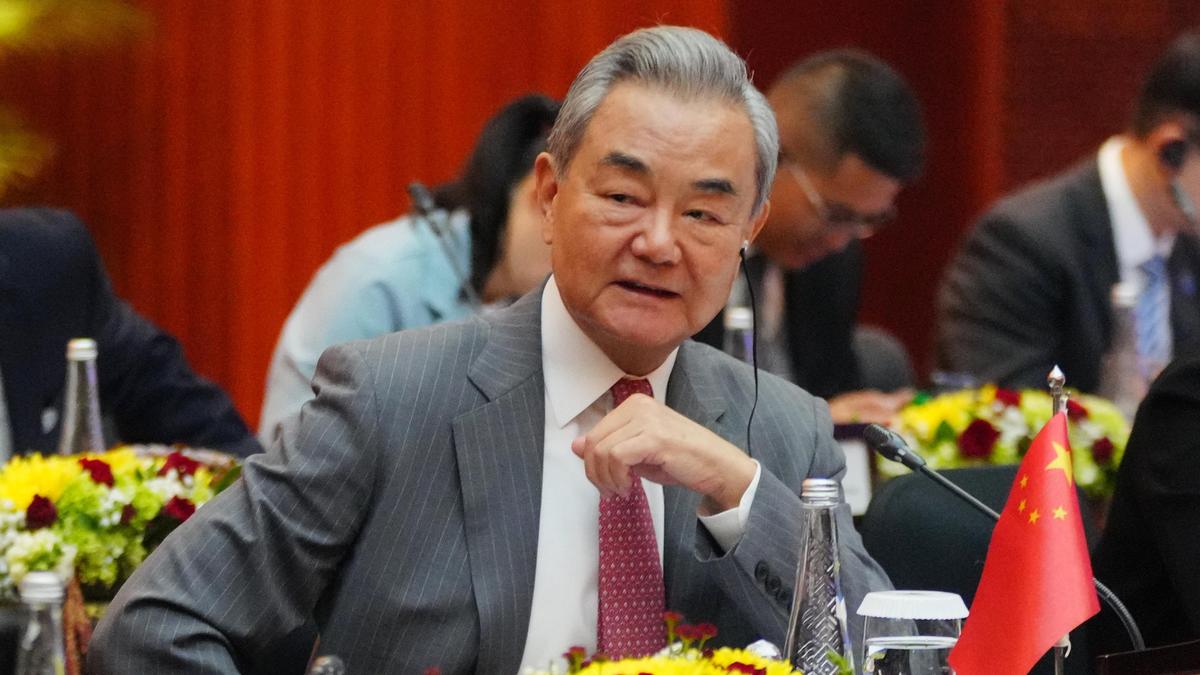
China's Foreign Minister Urges Strengthening International Ties

BJP Maintains Position Despite Strong Performance by Independents in Rajasthan