SpaceX Moves Toward IPO: Key Insights and Future Prospects


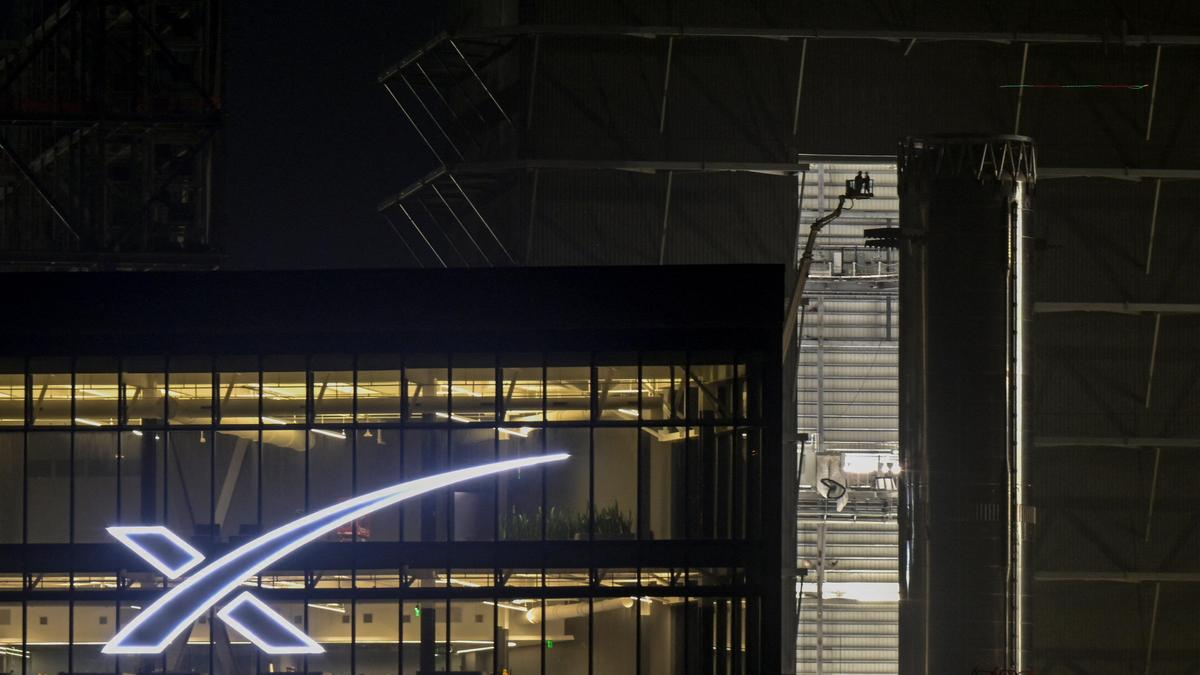
SpaceX has officially filed for an initial public offering (IPO) that could be one of the largest in history, aiming to raise $75 billion at a valuation nearing $2 trillion. The announcement follows a series of reports that have shed light on the company's ambitious plans and the financial factors underpinning its operations. The company, led by billionaire Chief Executive Officer Elon Musk, is seeking to dominate several industries, including rockets, satellite technology, artificial intelligence (AI), and data centres.
The IPO filing provides investors with an unprecedented look into SpaceX's financial structure and future ambitions. Despite its profitable satellite operations, the company's ventures often tread in uncertain territories, making it challenging for investors to determine an accurate valuation. Analysts suggest that potential investors are making a significant gamble, banking on Musk's ability to transform the rapidly evolving satellite business into a much larger enterprise, underpinned by innovative, albeit unproven, rocket technology.
Musk’s extensive corporate network, which has become known as the 'Muskonomy,' is intricately connected with this IPO. The filing has disclosed that Musk will maintain a majority of control over the company, holding 85.1% of the voting power. This setup includes a dual-class share structure where Class B shareholders receive ten votes each, consolidating authority within a small group of insiders. In contrast, the Class A shares sold to the public will possess only one vote each.
SpaceX has established itself as a leader in the market for low-Earth orbit satellites, primarily through its Starlink service, which has attracted substantial attention for its ability to provide global internet connectivity. As the company readies itself for a critical test flight of its Starship rocket, there is palpable optimism around its future capabilities.
While the division focusing on connectivity has generated profits in early 2026, other segments, particularly its AI initiatives following the acquisition of xAI, have seen considerable spending. AI ventures accounted for approximately 76% of the company's $10.1 billion in capital expenditure during the first quarter.
Looking ahead, SpaceX has outlined expansive ambitions that go beyond conventional space ventures. The company is eyeing opportunities in asteroid mining, space-based manufacturing, and energy production on the Moon and Mars, encapsulating its mission “to build the systems and technologies necessary to make life multiplanetary.”
If SpaceX achieves its ambitious valuation goals, it could reshape the landscape of Wall Street’s largest technology firms, potentially rivaling the likes of the “Magnificent Seven”—a designation applied to the most valuable companies in the tech sector. The implications extend beyond the company itself; banks facilitating the IPO stand to gain considerably in underwriting fees. Additionally, the Nasdaq is set to benefit from hosting this significant listing.
However, market analysts warn that such a monumental deal could overshadow other companies in the IPO pipeline, potentially affecting their access to investor interest and market liquidity. As the countdown to the IPO begins, all eyes will be on how SpaceX navigates this pivotal phase of its corporate evolution.

Kerala Initiates Probe into 2006 Suicide Case Involving CEC

Extradition of Sheikh Hasina Feasible, Says Indian High Commissioner

Punjabi Makeup Artist Mad Sandhu Shot Dead in Amritsar

India Achieves Fourth Place at Asian Games 2026 Through Late Success