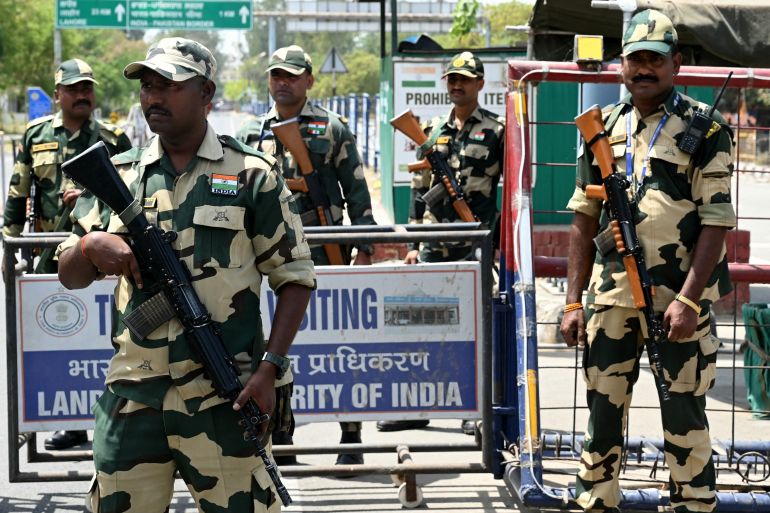
Ladakh Secures Proposal for Enhanced Legislative Powers from Centre


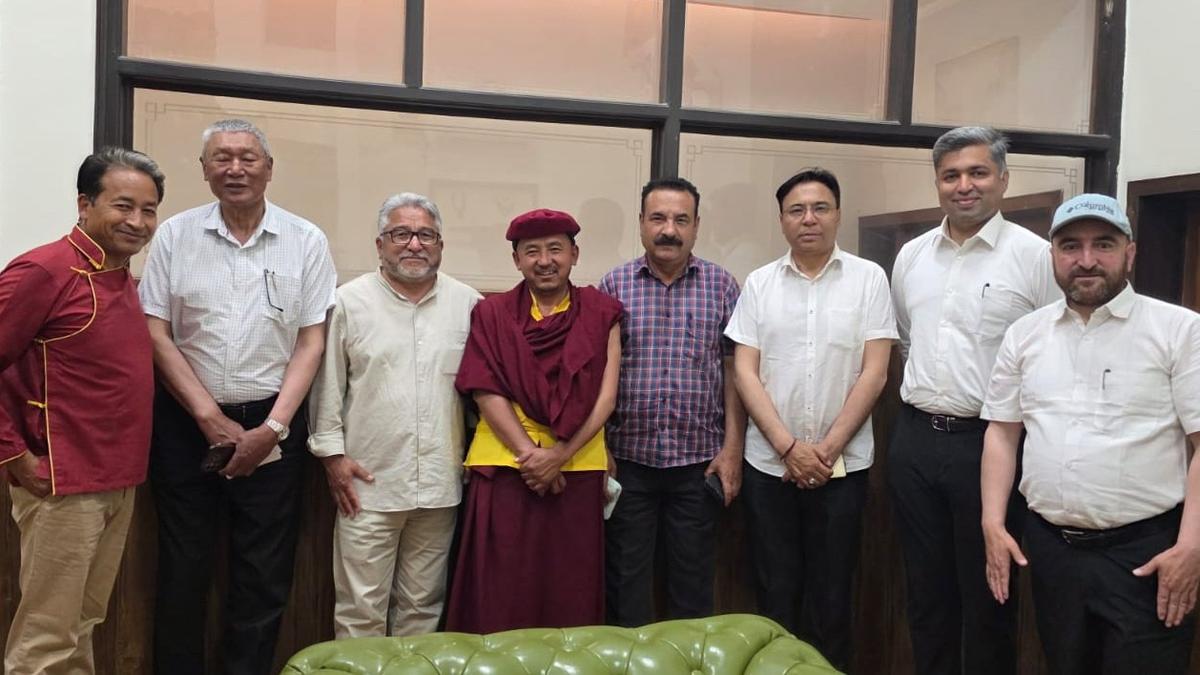
Members of the civil society delegation from Ladakh, including representatives of the Leh Apex Body and the Kargil Democratic Alliance, have reported positive discussions with India's Union Ministry of Home Affairs (MHA) regarding enhanced legislative and administrative powers for the region. The meeting took place on May 22, 2026, among MHA officials, including Chief Secretary Ashish Kundra, and follows a period of heightened tension in the region.
The MHA is suggesting a new framework that would grant Ladakh greater powers to govern itself without elevating its status from a Union Territory to a State. This proposed arrangement is dubbed 'U.T. with legislative powers.' According to Cherring Dorjay Lakruk, a co-convenor of the Leh Apex Body, while the MHA expressed intentions to introduce a legislature, they refrained from labelling it as ‘Statehood’ due to concerns over financial implications.
This caution stems from financial assessments indicating that Ladakh lacks sufficient revenue generation capabilities to support the fiscal demands associated with state status. "We were told that when Ladakh is financially sound, then Statehood can be considered," Lakruk noted. The delegation is awaiting a draft proposal from the MHA that details the anticipated changes, while they are also preparing their own proposals to submit.
The issue gained prominence following a violent incident in September 2025, which resulted in the deaths of four individuals during police actions in Leh. The painful aftermath of this incident has further driven the conversations about governance and representation in Ladakh. The LAB and KDA representatives have voiced their aspirations for democracy restoration and constitutional protections akin to those afforded under Article 371 A, F, and G, as experienced in other Indian states like Nagaland, Sikkim, and Mizoram.
During the latest meeting, representatives pushed for the establishment of a Union Territory level legislative body that would empower elected representatives with legislative, executive, and financial decision-making capacities. It was highlighted that the Chief Secretary and other bureaucratic roles would operate under the authority of the elected body, which might include a proposed Chief Minister.
Sajjad Kargili, co-chairman of the Kargil Democratic Alliance, indicated that details on how this arrangement will function are forthcoming and will involve discussions with constitutional experts. The hope is to formalise a system by which the governance of Ladakh is both inclusive and sustainable.
Thupstan Chhewang, a former chairman of the Leh Apex Body, also attended the discussions, emphasising the need for careful deliberation on the new constitutional arrangements. He further called for the withdrawal of charges against individuals arrested following the violence and appealed for financial support for affected families.
A senior government official commented on the Centre's commitment to ensuring democratic representation in the region and mentioned that several models, including those which incorporate protections under Article 371, have been explored during talks.
Ladakh became a Union Territory in 2019 when it was separated from Jammu and Kashmir following the abrogation of its special status under Article 370 of the Indian Constitution. Since then, leaders from Ladakh have consistently advocated for constitutional safeguards and greater autonomy as part of the broader discussions on governance and representation within the territory.
Kerala Initiates Probe into 2006 Suicide Case Involving CEC
Extradition of Sheikh Hasina Feasible, Says Indian High Commissioner

Punjabi Makeup Artist Mad Sandhu Shot Dead in Amritsar
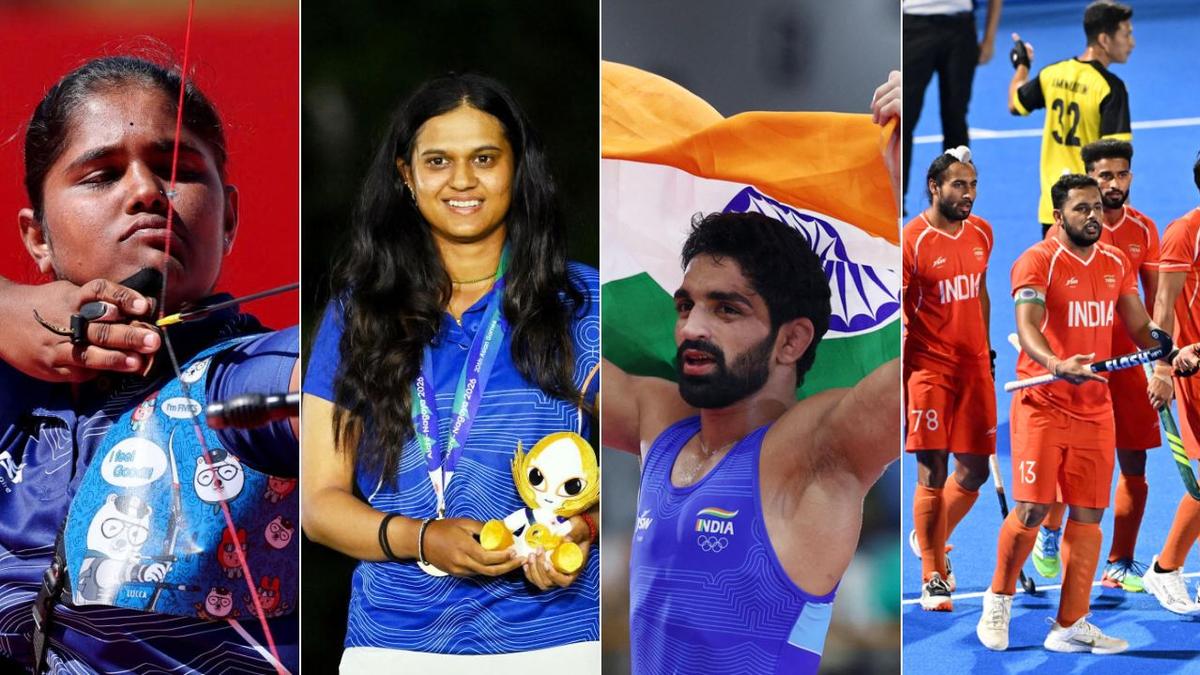
India Achieves Fourth Place at Asian Games 2026 Through Late Success