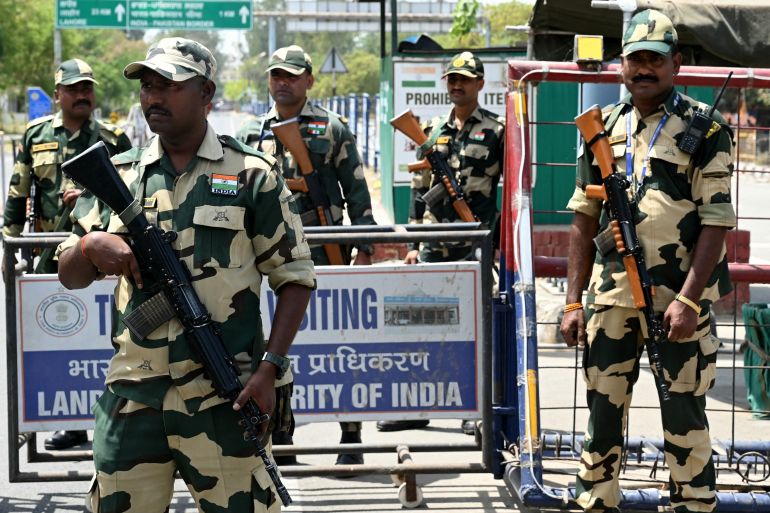
India Aims to Become Largest Arms Exporter in 25-30 Years


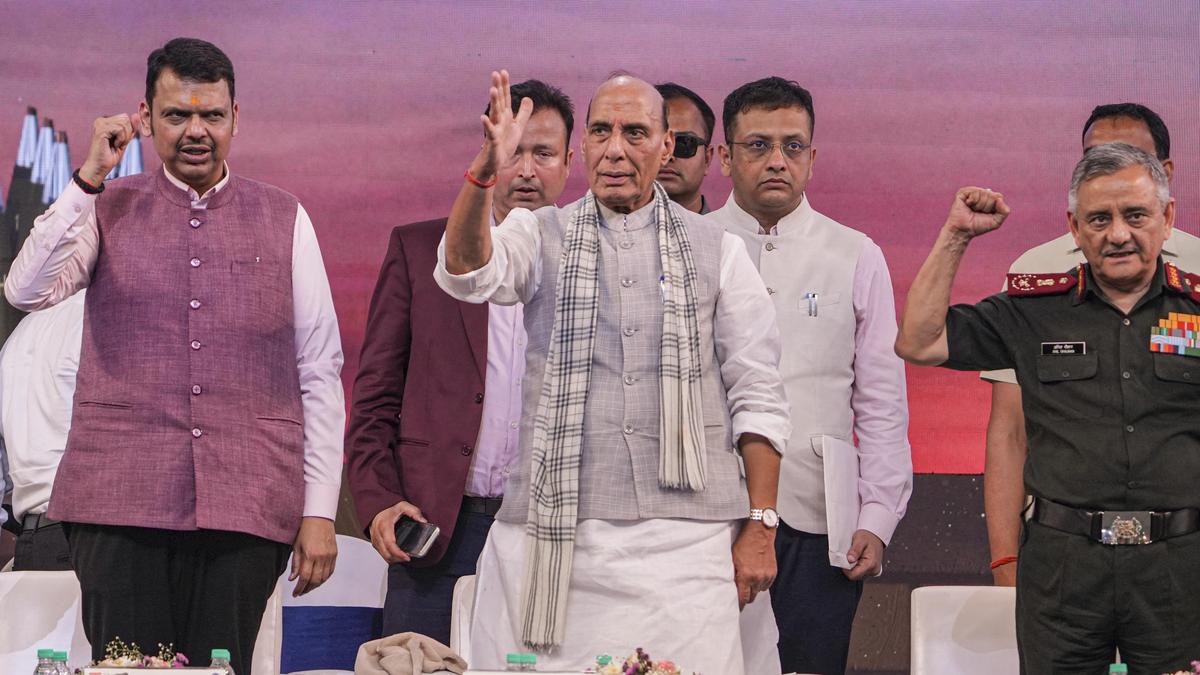
India's Defence Minister Rajnath Singh stated that the country is on a trajectory to become the largest arms exporter globally within 25 to 30 years. He made this announcement during the inauguration of an ammunition manufacturing facility in Shirdi, Maharashtra. Singh indicated that the government aims to increase private sector participation in defence production to 50%.
In his speech, Singh remarked, "India was once viewed solely as an importer of weapons, but no power can now prevent it from ascending to the position of the biggest exporter in the coming decades." He emphasised the necessity for collaboration between the government and the private sector, asserting that when these entities work together, significant advancements can be achieved.
Highlighting the evolving role of the private sector, Singh noted that it is no longer solely a supplier of basic components but a key player in the production of advanced weaponry and systems. Furthermore, he outlined the strategic importance of developing indigenous capabilities to ensure national security and self-reliance in military technology.
The inauguration event also celebrated the unveiling of various state-of-the-art technologies aimed at strengthening India's defence framework. Singh expressed confidence that with continued efforts, India can establish itself as a major hub for ammunition and defence equipment manufacturing.
The Defence Minister's comments resonate with ongoing changes in India's defence strategy, where the focus has shifted towards creating a vibrant ecosystem for innovative defence manufacturing. The government has already initiated several reforms aimed at bolstering local production capabilities.
Private sector involvement in defence production has reportedly risen to around 25 to 30%. The administration's goal is to elevate this figure significantly in the future, enabling India to attain greater self-sufficiency in defence.
Singh's address follows a broader trend of nations striving to enhance their military autonomy amidst changing global dynamics. As countries adapt to modern warfare's demands, the importance of domestic production of munitions and technologies has been increasingly acknowledged.
In conclusion, this initiative positions India to reshape its identity in the global arms market, moving from importer to a potential leading exporter in the near future.
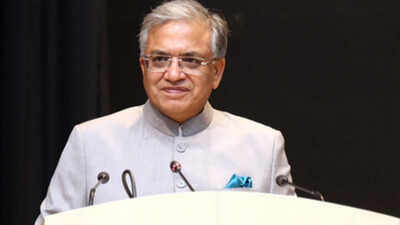
Kerala Initiates Probe into 2006 Suicide Case Involving CEC
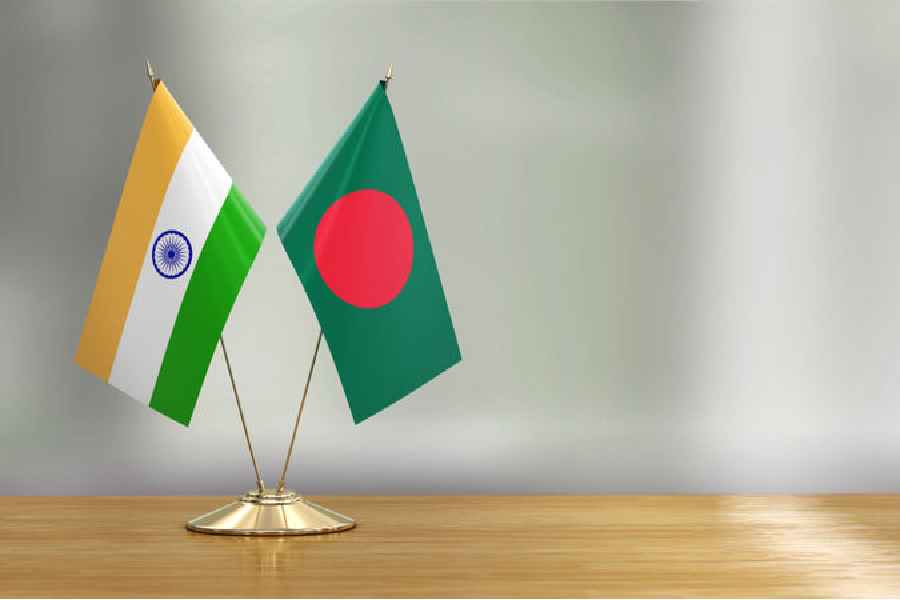
Extradition of Sheikh Hasina Feasible, Says Indian High Commissioner

Punjabi Makeup Artist Mad Sandhu Shot Dead in Amritsar
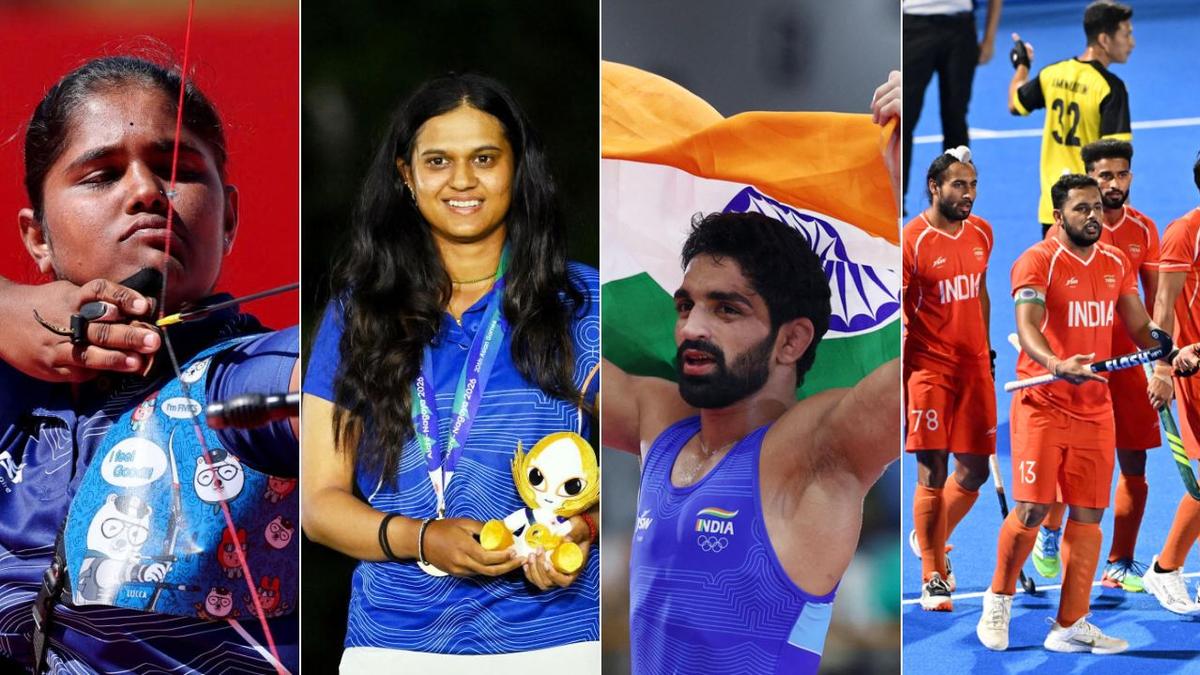
India Achieves Fourth Place at Asian Games 2026 Through Late Success