South Korea Protests Following Incursion by Chinese and Russian Aircraft


South Korea has officially protested to the defence attaches from China and Russia after their military aircraft entered the Korea Air Defence Identification Zone (KADIZ) without prior notification. The incident occurred on Tuesday when seven Russian and two Chinese warplanes briefly entered the zone, prompting the South Korean government to scramble fighter jets as a precautionary measure.
The South Korean military confirmed that the aircraft did not breach the country’s sovereign airspace but operated within the KADIZ, a buffer region where nations monitor aircraft for security reasons. According to a report from the Joint Chiefs of Staff, the planes entered the zone around 10 a.m. local time and remained there for approximately one hour, repeatedly entering and exiting before departing.
In compliance with international law, South Korea’s defence ministry stated, “Our military will actively respond to aircraft activities from neighbouring countries in the KADIZ.” This remark underscores the heightened vigilance of South Korean forces regarding incursions by foreign military aircraft.
The KADIZ is not considered part of sovereign airspace as defined by international law, but it is an area where a country can request that foreign aircraft identify themselves. Such unannounced entries by Chinese and Russian aircraft into KADIZ have been a recurring issue since 2019. Previously, similar incidents have led to the deployment of South Korean jets, including instances in November 2022 and in the past year.
The Russian aircraft entered near Ulleung Island and Dokdo, while the Chinese planes approached Ieodo, a submerged rock that is also a point of contention between Seoul and Beijing. Both countries have incorporated this location into their respective air defence zones. The ongoing territorial disputes over Dokdo, which South Korea calls the Liancourt Rocks, involve claims from both Japan and North Korea as well.
In a statement following the incident, China’s defence ministry confirmed that the joint patrols with Russia were part of an “annual cooperation plan” aimed at addressing regional challenges and maintaining stability in the region. A defence spokesperson described the operation as the “10th joint strategic air patrol” conducted over the East China Sea and the western Pacific.
Military relations between China and Russia have strengthened significantly since the onset of the war in Ukraine in 2022, with both nations often participating in joint military exercises. Their continued collaboration extends to North Korea, which remains a key adversary for South Korea.
As tensions persist in the region, the South Korean military continues to maintain a state of readiness against potential threats in the KADIZ.
The South Korean government’s recent actions reflect a broader strategy to assert its sovereignty while navigating complex geopolitical dynamics in East Asia. The military remains committed to monitoring and responding to foreign aircraft activities to ensure national security.
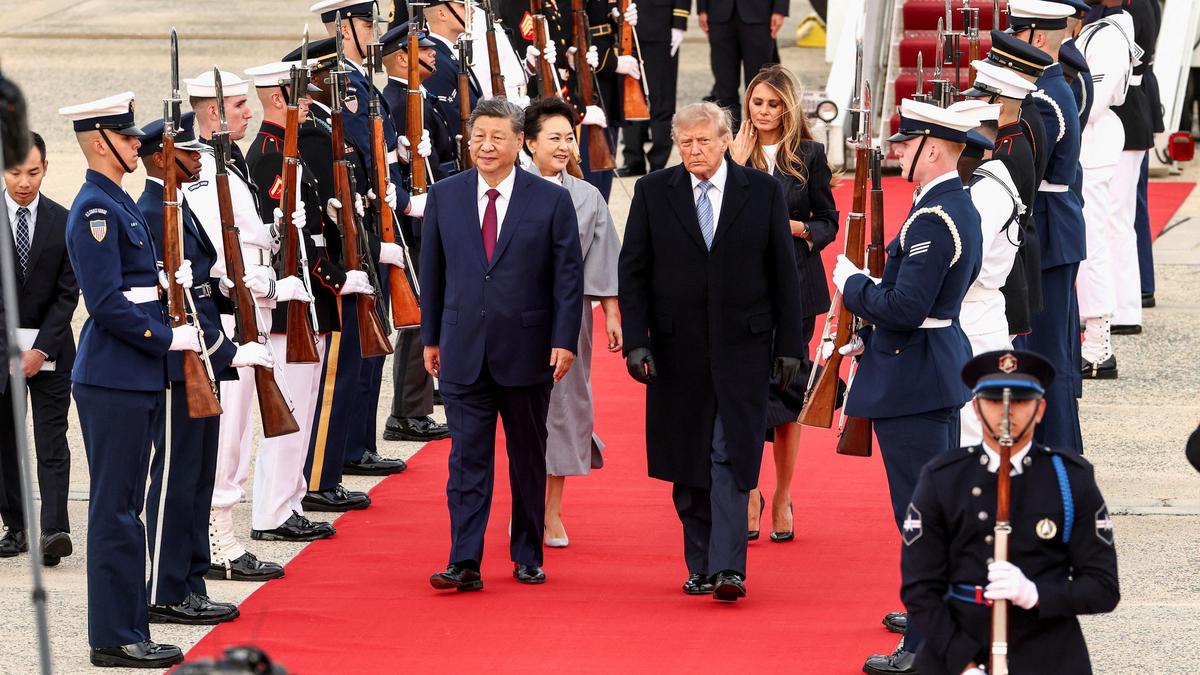
Chinese President Xi Jinping Begins State Visit to Washington
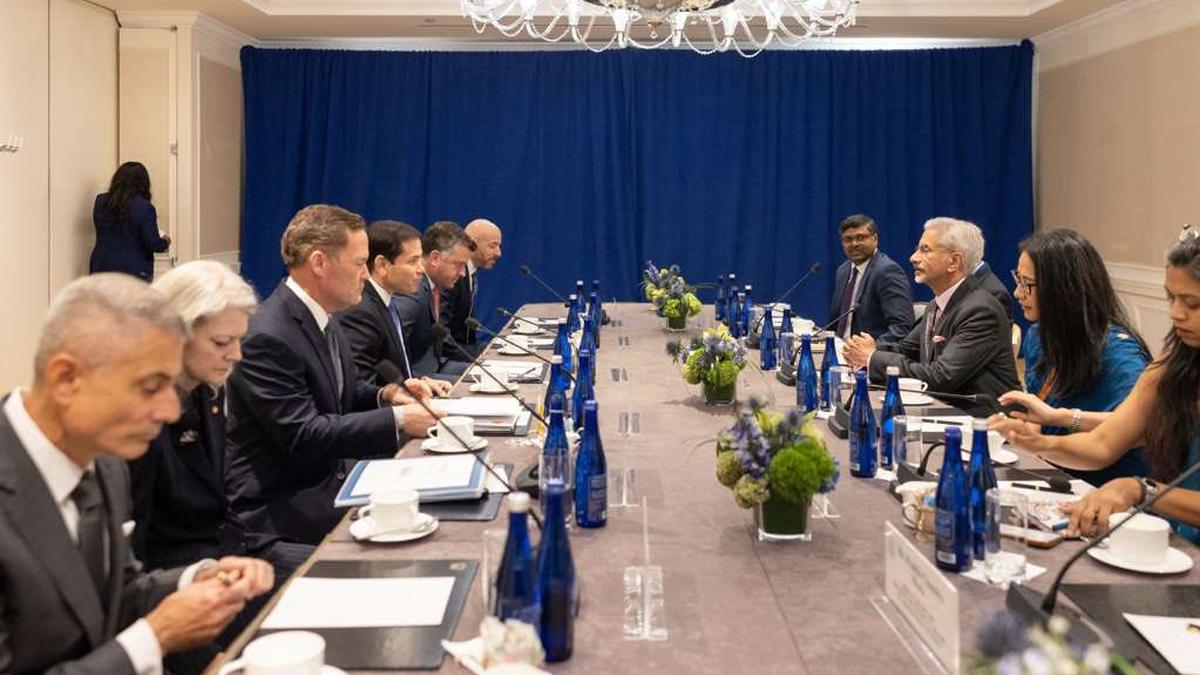
Jaishankar Discusses US Tariff Concerns with Secretary Rubio
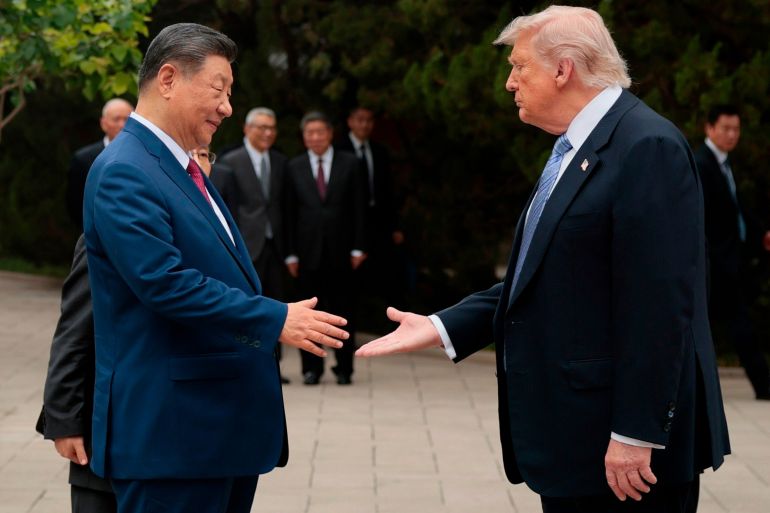
US and China Leaders Discuss AI Rivalry Amid Global Concerns
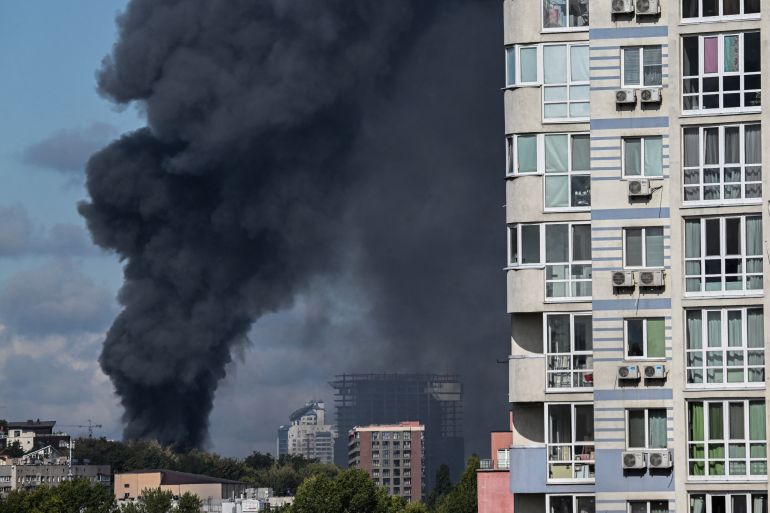
Russian Drone Strikes Kyiv, Donetsk Following Zelenskyy-Trump Talks