Shashi Tharoor Advocates for Peace Amidst Middle East Conflict


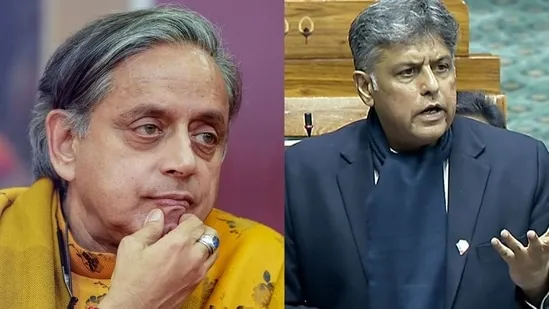
Indian Congress Member of Parliament Shashi Tharoor on 19 March 2026 expressed understanding for the Indian government's cautious stance regarding the ongoing conflict between the United States-Israel and Iran. In an interview with Press Trust of India, Tharoor remarked that India should actively seek to mediate and call for an end to the hostilities. He particularly noted that the government should have issued public condolences following the death of Iran's former Supreme Leader Ayatollah Ali Khamenei, a figure with whom India maintained friendly relations.
Tharoor suggested that a group of neutral nations, including India, could step in to encourage both parties to cease hostilities. He mentioned that India has significant stakes in the region, largely due to the safety of approximately nine million Indian citizens living in Gulf countries, as well as the nation's energy security, which heavily relies on liquefied petroleum gas (LPG) and liquefied natural gas (LNG) imports.
The Congress leader pointed out that the escalating conflict had tangible effects on India, citing reports of food shortages and disruptions to daily life. He emphasised, "There are dhabas closing down because of shortages of gas cylinders," adding that cooking traditional dishes has become increasingly difficult due to a lack of gas supply. This situation is raising concerns about the potential implications if the conflict continues.
Additionally, Tharoor commented on the need for the Indian government to become more vocal in advancing peace. He stated, "I would really hope that the Indian government could stand up and make a public call to both sides to end this war quickly." He underscored that regardless of the ongoing conflict, both parties will likely seek a path to de-escalation sooner or later.
The Congress party has taken a critical view of the Modi administration's silence on Khamenei's assassination, asserting that this silence may reflect a broader unwillingness to confront alliances with the United States and Israel. The opposition party has notably demanded a clearer articulation of India’s position on the recent hostilities.
Tharoor's comments highlight a divide within the Congress. While the party’s leadership has frequently condemned the government's approach, some members, including Tharoor, argue for a more nuanced understanding of India's role in Middle Eastern politics. Manish Tewari, another Congress leader, remarked earlier that India has historically played a marginal role in Middle Eastern conflicts and should invest in safeguarding its interests, including the welfare of its diaspora and energy security.
The ongoing war has led to significant political dialogue within India, with calls for the government to adopt a more proactive stance in foreign policy while balancing its relationships with multiple regional powers. The international community continues to watch closely as the situation unfolds, aware of the far-reaching implications for regional stability and global energy supplies.

Meta to Report Child Sexual Abuse Material to Indian Authorities
India Clarifies Bangladesh PM's BRICS Invitation Amid Confusion
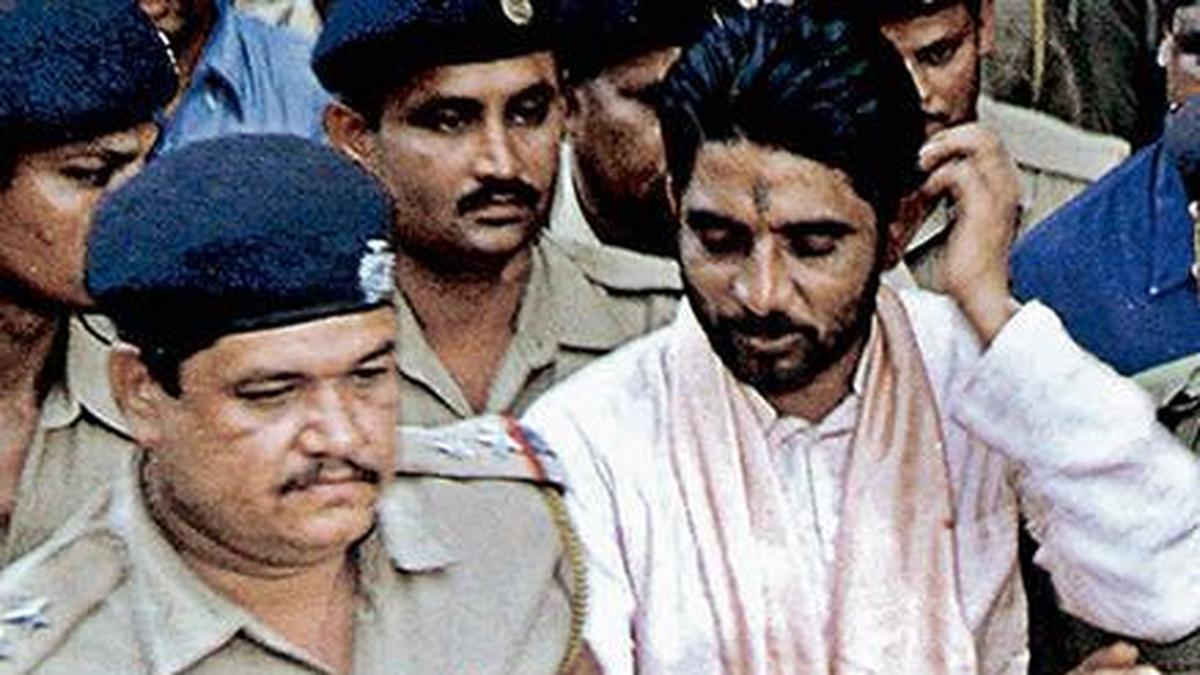
Odisha Government Denies Premature Release of Dara Singh
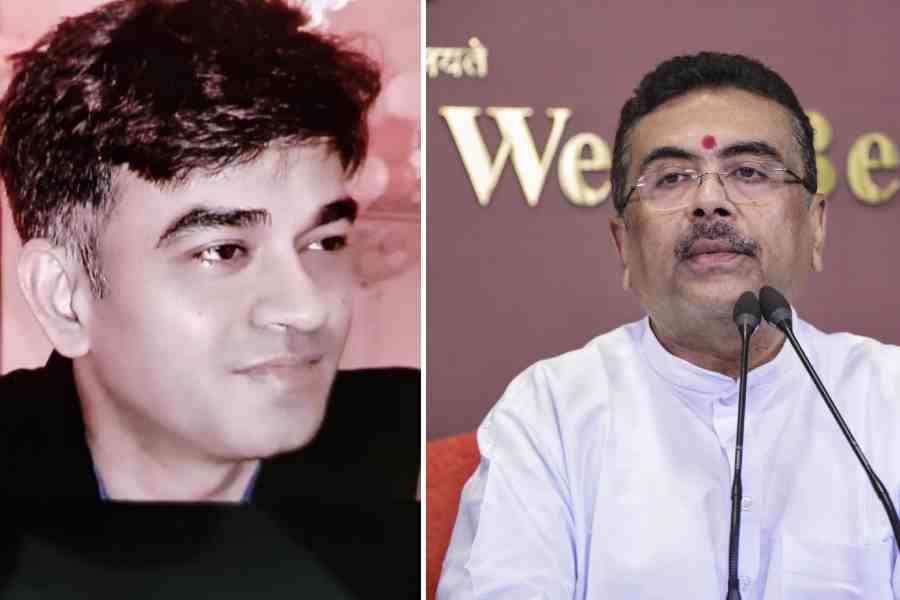
BJP Selects Chandranath Rath's Mother for Nandigram Candidacy