Review: 'Baby Do Die Do' Explores Mumbai with Dark Humour


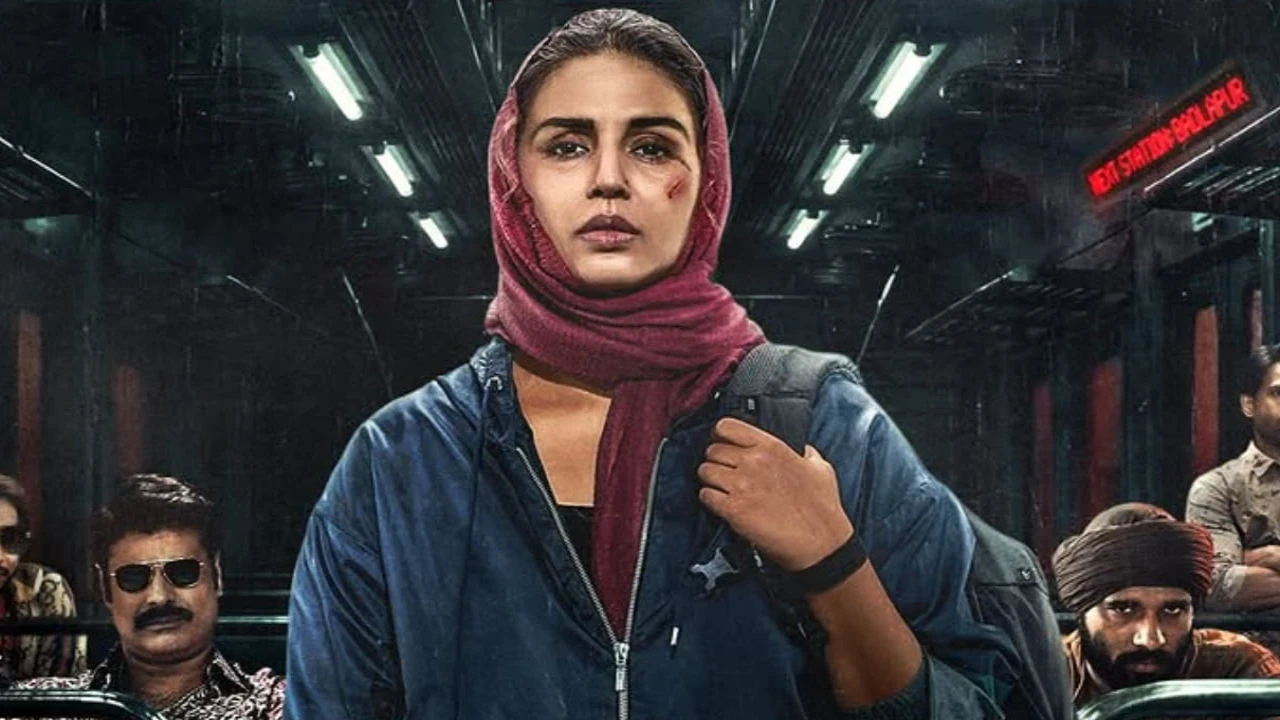
The Mumbai monsoon arrives with ferocity, setting a dramatic backdrop for the new film 'Baby Do Die Do', featuring Huma Qureshi in the lead role. The film opens with a striking scene where the protagonist, Baby Karmarkar, navigates a crowded train station with a red umbrella that conceals a firearm. This gripping introduction mirrors the real-life violence in the city, underscoring the dangers lurking beneath the surface of urban life.
Baby, portrayed by Huma Qureshi, is driven by a desire for vengeance following the traumatic loss of her twin sister in her childhood. The film attempts to explore the theme of how the city has shaped her into a sociopathic figure, yet the narrative does not consistently treat its themes with the necessary gravity.
Director Nachiket Samant attempts to blend noir aesthetics with a comical edge, giving the film a pulp-like quality. However, this stylistic choice sometimes overshadows the deeper messages regarding socio-economic disparities and the nexus between the construction industry and criminal elements. Even as it struggles to maintain tonal balance, Baby Do Die Do distinguishes itself with originality, diverging from predictable movie templates.
Amidst the unfolding chaos, the film often provides levity, especially with an inventive and entertaining item number performed in a gay pub. Saqib Saleem makes a noteworthy appearance as a charismatic dancer, challenging conventional portrayals of masculinity. This moment in the film empowers his character, shifting the perspective from objectification to self-agency.
Interspersed with vibrant performances, the romantic subplot between Baby and Siddhu, played by Rachit Singh, adds depth. Their relationship develops tenderly, moving from a bus encounter to intimate moments in a cramped apartment, highlighting a reversal of traditional gender dynamics.
Despite these engaging subplots, the film’s primary storyline—Baby's quest for revenge—often feels predictable and lacks the complexity it aims to project. The most insightful moments frequently arise in brief instances throughout the film, such as when characters reflect on their childhoods in connection to their present circumstances. These glimpses create a shared bond among the characters, illustrating a diverse yet unified identity shaped by their experiences in Mumbai.
While 'Baby Do Die Do' contains elements that could develop into a more profound narrative, the execution does not always fulfil this potential. The film ultimately provides a mix of dark humour and social commentary, marking an ambition to question societal norms while aiming to entertain its audience. Its exploration of Mumbai's underbelly, characterised by the struggles for basic needs like housing and safety, resonates particularly well against the backdrop of contemporary urban life.
Election Commission Extends Deadlines for Andhra Pradesh and Meghalaya

INDIA Bloc Announces Nationwide Campaign Against Chief Election Commissioner

Gujarat Authorities Seize ₹3,000 Crore Worth of Drugs at Sea

Modi and Trump Discuss Bilateral Cooperation in Key Sectors