China Responds to New Initiatives Between India and Japan


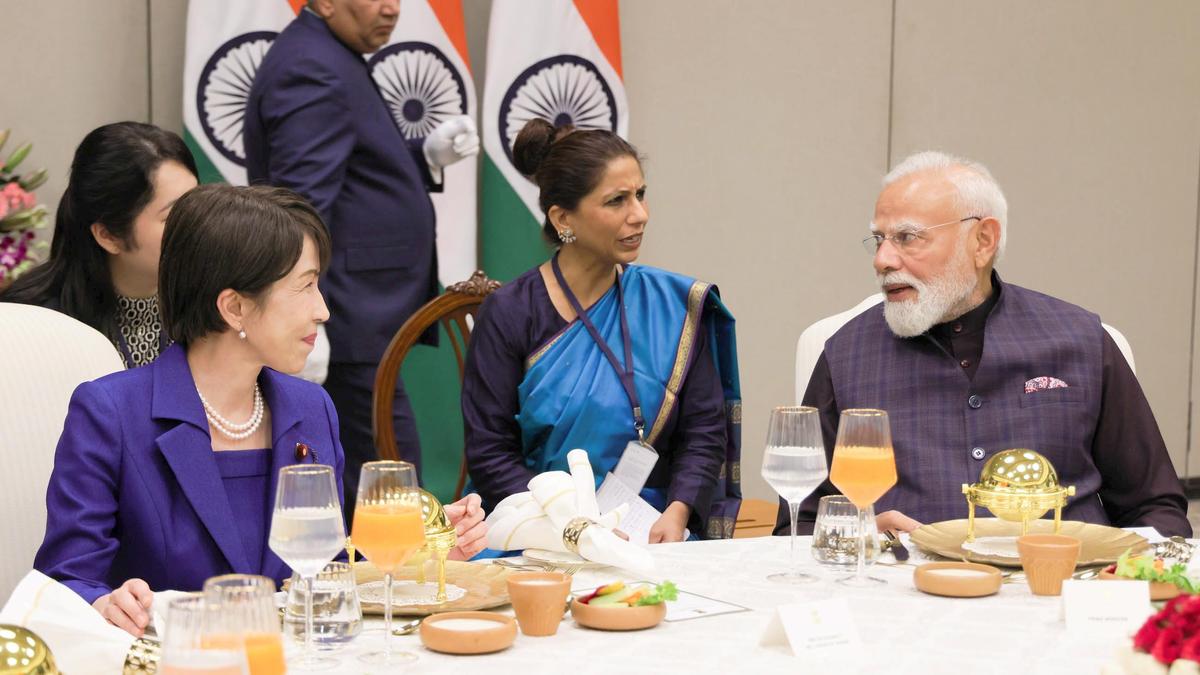
China's Foreign Ministry issued a statement on Friday, July 3, 2026, asserting that collaborations between nations should not be directed against any third party. The comments came shortly after Japan's Prime Minister Sanae Takaichi concluded a significant visit to India, where bilateral cooperation was enhanced through several landmark agreements.
During a media briefing in Beijing, Foreign Ministry spokesperson Guo Jiakun emphasised the importance of cooperation among countries promoting understanding and trust while safeguarding regional stability. When asked about the new partnership focusing on critical minerals, Guo asserted, "Such cooperation should not target any third party or harm the interests of any third party."
On July 2, prior to Guo's remarks, Indian Prime Minister Narendra Modi and Prime Minister Takaichi announced a series of initiatives aimed at strengthening ties. These included launching an economic partnership framework and a defence pact for joint military hardware development, alongside measures to enhance energy cooperation in light of fluctuations in oil markets.
The joint statement from both nations voiced 'serious concern' regarding the situations in the East China Sea and South China Sea. They jointly opposed any unilateral actions that jeopardise freedom of navigation or seek to change existing territorial status by force.
China’s response to the India-Japan collaboration is sensitive, as relations between Japan and China have become strained, particularly after Takaichi's previous comments suggesting Japan’s preparedness to respond to any military action by China concerning Taiwan. The Chinese government regards Taiwan as a breakaway province, and tensions around this issue have historically exacerbated diplomatic relations.
Beijing has also responded economically, reportedly tightening exports of rare earth minerals to nations including Japan, the United States, and India. China controls a significant portion of the world’s rare earth mineral supply, which plays a critical role in the production of electronics and military equipment.
Guo stressed that it is the collective duty of all countries to maintain the safety and stability of global supply chains, urging nations to promote openness and constructive cooperation.
The context of these discussions indicates the complexities underpinning Indo-Japanese relations against a backdrop of regional power dynamics, particularly concerning China’s influence in Asia.
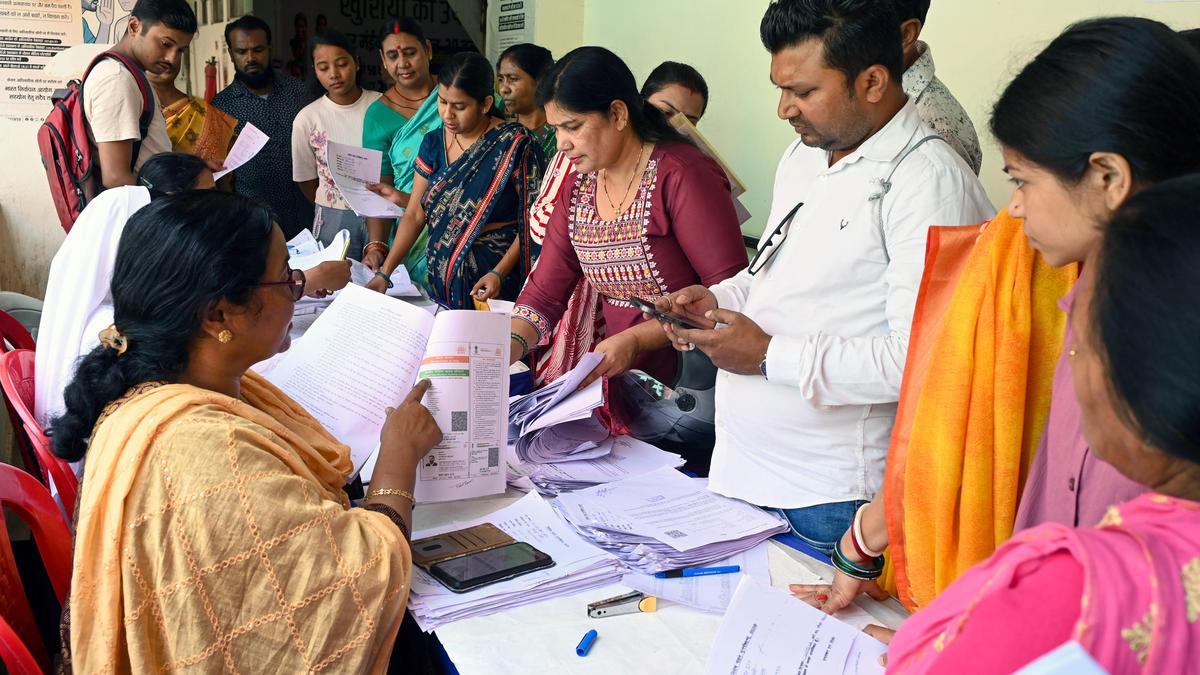
Election Commission Extends Deadlines for Andhra Pradesh and Meghalaya
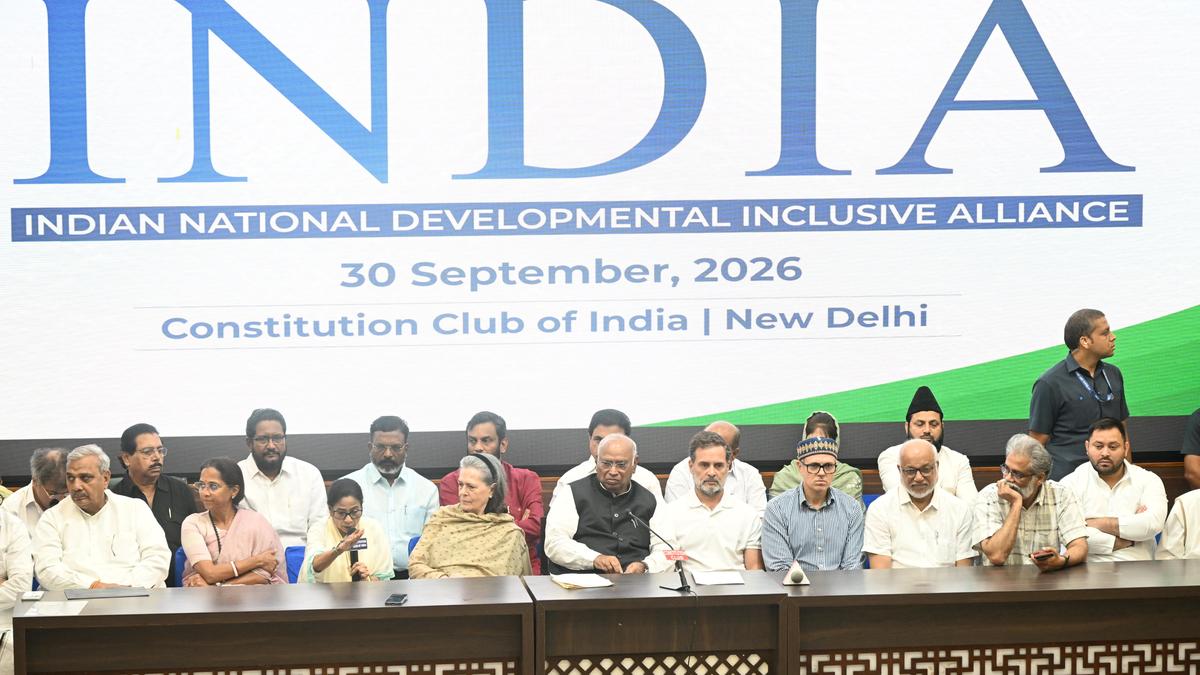
INDIA Bloc Announces Nationwide Campaign Against Chief Election Commissioner

Gujarat Authorities Seize ₹3,000 Crore Worth of Drugs at Sea
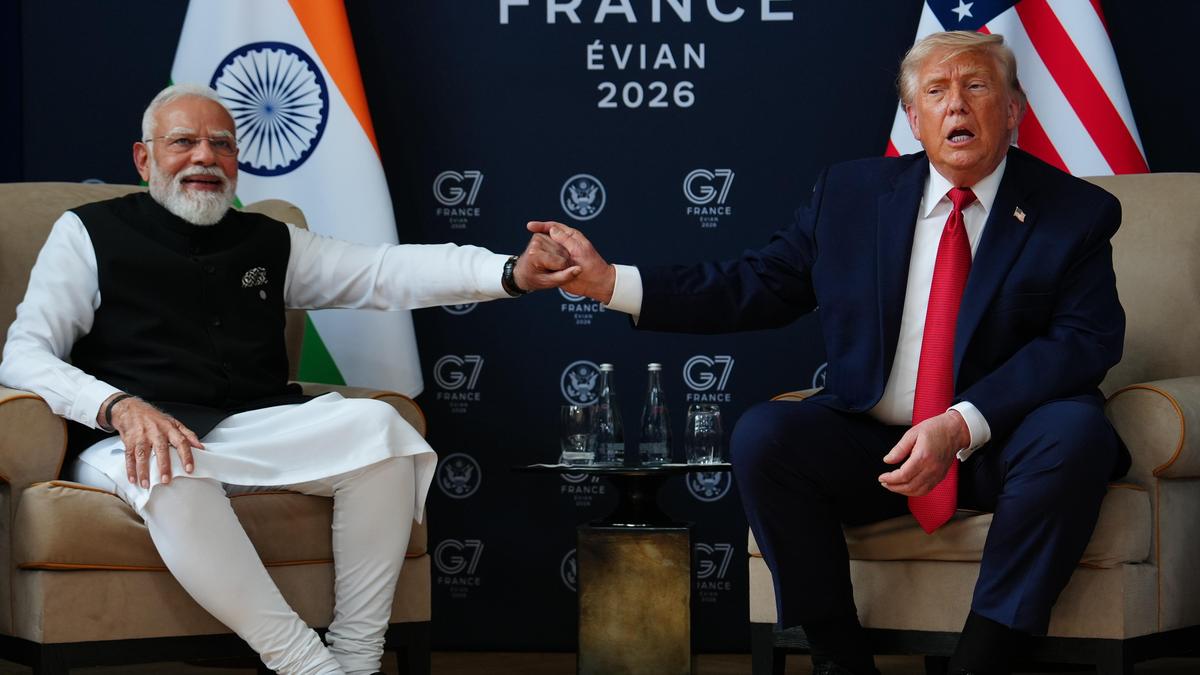
Modi and Trump Discuss Bilateral Cooperation in Key Sectors