Report: Pakistan Sought Chinese Nuclear Capability to Deterrent India


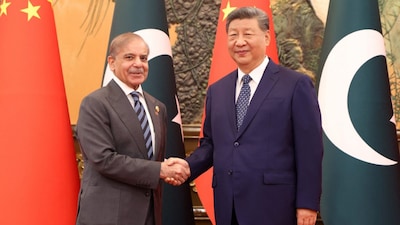
Classified military documents from Pakistan, scrutinised by investigative outlet Drop Site News, have unveiled complex negotiations between Islamabad and Beijing. Following a significant conflict with India over a year ago, these documents revealed that Pakistan had sought nuclear second-strike capabilities from China, tied to access at the Gwadar port. However, Chinese authorities expressed reluctance, citing concerns over nuclear policy. According to the reports, Pakistan promised to permit the establishment of a permanent military facility for China at Gwadar.
The sensitive defence records indicate that Pakistani negotiators presented a detailed list of demands before agreeing to allow a Chinese base at the port. Key among these conditions was a comprehensive geopolitical guarantee. Islamabad sought legal protections from China against potential economic, diplomatic, or political sanctions that could arise from the establishment of a Chinese military presence. Additionally, Pakistan requested extensive support for modernisation efforts, aiming to ensure its army and intelligence networks could maintain parity with India's advancing military capabilities.
The most significant demand, however, was for a sea-based nuclear second-strike capability, which typically involves deploying nuclear-armed submarines. This capability serves as a critical deterrent for nuclear-armed nations, allowing a retaliatory strike even if land-based missile systems were compromised. Despite over two decades of efforts to independently develop this technology, Beijing declined the request.
According to Drop Site News, Chinese officials perceived the request for second-strike capabilities as a serious and potentially dangerous move towards escalating nuclear proliferation in the region. Agreeing to Islamabad's request would have contradicted China's own commitments to international nonproliferation treaties. Furthermore, Chinese leaders assessed that potential global backlash and sanctions for supplying such sensitive technology would outweigh the strategic benefits of securing the facility at Gwadar.
Pakistan's financial constraints have further strained its relationship with China. In 2024, attempts by Islamabad, led by Prime Minister Shehbaz Sharif, to elicit additional funding resulted in no material support. The bilateral relationship has faced various challenges, exacerbated by Pakistan's substantial debts to Chinese energy companies. Compounding the economic issues are significant security concerns; recent comments from Chinese Ambassador Jiang Zaidong highlighted the safety of Chinese nationals working in Pakistan, noting that 21 had been killed since the launch of the China-Pakistan Economic Corridor initiatives. As the situation evolves, the dynamics between these two countries remain pivotal to regional stability.

Election Commission Extends Deadlines for Andhra Pradesh and Meghalaya
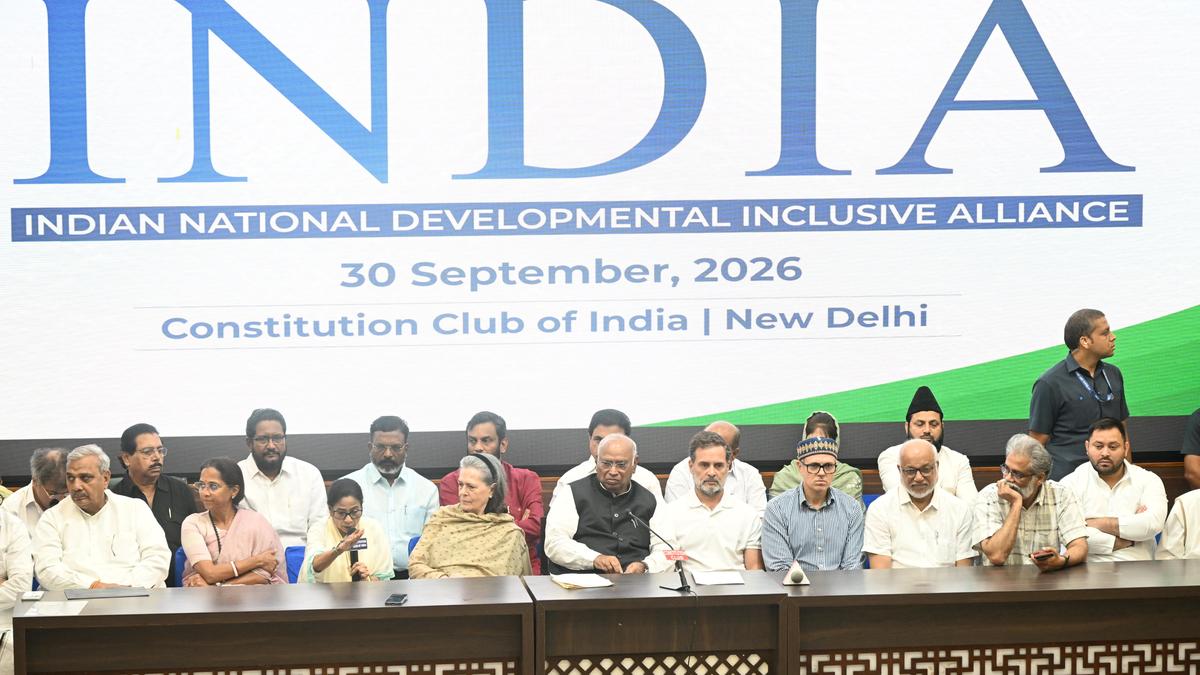
INDIA Bloc Announces Nationwide Campaign Against Chief Election Commissioner

Gujarat Authorities Seize ₹3,000 Crore Worth of Drugs at Sea
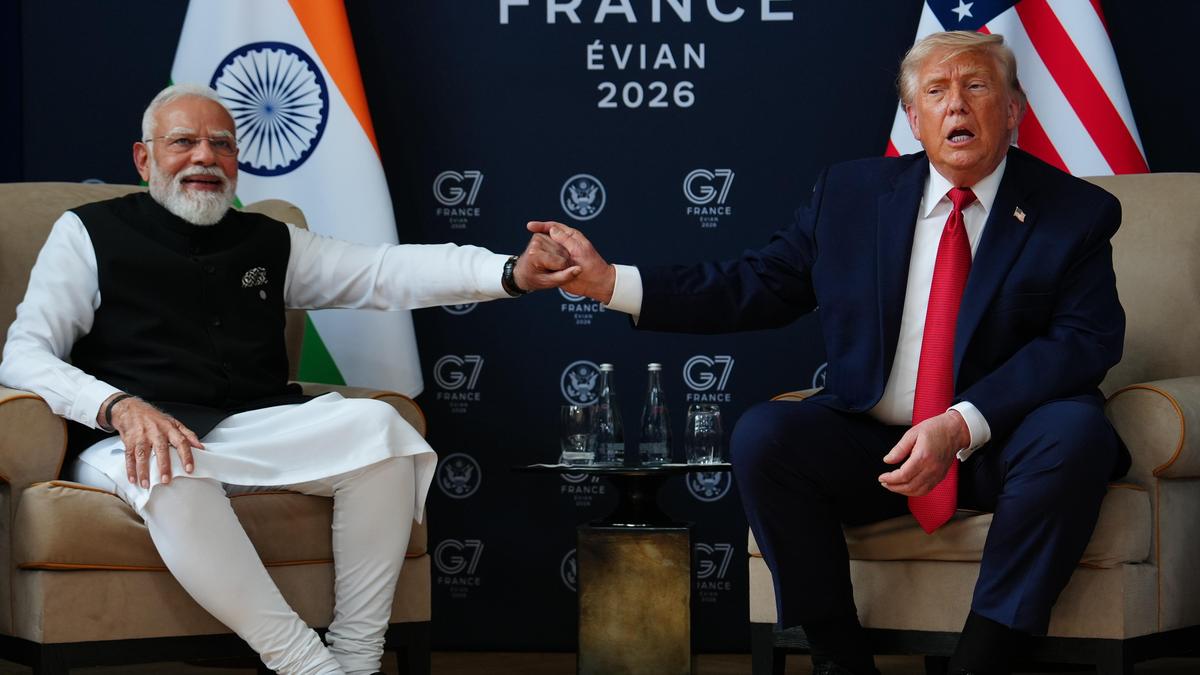
Modi and Trump Discuss Bilateral Cooperation in Key Sectors