West Bengal Ends Religious Allowances, Introduces Women's Schemes


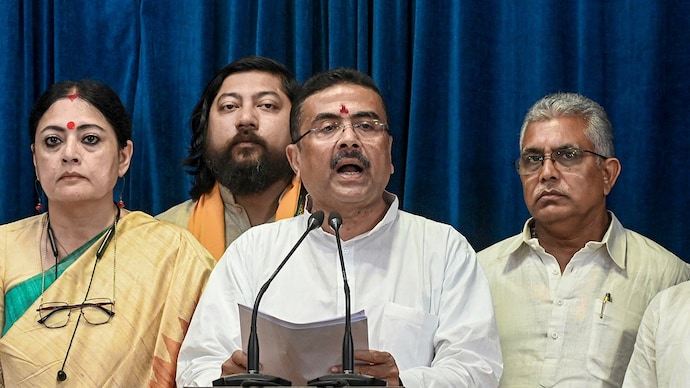
The West Bengal government has announced the discontinuation of religion-based financial assistance schemes for imams and purohits, aligning with a policy shift towards prioritising education over religious allowances. Chief Minister Suvendu Adhikari stated that public funds should be allocated to educational initiatives rather than stipends for religious figures. This decision was made during the cabinet's second meeting under the Bharatiya Janata Party (BJP) administration.
In addressing media following the cabinet meeting, Chief Minister Adhikari defended the new approach, emphasising that the financial resources previously designated for religious allowances would now be channelled into merit-based scholarships available to all students, regardless of community or political affiliation. "Should the government focus on paying stipends to imams and priests, or should it focus on education? Today, the cabinet has ended all religious stipends," he remarked. He further clarified that this would eliminate any perceived preferential treatment based on religion.
Urban Development Minister Agnimitra Paul confirmed that the cabinet will phase out the religion-based assistance programmes managed by both the Madrasa Department and the Information and Cultural Department. These schemes will remain in place until the end of the month, after which they will be formally abolished. While specifics on the programmes were not provided, it was noted that the allowance for imams was previously set at ₹3,000 (approximately £30) per month, and ₹2,000 (approximately £20) for purohits.
The imam stipend was introduced in 2012 by the then ruling Trinamool Congress party led by Mamata Banerjee, while financial support for purohits began during the COVID-19 lockdown in September 2020. The BJP government is portraying this rollback as part of a broader mandate to ensure welfare measures are implemented without religious bias.
In further decisions made during the cabinet session, the West Bengal government has announced the withdrawal of the recent list of communities added to the Other Backward Classes (OBC) category from 2010 to 2024. Notably, many of these additions were from the Muslim community and had been deemed unconstitutional by a Calcutta High Court ruling in 2024. In addition, the government scrapped the sub-categorisation system that was previously instituted by the Mamata Banerjee administration.
A significant new initiative called the "Annapurna Yojana" was also approved, which will provide ₹3,000 financial assistance to women starting from June 1. This scheme was highlighted as one of the BJP's key election pledges in West Bengal. Women currently benefiting from the Lakshmi Bhandar scheme will automatically transition into this new programme, while a dedicated online portal will be set up for those not already enrolled.
Moreover, free bus travel for women across West Bengal is set to begin on the same date, serving as an additional incentive targeted at female voters.
These announcements appear to strike a balance between the sensitive issue of religion-based stipends and a wider welfare agenda aimed at supporting women. Earlier that same day, Chief Minister Adhikari held a 'janata darbar', a public grievance session where he addressed concerns from students and local residents. BJP leaders stated that these sessions would now become a regular aspect of governance, aiming to foster a closer connection with the community.
Utilising social media, the BJP highlighted the recent decisions, asserting that "what West Bengal under TMC couldn’t deliver in 15 years, the Double Engine Government has started showing in its very first week. This is the new West Bengal and the speed of real governance." The 'janata darbar' format has been used by various leaders across India as a direct mechanism for public engagement.
Through these cabinet decisions, the BJP government illustrates its commitment to delivering welfare services, reinforcing governance message, and asserting its ideological stance as central objectives in its political strategy within West Bengal.
Election Commission Extends Deadlines for Andhra Pradesh and Meghalaya
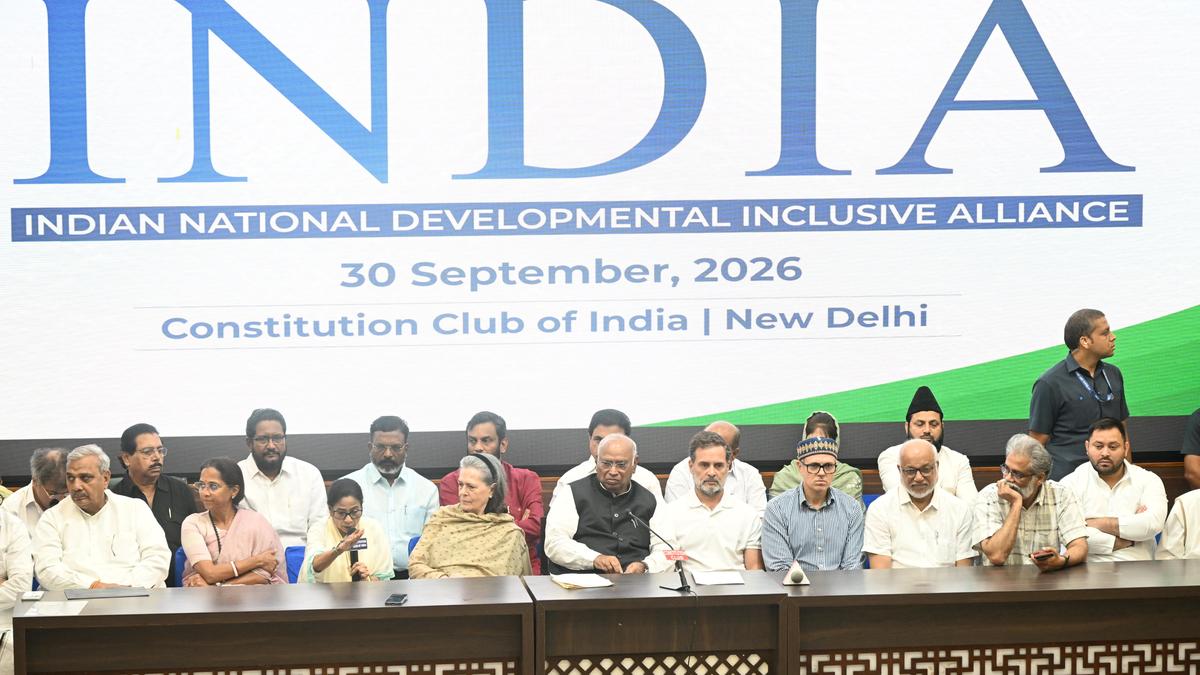
INDIA Bloc Announces Nationwide Campaign Against Chief Election Commissioner
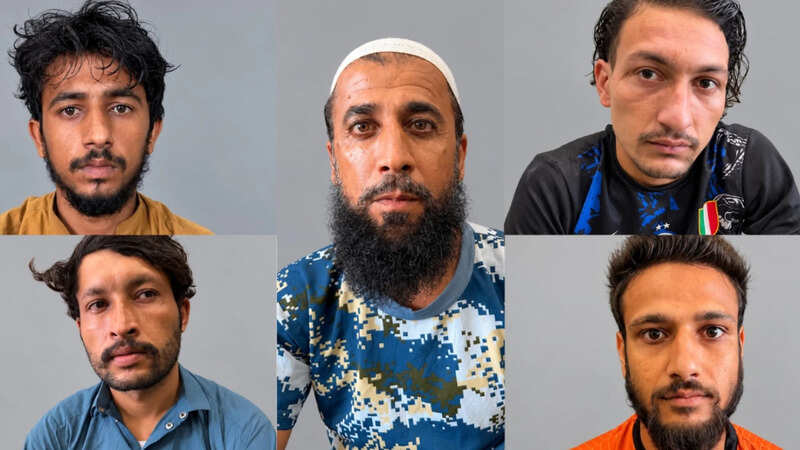
Gujarat Authorities Seize ₹3,000 Crore Worth of Drugs at Sea
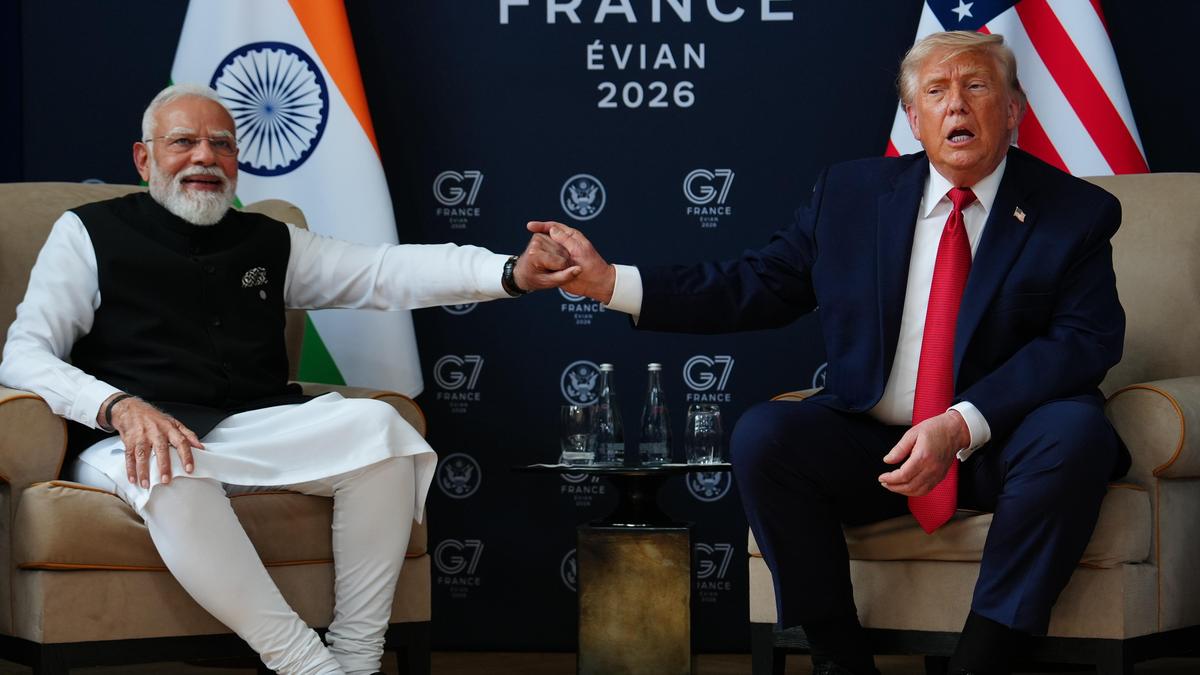
Modi and Trump Discuss Bilateral Cooperation in Key Sectors