Escalating Tensions in Iran Raise Concerns Over Regional Stability


The current situation in the Middle East has intensified, especially with Iran responding to United States proposals through Pakistan, according to Esmaeil Baghaei, spokesperson for Iran’s Ministry of Foreign Affairs. Following this, an unusual social media post from Baghaei drew on a clip from a biopic about former US President Donald Trump, suggesting a discontent with American actions and strategy. This message reflects a broader trend among Iranian officials who have recently employed literary and historical references in critiquing US policies.
In parallel, Jean-Luc Mélenchon, a prominent figure in France's leftist political party, condemned what he described as European complicity in the US-Israeli military actions against Iran. He expressed his concerns on the platform X, arguing that the aggressive statements from Trump and Israeli Prime Minister Benjamin Netanyahu have resulted in heightened global tensions. Mélenchon urged the French electorate to reconsider the country's alignment with these leaders as the 2027 presidential elections approach.
Reports from Tehran indicate a sharp escalation in hostile rhetoric from the US as Trump warned that the 'clock is ticking for Iran,' implying significant consequences if Iran does not act swiftly. An Iranian military spokesperson responded with a stance of defiance, suggesting that any new confrontation would result in severe repercussions for US interests in the region. This exchange of threats underscores an increasingly hardened tone from both parties, complicating diplomatic avenues that have been narrowing.
The Yemen-based Houthi military leadership also expressed its solidarity with Palestinian factions, pledging support following the death of a senior commander in Hamas. This commitment reflects the interconnectedness of regional conflicts and alliances.
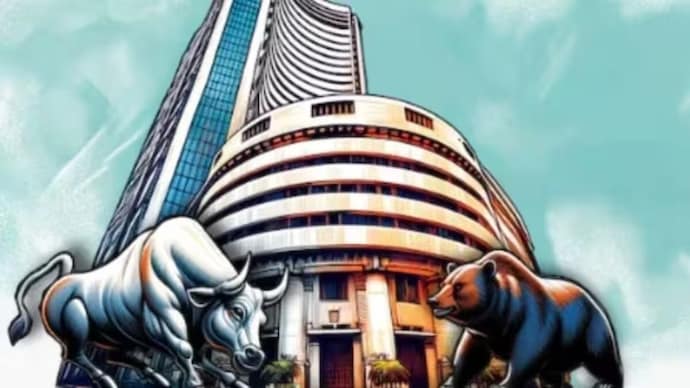
In related economic developments, concerns are growing over the impact of escalating tensions on regional economies. The United Arab Emirates recently experienced a drone attack on a nuclear facility, significantly affecting market sentiments globally. Reports indicate that stock markets are likely to open lower due to surging crude oil prices and a weakening rupee in India, where imports heavily depend on oil.
Investor apprehension is driven by increased oil costs which amplify inflation risks and affect trade balances for oil-importing nations like India. As geopolitical factors continue to play a significant role in economic stability, analysts are monitoring global markets closely for further developments.
In one foreign exchange report, the Indian rupee fell to a record low amid the backdrop of rising tensions and ongoing foreign capital outflows. The fracturing of market confidence has led to cautious trading, with predictions of ongoing volatility in the near future as stakeholders navigate these geopolitical challenges.

Election Commission Extends Deadlines for Andhra Pradesh and Meghalaya
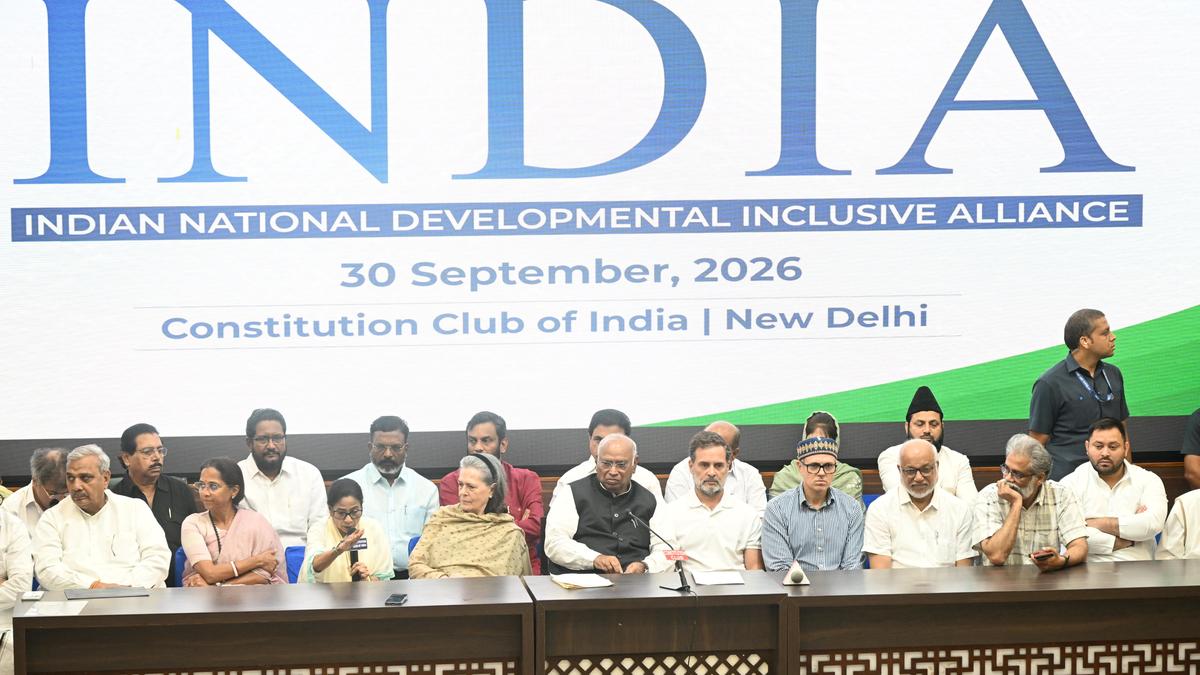
INDIA Bloc Announces Nationwide Campaign Against Chief Election Commissioner

Gujarat Authorities Seize ₹3,000 Crore Worth of Drugs at Sea
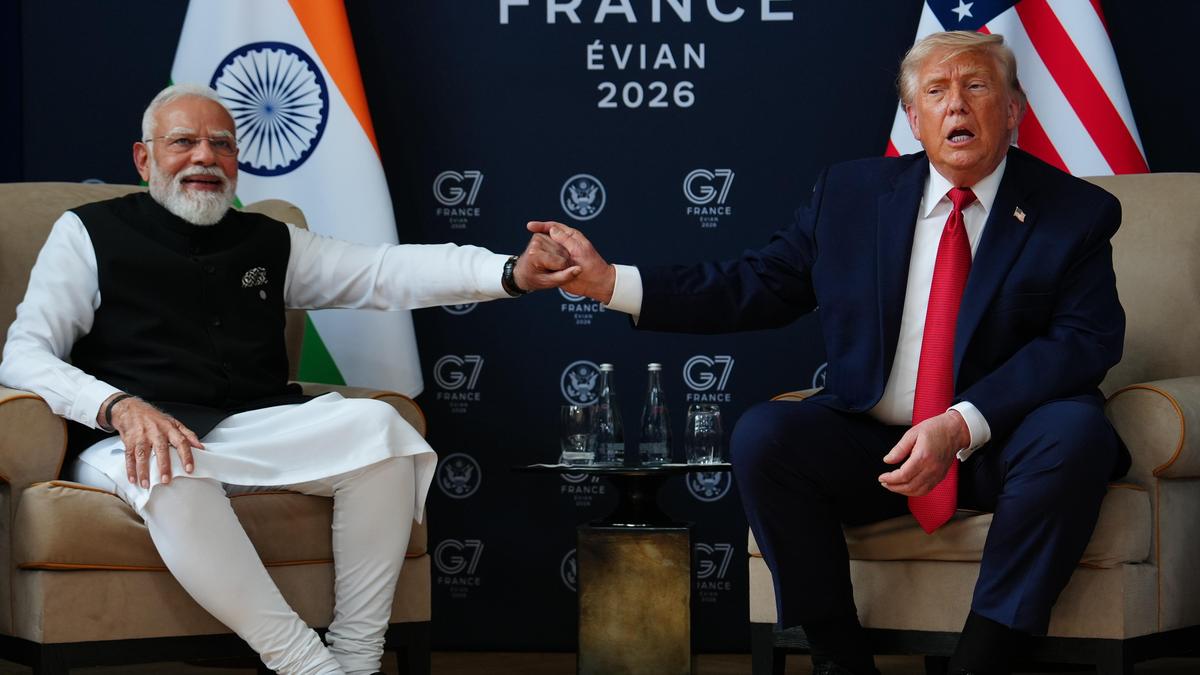
Modi and Trump Discuss Bilateral Cooperation in Key Sectors