Progress in US-Iran Negotiations and Global Oil Market Impact


The Indian Embassy in Tehran has updated its travel advisory, advising citizens to avoid unnecessary travel to Iran despite improving conditions. The embassy has urged Indian nationals in the region to remain vigilant, register with local authorities, and follow guidance issued by them.
In a significant development, Pakistan has announced that the next round of technical negotiations between the United States and Iran is set for next week. This follows initial discussions held earlier this week in Switzerland, where both parties began to address key issues linked to a proposed peace agreement aimed at resolving ongoing tensions.
Oil prices have reacted sharply to the latest developments in the conflict, with crude oil prices dropping below $76 per barrel—the lowest recorded since the onset of hostilities between the US and Iran. This decrease is attributed to a steady tanker traffic flow out of the Strait of Hormuz, alongside reduced fears of supply outages. Iran announced that it plans to release $12 billion in frozen assets as part of the ongoing negotiations, which would also involve sanctions relief and a proposed rehabilitation fund estimated at $300 billion. However, this announcement has drawn criticism from Gulf nations, who warn that such funds could be diverted to bolster Iran's military capabilities and support organisations like Hezbollah.
The head of the International Atomic Energy Agency (IAEA), Rafael Mariano Grossi, indicated on Wednesday that team inspectors would soon gain access to Iran's uranium enrichment facilities. This access is considered a crucial element of the interim agreement under negotiation between Washington and Tehran.
In further diplomatic moves, Qatar's Prime Minister Sheikh Mohammed bin Abdulrahman Al Thani highlighted the necessity for a direct communication link between the United States and Iran to mitigate disruption in the Strait of Hormuz. He expressed confidence that Qatar's liquefied natural gas production would return to normal levels within weeks.
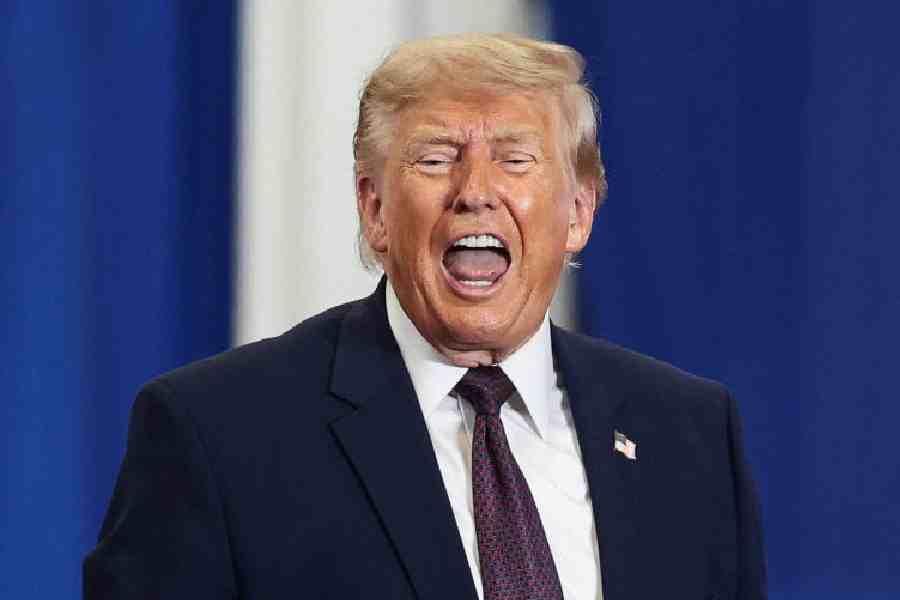
On the legislative front, US President Donald Trump has expressed displeasure regarding a recent Senate vote that could potentially limit his administration's military options concerning Iran. The Senate, controlled by Republicans, cast a vote to invoke the War Powers Act, effectively ending US military actions against Iran unless further Congressional approval is granted. This resolution was passed by a narrow margin of 50 to 48 and has already cleared the House. Four Republican senators sided with Democrats, a move that Trump asserts complicates US leverage over Iran at a critical juncture.
Simultaneously, the US has relaxed travel restrictions for Iran’s national football team, permitting them an additional day of preparation for their World Cup match scheduled in Seattle. A spokesperson from the Department of Homeland Security confirmed the adjustment.
President Trump has placed conditions on the release of Iran's funds, stipulating that they can only be used for purchasing food and medical supplies from the United States. In a post on Truth Social, Trump clarified that the funds controlled by the US Treasury would be held in escrow for these specific purposes. However, Iranian officials rejected this interpretation, asserting that the funds would be available for use as Tehran sees fit.
Oil prices are continuing their downward trend, with Brent crude slipping below $77 a barrel as more tankers resume transiting the Strait of Hormuz, signifying growing assurance that disruptions to global energy supplies may diminish. West Texas Intermediate traded near $73, reflecting broader market confidence.
The US Secretary of State has described the ongoing sanctions waiver for Iran as a temporary measure, asserting that Tehran must uphold its commitments as outlined in the agreement. Failure to do so could lead to reinstated sanctions, he noted during a press briefing in Kuwait City.
Iranian Foreign Ministry spokesman Esmaeil Baghaei responded sharply to US Secretary of State Marco Rubio's remarks linking regional instability to Iran-supported groups. He emphasised that the primary obstacle to peace in the Middle East lies with American policies and military presence, a sentiment echoed in his communications on social media.
As prospects for a deal evolve, the international landscape remains cautious, with key stakeholders monitoring the situation closely.
Impact of Trump's Tariff Law on India's Oil Imports and Trade
United Russia Party Secures Supermajority Despite Ukraine Conflict
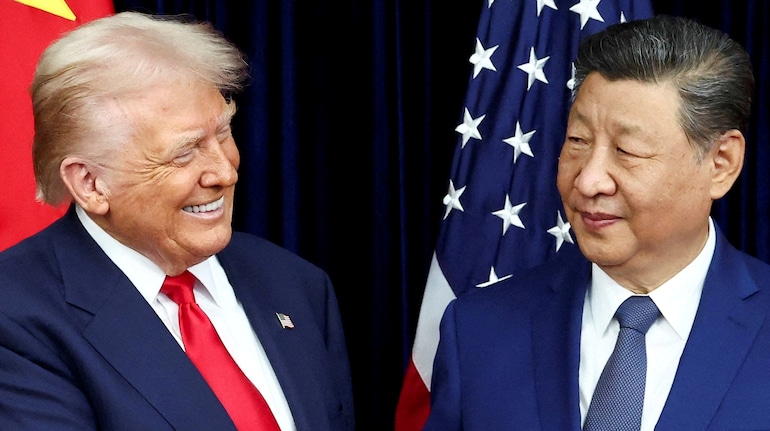
Xi Jinping's US Visit Planned Amid Economic Tensions with Trump
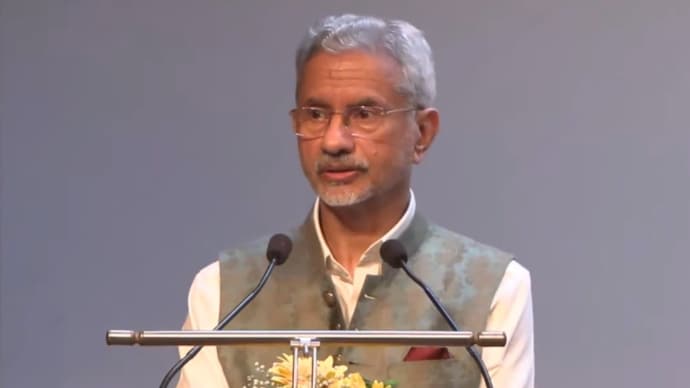
India's External Affairs Minister to Address UNGA Amid US Tariff Changes