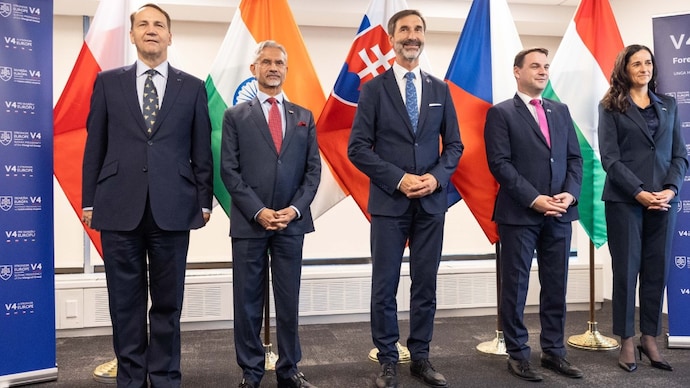
India Condemns Pakistan's Remarks on Jammu and Kashmir at UN Meeting


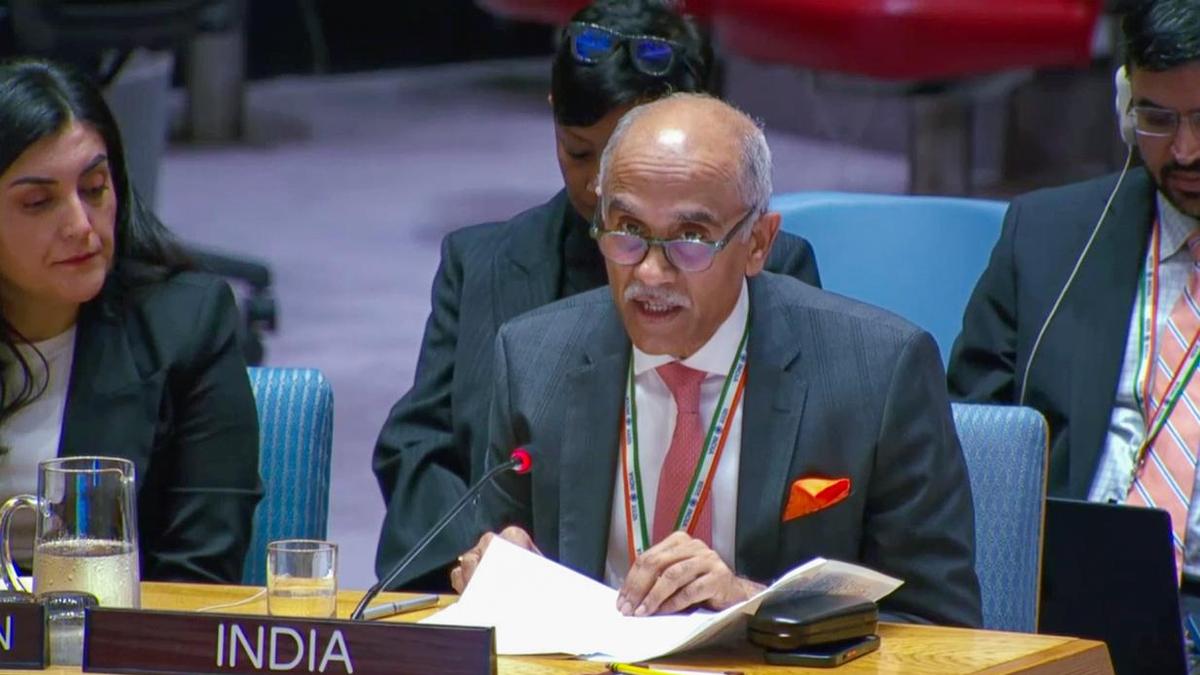
India's Permanent Representative to the United Nations, Ambassador Parvathaneni Harish, condemned Pakistan for making what he termed 'unwarranted' remarks regarding the Union Territory of Jammu and Kashmir during an informal United Nations Security Council (UNSC) meeting. The meeting, held on June 23, 2026, was organised by the Permanent Missions of Pakistan and China and focused on the theme 'Bridging the Implementation Gap: Security Council Resolutions and the Maintenance of International Peace and Security'.
In his address, Mr. Harish stated, 'It is incredible that a co-chair expected to be balanced and unbiased in conduct has chosen to politicise this forum.' He emphasised that Jammu and Kashmir is a matter 'strictly internal' to India, asserting that it has always been, is, and will continue to be so.
The tensions between India and Pakistan over the Kashmir issue have been longstanding, with India consistently asserting its claim to the Union Territories of Jammu and Kashmir and Ladakh. India's stance is clear: it rejects any form of third-party mediation, maintaining that Jammu and Kashmir is an internal matter.
During the meeting, Pakistan's Permanent Representative to the UN, Ambassador Asim Iftikhar Ahmad, raised the Kashmir issue, prompting Mr. Harish's remarks. The Indian envoy also pointed out the distinct roles of Chapters VI and VII of the UN Charter, which govern the Security Council's responses to international conflicts.
Chapter VII, he explained, relates to threats to peace and the necessary actions that must be taken, while Chapter VI provides a framework for the peaceful resolution of disputes. Mr. Harish noted that these chapters serve different purposes and should be applied accordingly. He also called for a review of outdated mediation frameworks under Chapter VI of the UN Charter, noting that many issues on the UNSC agenda require renewed approaches based on evolving realities.
India has long advocated for a reformed and expanded UNSC, claiming that the current 15-member structure does not reflect the modern geopolitical landscape. This position is supported by a growing number of countries, including several European nations and the members of the G4 grouping—Brazil, Germany, and Japan.
As India continues to navigate its position within the UN framework, the Kashmir issue remains a critical point of contention with Pakistan, influencing bilateral relations and broader regional stability.
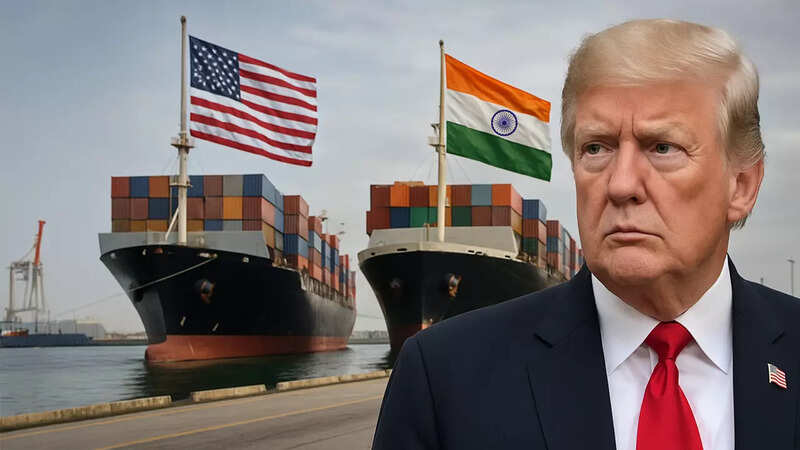
Impact of Trump's Tariff Law on India's Oil Imports and Trade
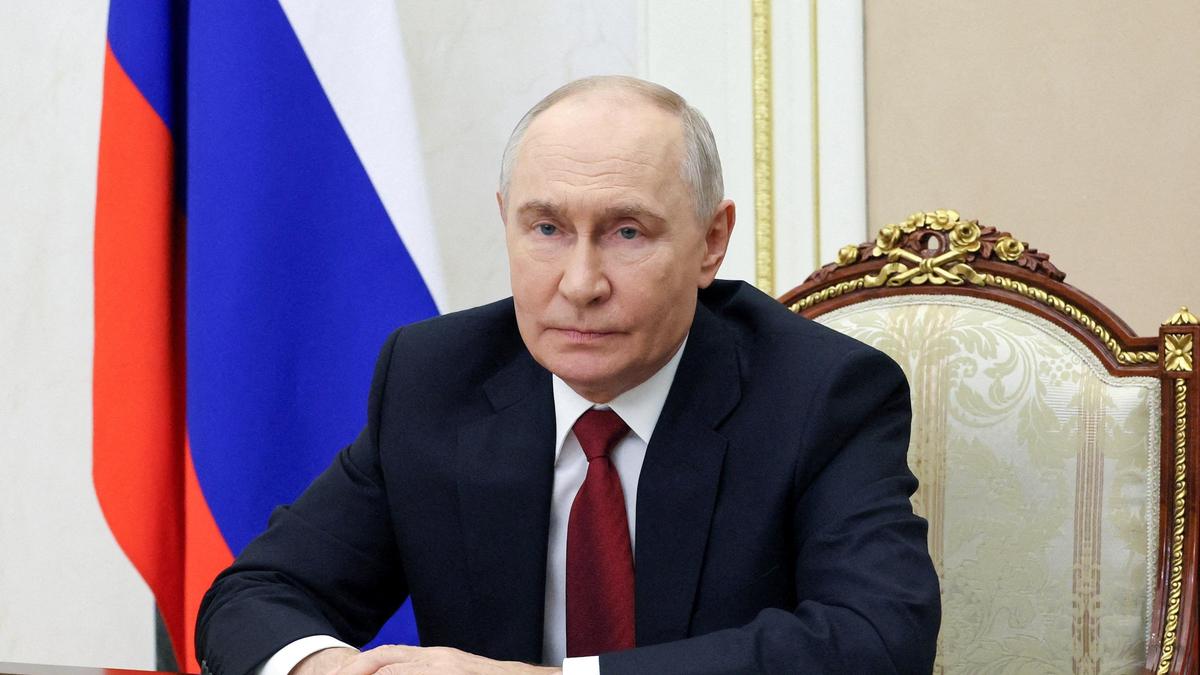
United Russia Party Secures Supermajority Despite Ukraine Conflict
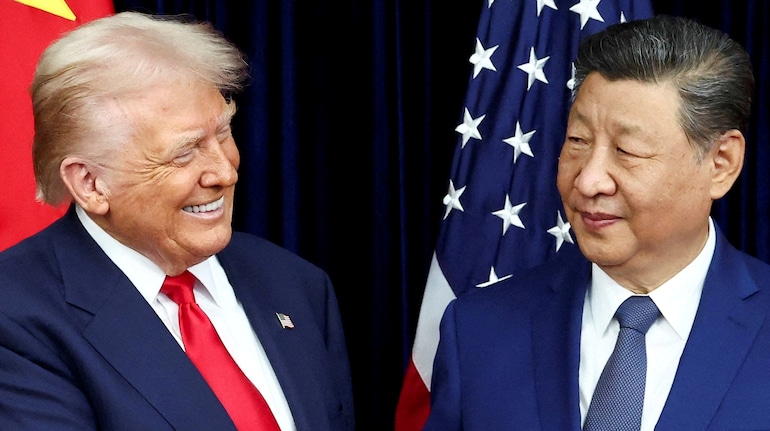
Xi Jinping's US Visit Planned Amid Economic Tensions with Trump
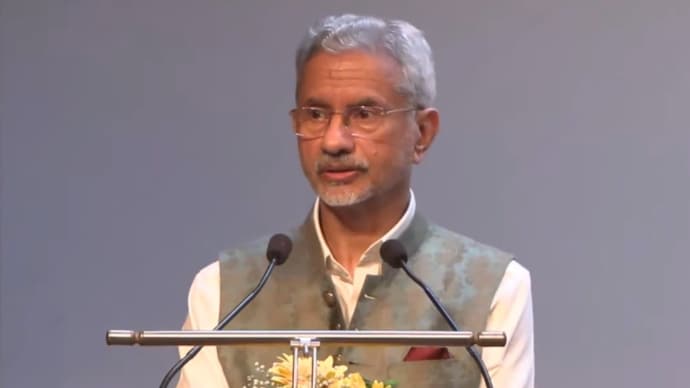
India's External Affairs Minister to Address UNGA Amid US Tariff Changes