PM Modi Unveils New Prime Minister's Office at Seva Teerth Complex


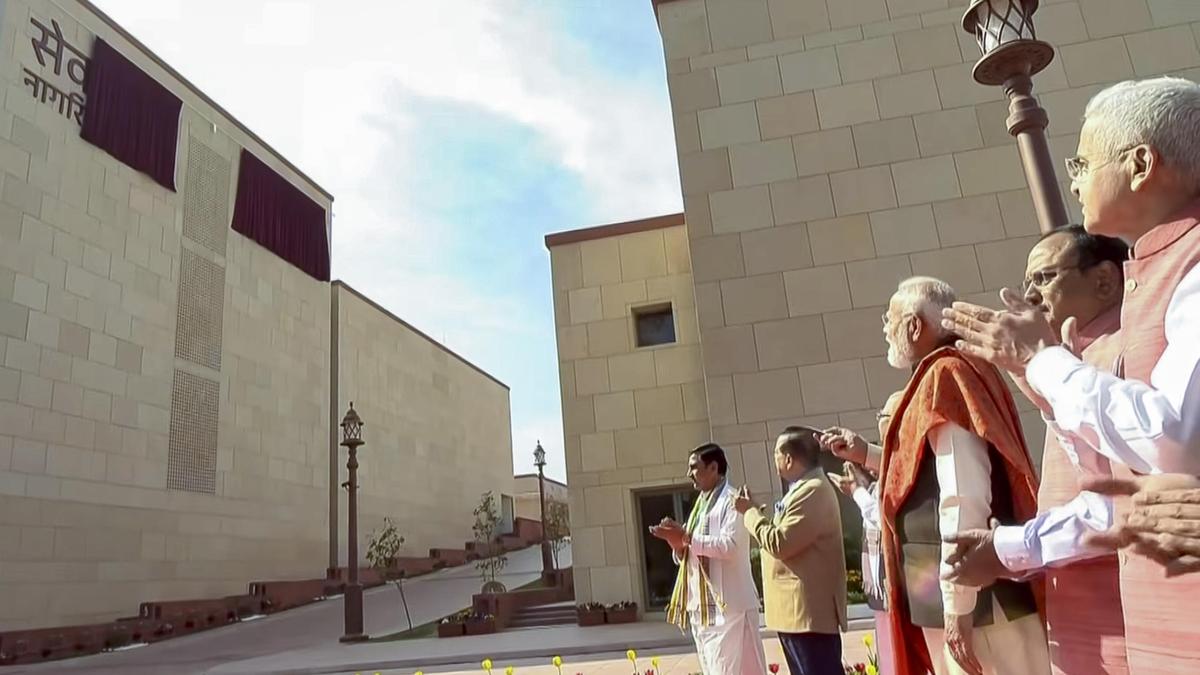
On 13 February 2026, Indian Prime Minister Narendra Modi officially opened the Seva Teerth complex in New Delhi, marking a significant update to the Prime Minister's Office (PMO). The new facility will also accommodate the National Security Council Secretariat and the Cabinet Secretariat, aiming to centralise key government functions.
During the inauguration, Prime Minister Modi unveiled a plaque featuring the name 'Seva Teerth', which translates to 'Service Pilgrimage', inscribed in Devanagari script. Below the name is the phrase 'Nagrik Devo Bhava', meaning 'the citizen is akin to God'.
Previously located in the South Block on Raisina Hill, the PMO will now be housed in Seva Teerth, facilitating better coordination between the various offices that were previously scattered across different locations. This transition is seen as a step towards modernising and streamlining India's governance structure.
In attendance at the event were Union Minister of Housing and Urban Affairs Manohar Lal and Minister of State for the PMO Jitendra Singh, along with several officials from the PMO.
The Modi administration has been actively working since 2014 to dissociate from symbols of India's colonial legacy. Recent initiatives include renaming important landmarks and buildings. The Central Secretariat buildings have been redesignated as Kartavya Bhawan, while Rajpath has been changed to Kartavya Path. Additionally, Race Course Road, housing the Prime Minister's official residence, is now known as Lok Kalyan Marg. Raj Bhavans and Raj Niwases have also been renamed Lok Bhavans and Lok Niwases, respectively.
According to a statement from the PMO, the establishment of the Seva Teerth complex represents an essential milestone in transforming India’s administrative governance. This reflects the Prime Minister's dedication to developing a modern governance framework that prioritises efficiency and accessibility for citizens.
For decades, various government ministries and offices operated from outdated and fragmented facilities within the Central Vista area. This long-standing dispersion contributed to operational inefficiencies and increased maintenance costs. The new complex aims to rectify these issues by unifying essential administrative functions within up-to-date, purpose-built spaces.
The last Union Cabinet meeting held in the South Block marked the end of an era, as the focus now shifts towards a consolidated administrative approach under the newly established Seva Teerth complex. The move is anticipated to foster better integration and effectiveness in India’s governance architecture.
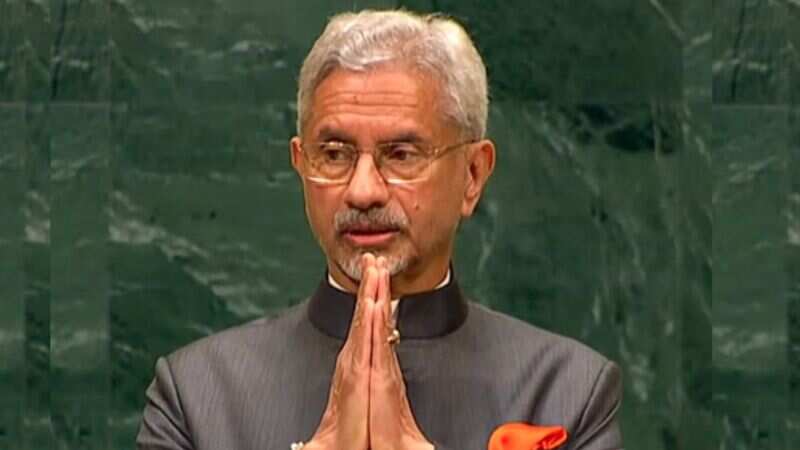
India's Jaishankar Criticises Pakistan at UN General Assembly
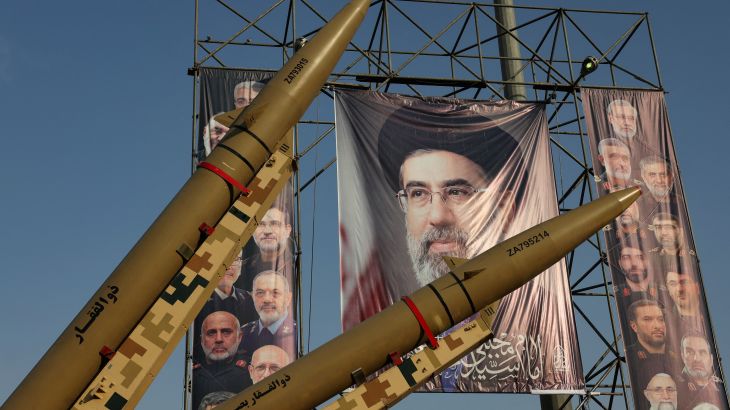
Iran Asserts Readiness for War Amid Rising Tensions in Hormuz
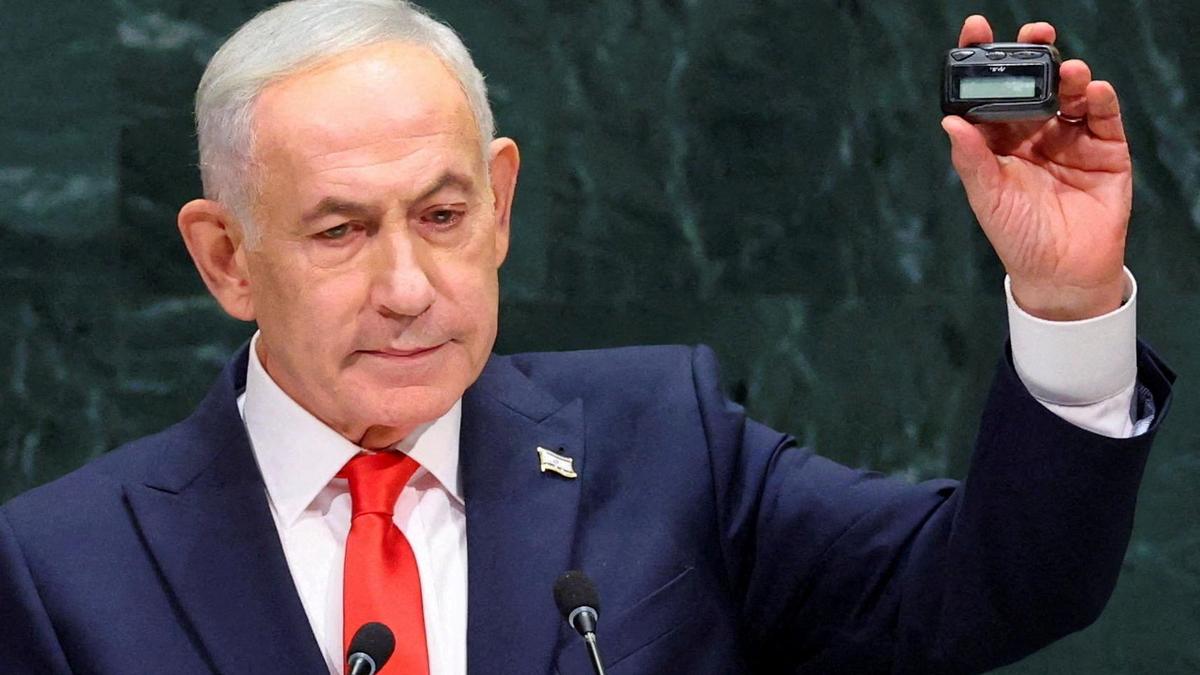
Israeli Prime Minister Netanyahu Makes Unannounced Visit to UAE

World Leaders Gather for Climate Summit, Pledges Made