Paris Bans Public Alcohol Amid Record Heatwave Concerns



On 26 June, authorities in Paris imposed a prohibition on alcohol consumption in public areas as the city experienced extreme temperatures, hitting a record of 40.9 degrees Celsius. This measure is not a routine public order enforcement but a necessary response to overwhelming health risks exacerbated by the heat. Paris Police Chief Patrice Faure revealed that local hospitals faced saturation, with ambulance services responding to nearly 2,500 calls daily, approximately double the usual volume.
Health Minister Stéphanie Rist reported a staggering increase in cardiac arrests, with young individuals among those affected. Faure pointed out that consuming alcohol in direct sunlight can have severe consequences for health. The ban will remain in effect over the weekend, coinciding with suspended sporting events, a postponed Pride march, and a cancelled music festival.
The underlying issue stems from dehydration, as alcohol acts as a diuretic. It inhibits vasopressin, a hormone that regulates water retention, leading to increased urine production. In a heatwave, where individuals already lose substantial fluids through sweat, alcohol further accelerates this process, significantly increasing the risk of dehydration. Additionally, the intake of alcohol causes vasodilation, widening blood vessels which can lead to lowered blood pressure, dizziness, and faintness, particularly dangerous under such extreme temperatures.
This weather phenomenon is described by meteorologists as an Omega block, where a persistent dome of high pressure causes hot air to be trapped over a region. Consequently, temperatures have soared across France, prompting a rise in heat-related incidents. Since 18 June, at least 55 individuals have drowned in attempts to cool off in rivers and lakes, according to reports.
The World Weather Attribution group stated that human-induced climate change significantly contributed to this extreme heatwave, making such stifling conditions vastly more likely than in previous decades. The group noted that the mild nights, which are critical for recovery, have become around 100 times more probable due to climate factors. Faure stressed the importance of reducing the pressure on health services: "My job is to prevent the emergency system from being overwhelmed," he stated, urging the public to consider replacing alcoholic beverages with hydration from water during this dangerous heatwave.

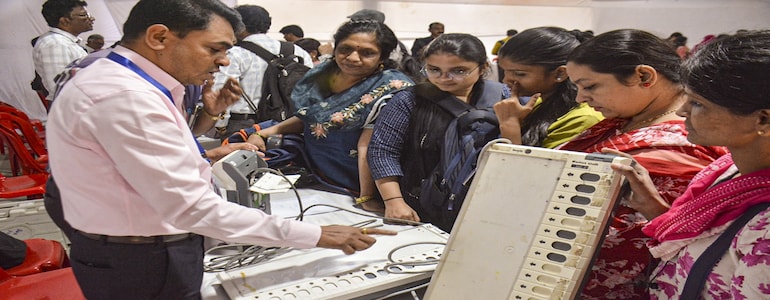
BJP Allies Urge Election Commission to Address Public Concerns
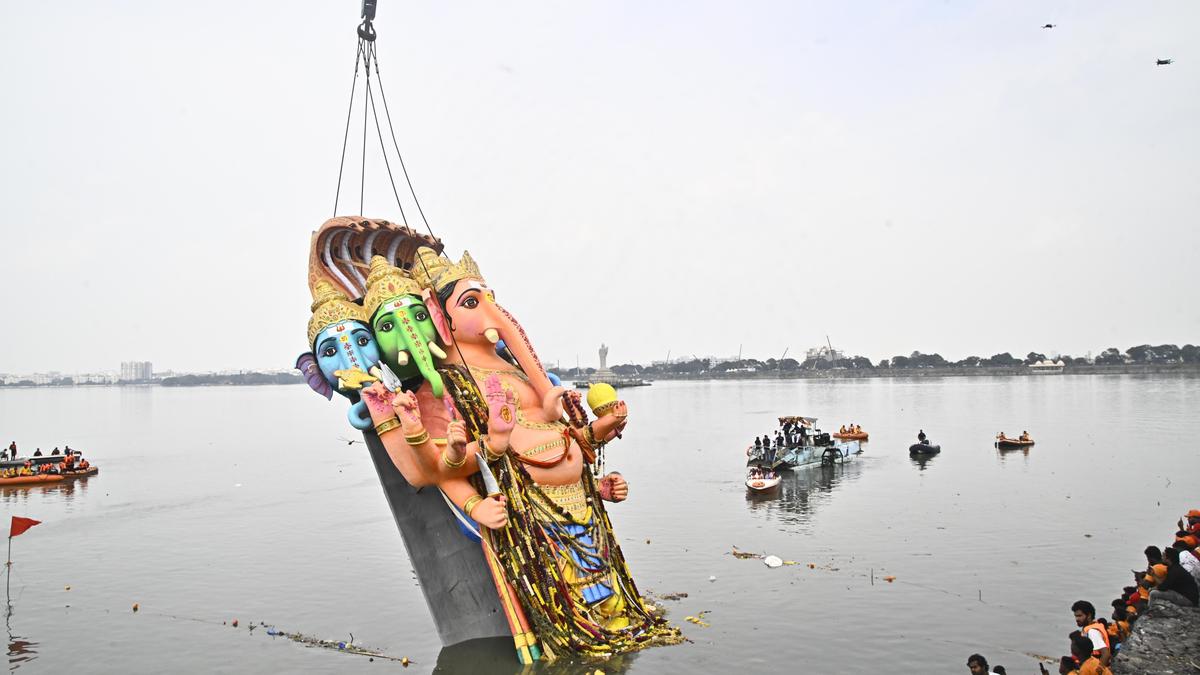
Thousands of Ganesh Idols Immersed in Telangana Festivities
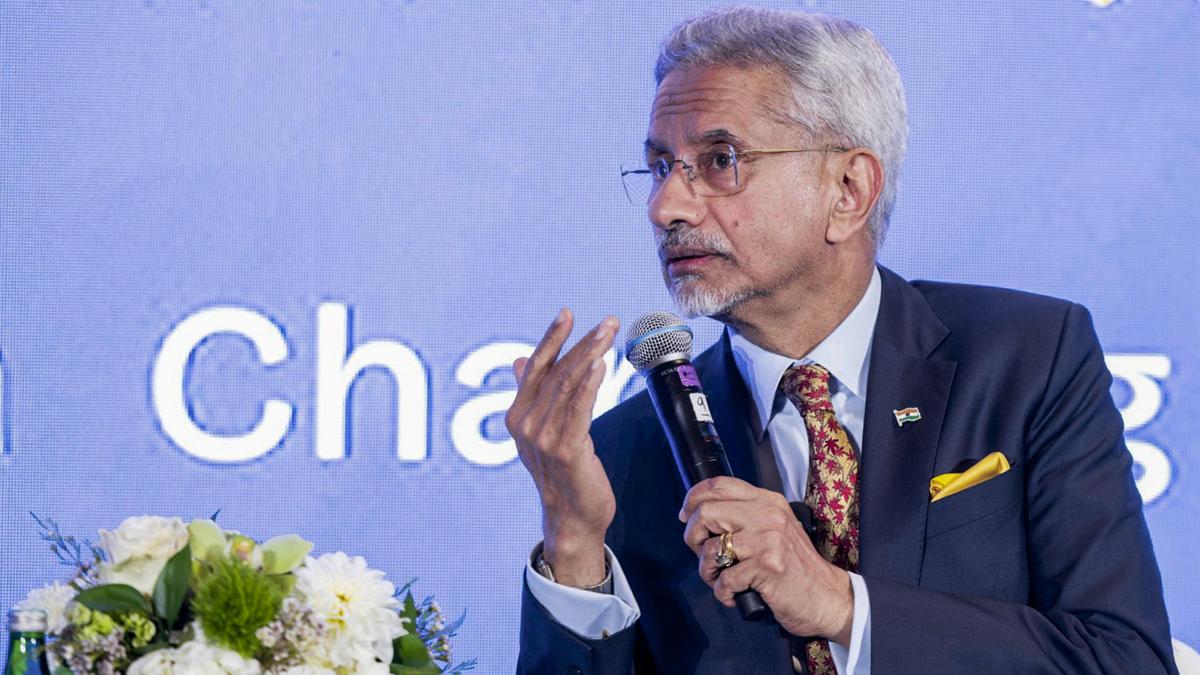
Jaishankar Calls Attacks on Civilian Shipping ‘Indefensible’
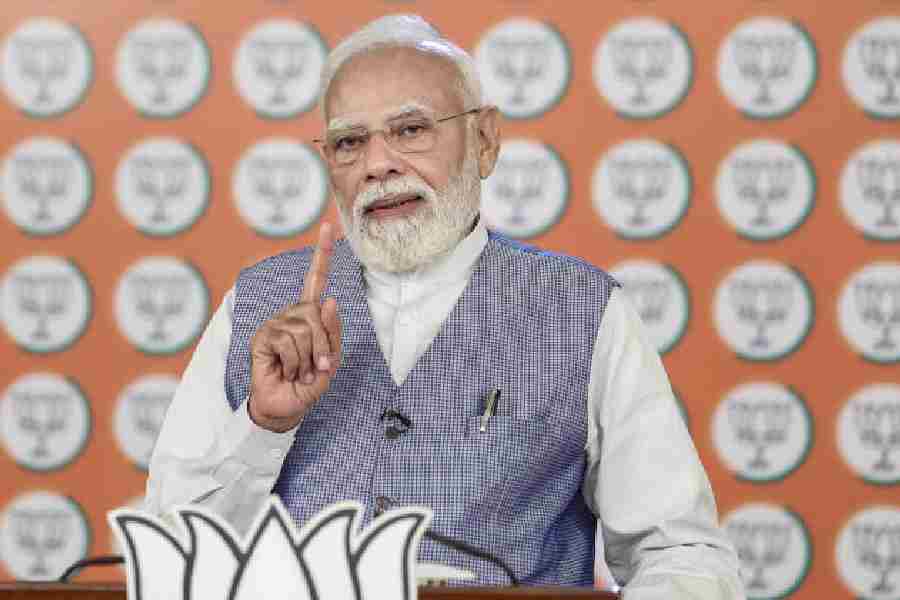
Indian Prime Minister Urges Integration of Social Reforms in Governance