Pakistan Urges US and Iran to Uphold Ceasefire After Talks Fail


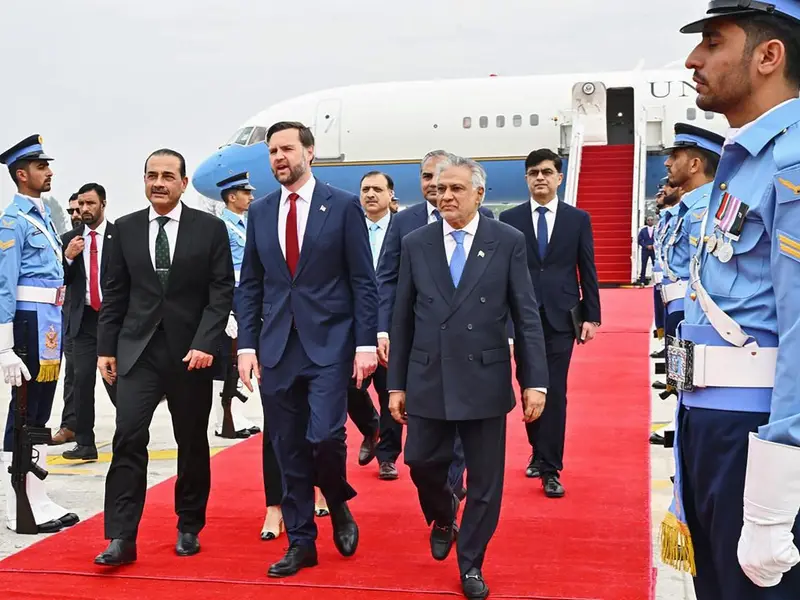
Following unsuccessful negotiations in Islamabad between the United States and Iran, Pakistan's Deputy Prime Minister and Finance Minister Ishaq Dar has called on both countries to reaffirm their commitment to a ceasefire. He described it as "imperative" for the involved parties to uphold their agreements.
The Islamabad discussions, hosted by Pakistan, concluded without any formal agreement. According to a statement from the Foreign Ministry of Pakistan, the country played a mediatory role in the talks, which continued over a 24-hour period before ending on Sunday, April 12.
"On behalf of Pakistan, I would like to express gratitude to the two sides for appreciating Pakistan's efforts to help achieve the ceasefire and its mediatory role," Ishaq Dar stated at a news conference. He expressed hope that the negotiations would resume with a spirit of cooperation to foster peace and prosperity in the region.
The talks faced significant obstacles related to a range of contentious issues, including Iran's nuclear programme and disputes surrounding the strategic Strait of Hormuz. Iranian state media reported that the US made "unreasonable demands," leading to a standstill in discussions. The Iranian government maintained that expectations of reaching a consensus in a single meeting were unrealistic.
Summarising the discussions, US envoy to the talks, Vance, stated, "We leave here with a very simple proposal, a method of understanding that is our final and best offer. We’ll see if the Iranians accept it.” He emphasised the necessity for Iran to demonstrate a commitment to not pursuing nuclear weapon capabilities.
Despite the impasse, Iran's foreign ministry conveyed confidence in continuing its dialogue with Pakistan, emphasising the importance of such communications for future negotiations. Meanwhile, Lebanon has emerged as a significant point of contention in the ongoing international dialogue, particularly following recent Israeli strikes on Hezbollah and Iran's involvement in regional tensions.
As the situation unfolds, Pakistan's role as a mediator may prove crucial in bridging the gaps between the two nations and rebuilding trust essential for any future agreements.
Trump, Putin, and Xi to Meet at APEC Summit in Shenzhen, China
Congress Criticises Adani for Dramatic Cost Cut in Maharashtra Project

Urban Infrastructure Crucial for India's Manufacturing Growth

India Extends Ban on Zakir Naik's Islamic Research Foundation