Pakistan Implements Austerity Measures Amid Rising Fuel Prices


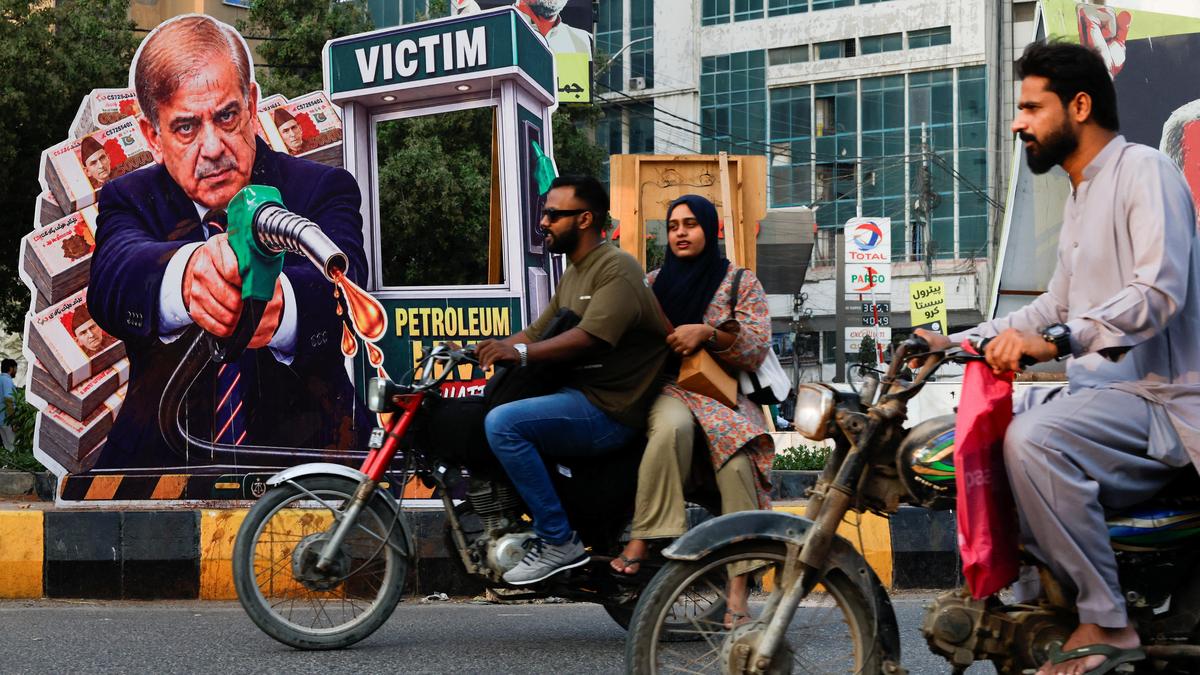
Pakistan has introduced a series of austerity measures to address rising fuel prices and energy shortages exacerbated by geopolitical tensions in the region. The new policies aim to significantly reduce government spending and energy consumption.
The measures include a 50 per cent cut in fuel allocations for official vehicles over the next three months. Additionally, there is a complete ban on purchasing vehicles for government use, along with restrictions on foreign travel by officials. Official dinners have also been eliminated as part of this strategy.
These actions were outlined in an official statement from the Prime Minister's Office. The government has mandated a five per cent reduction in the Non-Employee Related Expenditure Budget for the fiscal year 2026-27, while durable goods can only be purchased for information technology. Officials have been encouraged to use teleconferencing for meetings wherever feasible to further mitigate fuel use.
As part of the austerity measures, the government announced that only one dish will be served at weddings and similar events throughout the nation. This initiative follows a similar set of restrictions issued earlier in the year, which aimed to reduce fuel consumption across government departments, including a temporary closure of schools for two weeks.
The latest measures come as Pakistan continues to face significant challenges related to gas and electricity supply. The situation has worsened due to disruptions in the liquefied natural gas (LNG) supplies, a consequence of ongoing conflicts in West Asia. This has led to increases in petrol prices, with the most recent hike pushing petrol to 384.34 Pakistani Rupees per litre and diesel to 415.83 Pakistani Rupees per litre.
To mitigate the impact on consumers, Climate Change Minister Musadik Malik announced a fuel relief scheme. This policy, which began recently, offers a subsidy of 100 Pakistani Rupees, or approximately 36 cents, per litre for owners of motorcycles, rickshaws, and small vehicles, subject to a monthly quota.
Compounding these issues are fears of further disruptions in regional energy markets due to ongoing conflicts in areas such as the Strait of Hormuz and Yemen. For a country heavily reliant on energy imports, these challenges are creating a precarious combination of rising fuel costs and increasing shortages of gas and electricity.
The Pakistani government's austerity measures represent a significant step as the nation attempts to navigate this multifaceted crisis, focusing on conserving resources and further ensuring governmental budget discipline.
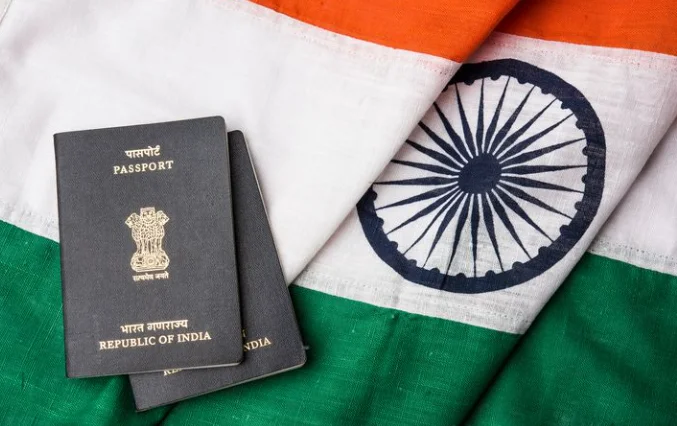
India Revises Passport Rules for Minors Under 15 Years Old
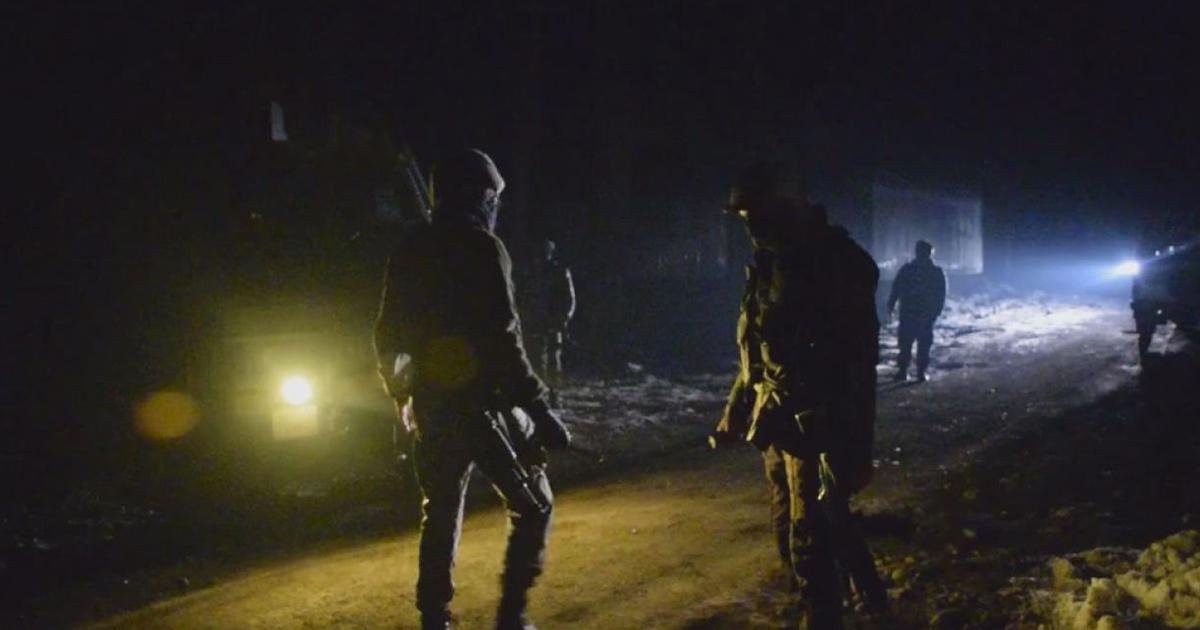
Two Militants Killed in Udhampur Gunfight During Anti-Terror Operation

North Korea Threatens Stronger Response to US-Led Military Drills
F-16 Fighter Jet Crashes in Michigan, Pilot Ejects Safely