Pakistan Hosts Talks Between Regional Powers Amid Iran Conflict


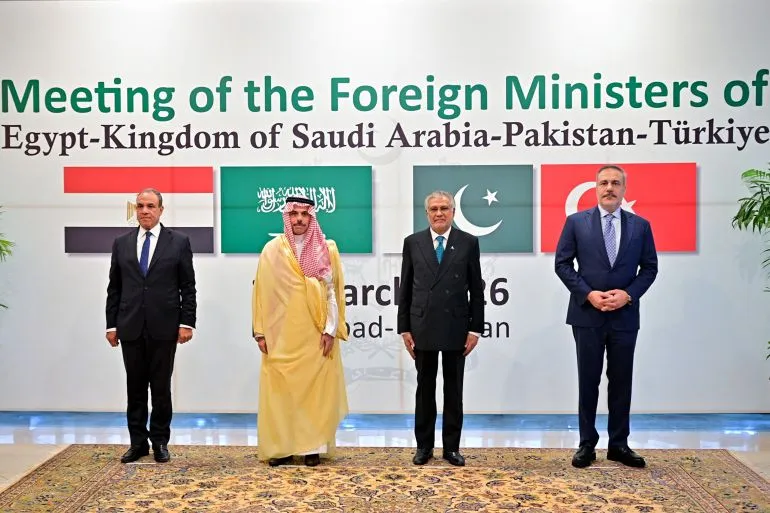
Key foreign ministers from Turkey, Saudi Arabia, and Egypt are meeting in Islamabad, Pakistan, in a bid to alleviate tensions stemming from the ongoing conflict involving Iran, now entering its 30th day. This diplomatic effort takes place in light of growing concerns about the escalating fighting, which has contributed to a significant global energy crisis. Egyptian Foreign Minister Badr Abdelatty, Turkish Foreign Minister Hakan Fidan, and Saudi Foreign Minister Faisal bin Farhan Al Saud arrived in the Pakistani capital on Sunday to participate in the two-day discussions with Pakistan's Deputy Prime Minister Ishaq Dar.
Osama Bin Javaid, reporting for Al Jazeera, stated that Islamabad has emerged as a central hub for diplomatic negotiations aimed at terminating the hostilities between the United States and Israel on one side, and Iran on the other. These meetings were initially discussed in Riyadh, the capital of Saudi Arabia. Ishaq Dar, who also serves as Pakistan's foreign minister, aims to leverage this framework to develop a regional alliance that may eventually incorporate larger players like Indonesia and Malaysia.
The regional talks follow a phone call over the weekend between Ishaq Dar and Iranian Foreign Minister Abbas Araghchi. According to a statement shared on Araghchi's official Telegram channel, Dar provided insights into the initiatives undertaken by the four nations to secure an immediate ceasefire in the conflict. Araghchi responded by condemning what he termed “heinous crimes” committed by the United States and Israel against Iran, alleging deliberate attacks on civilian infrastructure, including schools and hospitals.
As a gesture to reinforce confidence following the discussions, Pakistan announced that Iran has permitted 20 Pakistani-flagged ships to navigate through the Strait of Hormuz, allowing for two vessels per day. This development is perceived as a signal to the United States that there has been some success in easing restrictions in this crucial maritime passage, where approximately 20 per cent of the world’s oil and gas supplies traverse.
The conversations occur as US President Donald Trump has recently extended a deadline for Iran to reopen the Strait of Hormuz. Tehran’s control of this critical waterway has caused the worst energy crisis since the 1973 oil embargo. Trump has proposed a ceasefire plan comprising 15 points; however, Iran has dismissed it while putting forth its own demands, including the cessation of US-Israeli military actions, reparations for damages incurred during the conflict, and security guarantees against future aggression.
Since the onset of the war on February 28, initiated by Trump and Israeli Prime Minister Benjamin Netanyahu amid ongoing nuclear negotiations between Washington and Tehran, the dynamics within the region have shifted considerably. Oman, which facilitated those negotiations, noted that the conflict erupted despite a prospective agreement being imminent.
Pakistan’s role in these discussions is described as navigating a complex diplomatic landscape. The country has strong military ties with Saudi Arabia while also sharing a long border and cultural connections with Iran. Moreover, Pakistan is home to the world's second-largest Shia Muslim population, following Iran. Kamal Hyder from Al Jazeera emphasized the complication of holding discussions that aim to bring both American and Iranian parties back to the negotiating table.
Political analyst Zahid Hussain characterised Pakistan’s diplomatic task as precarious. He pointed out that while Islamabad has condemned the recent hostilities directed at Iran and Gulf states, it has conspicuously called out Israel without naming the United States explicitly. Relations between Washington and Islamabad have improved since Trump succeeded his predecessor, Joe Biden, with Trump having met with Pakistan's army chief, Asim Munir, on two occasions. Trump has even referred to Munir as “my favourite field marshal.”
Hussain further elaborated that Pakistan is currently acting as a communication channel rather than as a mediator, lacking sufficient influence to enforce solutions. He stated, “If the war ends following this initiative, it will significantly elevate Islamabad’s diplomatic standing. But if it continues, Pakistan will face severe repercussions.”
Analysts have pointed out that the diplomatic initiative represents a strategic effort to appeal directly to President Trump’s political goals. Middle East policy specialist Mahjoob Zweiri noted that the Islamabad meetings are intended to revive Trump’s recently established Board of Peace, which had stagnated after initial proposals related to Gaza failed to gain momentum. Zweiri remarked, “They are appealing to the president’s sensibilities. The message is: ‘You created this board and say you want to achieve peace. Go and make peace in this war.'”
Furthermore, the participating nations are compelled by dire economic realities. Pakistan stands to endure a substantial crisis if energy supplies diminish, putting millions of jobs at risk for its citizens employed in Gulf countries should the conflict escalate. Experts also highlighted the considerable economic challenges faced by Gulf nations, whose energy exports—a vital source of income—have plummeted due to the closure of the Strait of Hormuz.
Consistent Iranian drone and missile strikes have targeted various energy and industrial sectors, prompting petroleum companies to declare force majeure on supply agreements across several countries. Although Gulf nations have condemned these Iranian attacks, they have refrained from responding militarily. The conflict has seen Iran targeting its Gulf neighbours while simultaneously strengthening its economic and security ties with the United States.
Mahmoud Alloush, a political analyst based in Turkey, pointed out that the ongoing war has intensified doubts among US-aligned countries regarding the reliability of the American security umbrella, illustrating the reality that reliance on Washington has led to negative consequences rather than protective measures. Alloush argued that the Islamabad gathering represents an initial step towards an “Islamic alliance,” aimed at countering Israeli initiatives, addressing geopolitical vacuums, and alleviating uncertainties about future US engagement in the region.
As Turkish President Recep Tayyip Erdogan has encouraged Arab nations to refrain from participating in the conflict against Iran, the dialogue in Pakistan remains fraught with challenges and the potential for significant ramifications across the region.
Trump and Xi Discuss Trade, AI, and Taiwan Amid Diplomatic Tensions
Xi Jinping Seeks Greater Concessions from Trump Amid Trade Talks
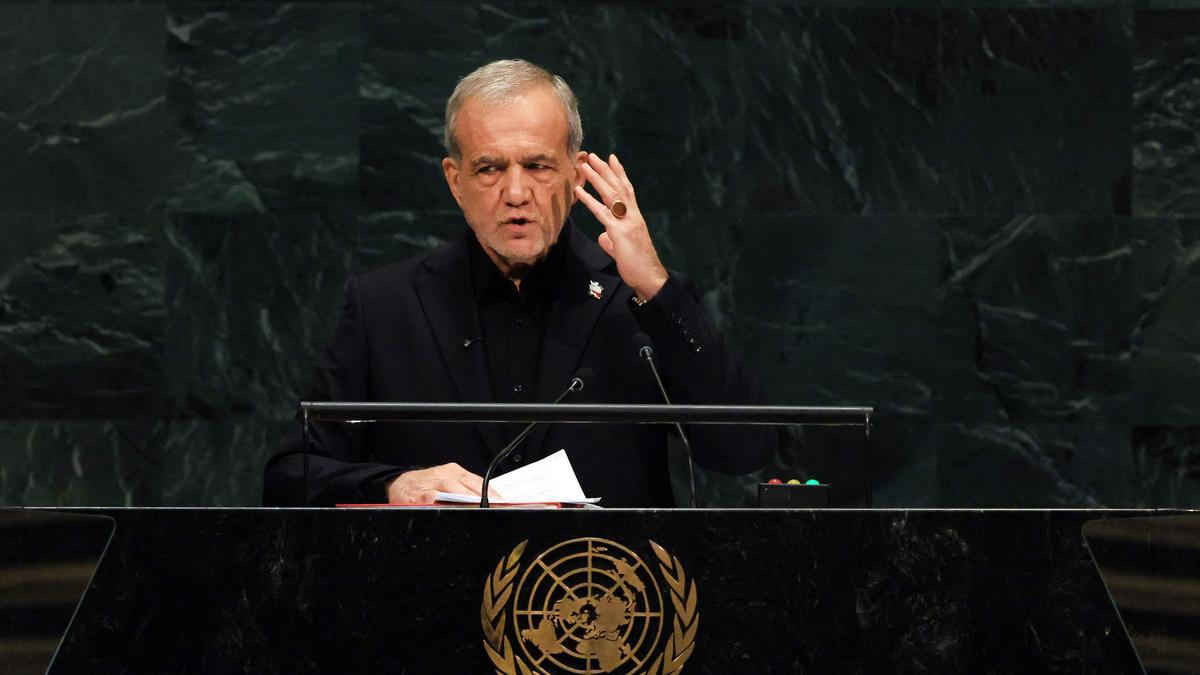
Iran's President Addresses Ongoing Conflict and External Threats
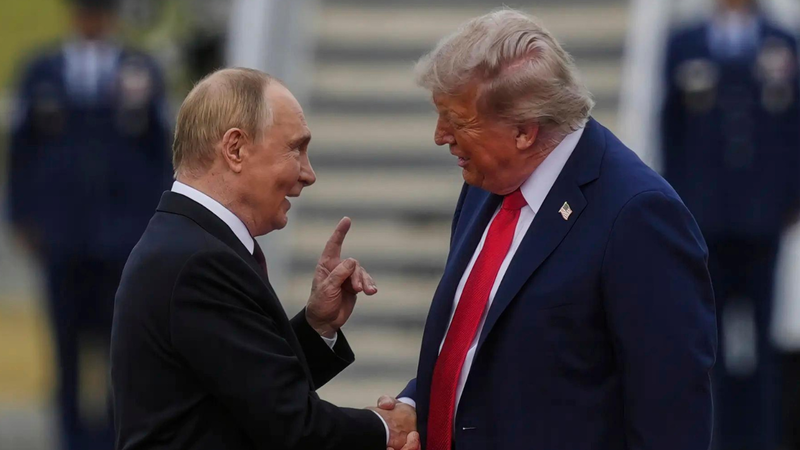
United States Invites Vladimir Putin to Miami G20 Summit